Symptoms and Warning Signs
- No hot water, or water that never reaches a comfortable temperature
- Hot water that runs out far sooner than it used to
- Water temperature swinging between hot and cold during a shower
- Water pooling or a rust ring around the base of the tank
- Popping, rumbling, or crackling from the tank while it heats
- Rusty, cloudy, or discolored water from the hot side of the taps
- A rotten-egg smell in the hot water
- A pilot light or burner that lights and then will not stay lit
- An error code flashing on a tankless unit's display
Common Causes
- Hard-water sediment blanketing the tank bottom and insulating the burner
- Scale building up in a tankless heat exchanger and choking flow
- A burned-out heating element or a drifted thermostat
- A worn thermocouple or a failing gas control valve
- A pilot, igniter, or flame sensor that will not hold a flame
- An anode rod corroded down to the wire
- A temperature-and-pressure relief valve weeping or stuck
- A dip tube breaking down and letting cold water short-circuit to the top
- A tank simply reaching the end of its service life
What to have ready when you contact us
Our Inspection & Diagnostic Process
- 1Confirm the fuel type and inspect the tank or unit, valves, and connections
- 2Test the heating components and controls to find the actual fault
- 3Read and interpret any tankless error code before replacing parts
- 4Check for sediment load, scale, corrosion, and the integrity of the tank itself
- 5Explain plainly whether repair or replacement is the better value
- 6Complete the repair and verify safe, steady heating before we leave
Related service
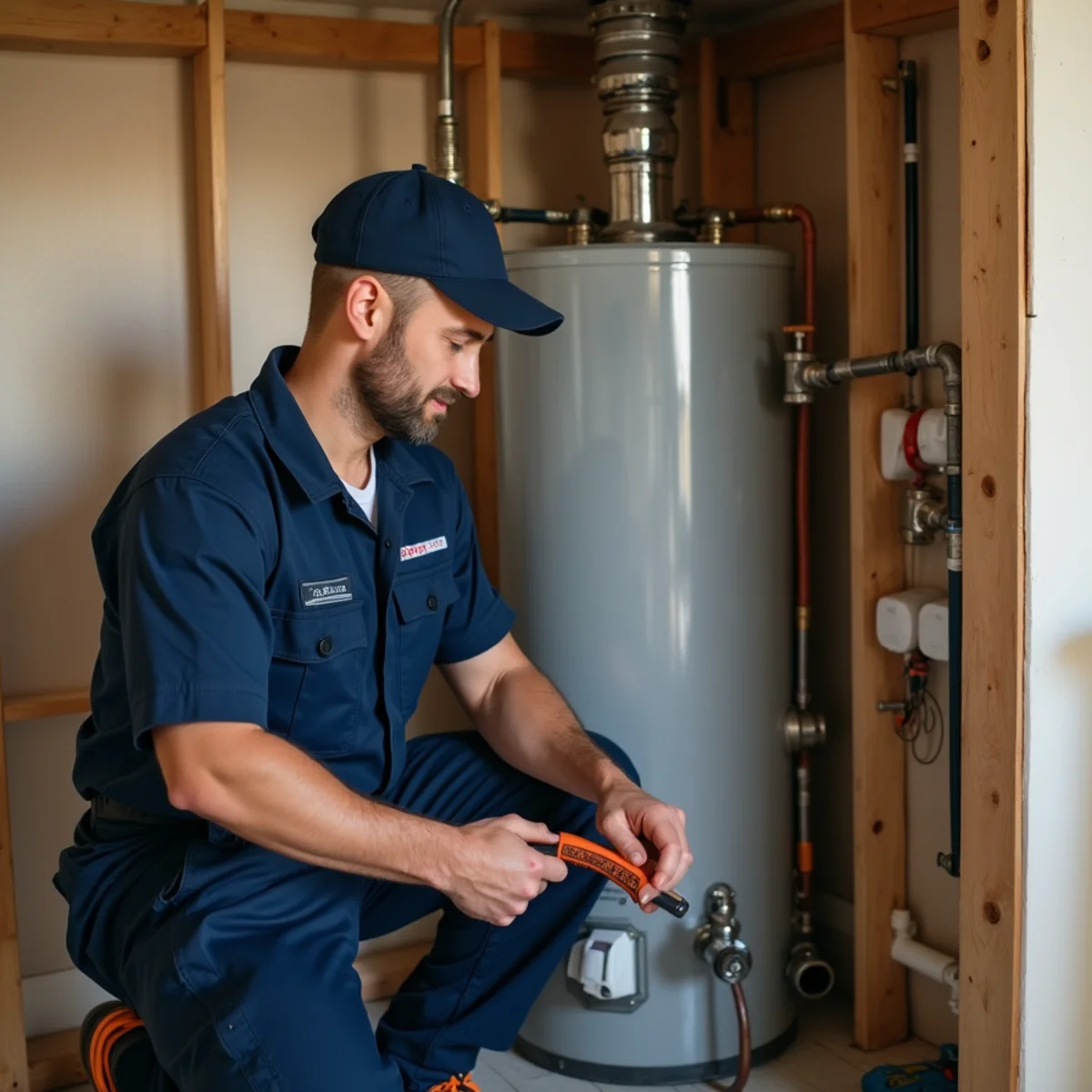
Water Heater Installation in Sacramento
Removal of an aging unit and installation of a right-sized tank or tankless water heater matched to your household's real hot-water demand and installed to code.
Explore this servicePossible Repair & Service Approaches
- Heating element and thermostat replacement on electric units
- Thermocouple, igniter, and gas-valve service on gas units
- Pilot and burner troubleshooting
- Tank flushing to clear packed-in sediment
- Tankless descaling to clear scale from the heat exchanger
- Anode rod and relief valve replacement
- Dip tube and inlet connection repair
- Straight replacement guidance when a tank is failing
Repair or Replace? How to Decide
There is no single right answer — it depends on the unit's age, the problem, and whether the tank itself is leaking.
Repair
Replace
Residential
- Electric and gas tank water heater repair
- Tankless water heater diagnosis and repair
- No-hot-water diagnosis
- Tank flushing and sediment removal
- Relief valve and connection repair
- Pilot, igniter, and burner troubleshooting
Why Professional Help Matters
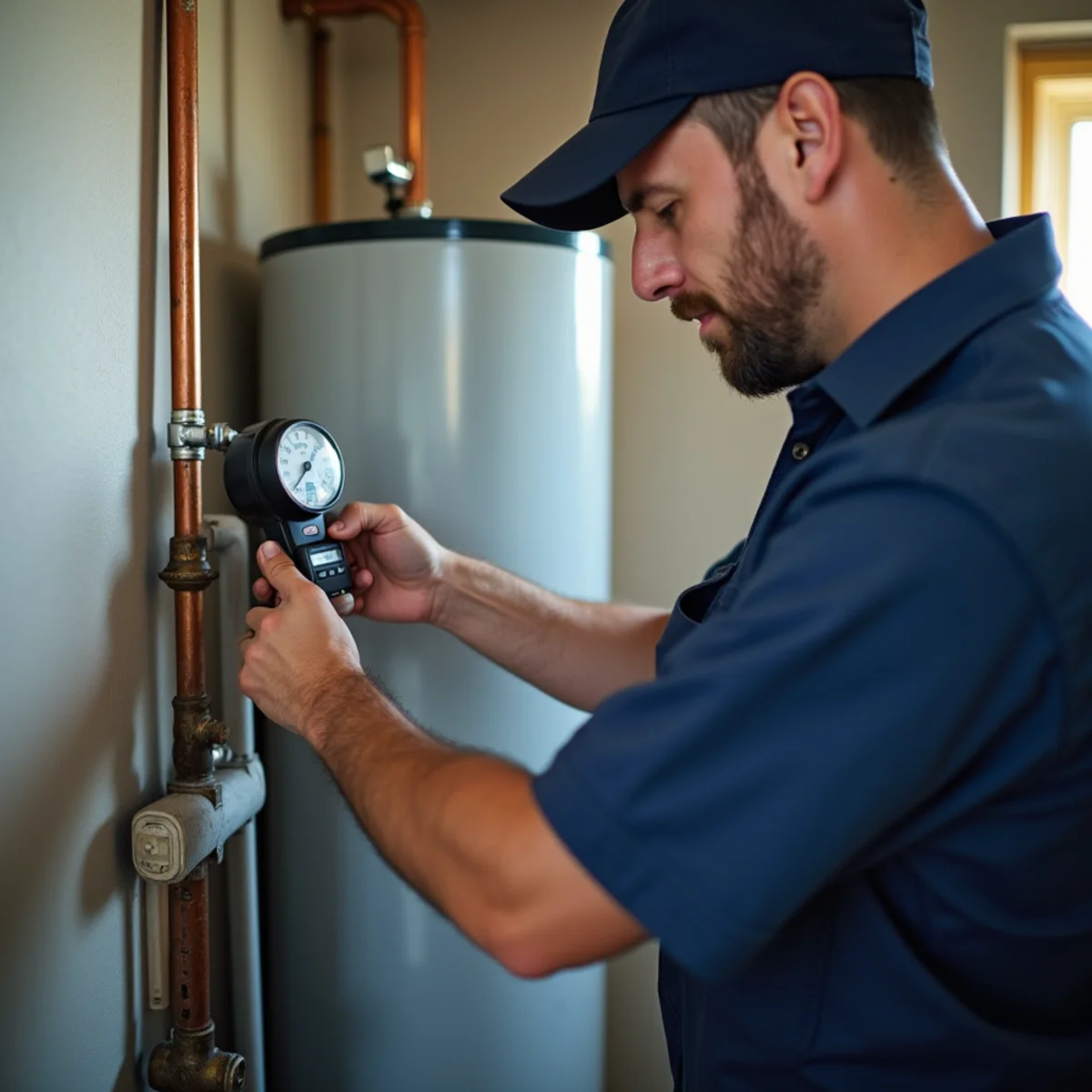
A water heater brings together water, heat, and either gas or high-voltage electricity, so a careless repair carries real risk. A skilled plumbing technician can safely test a gas control valve, a flame sensor, or a 240-volt element, and knows when a tank leaking from the seam is past saving rather than worth another part. That same judgment reads a weeping relief valve or an overheating unit as the safety signal it is, not a nuisance to bypass. Sorting a repairable fault from a failing tank keeps you from paying to nurse along a unit that will quit again in a month, and it leaves gas and electrical work to someone trained for it rather than turning a hot-water problem into a bigger one.
Related service
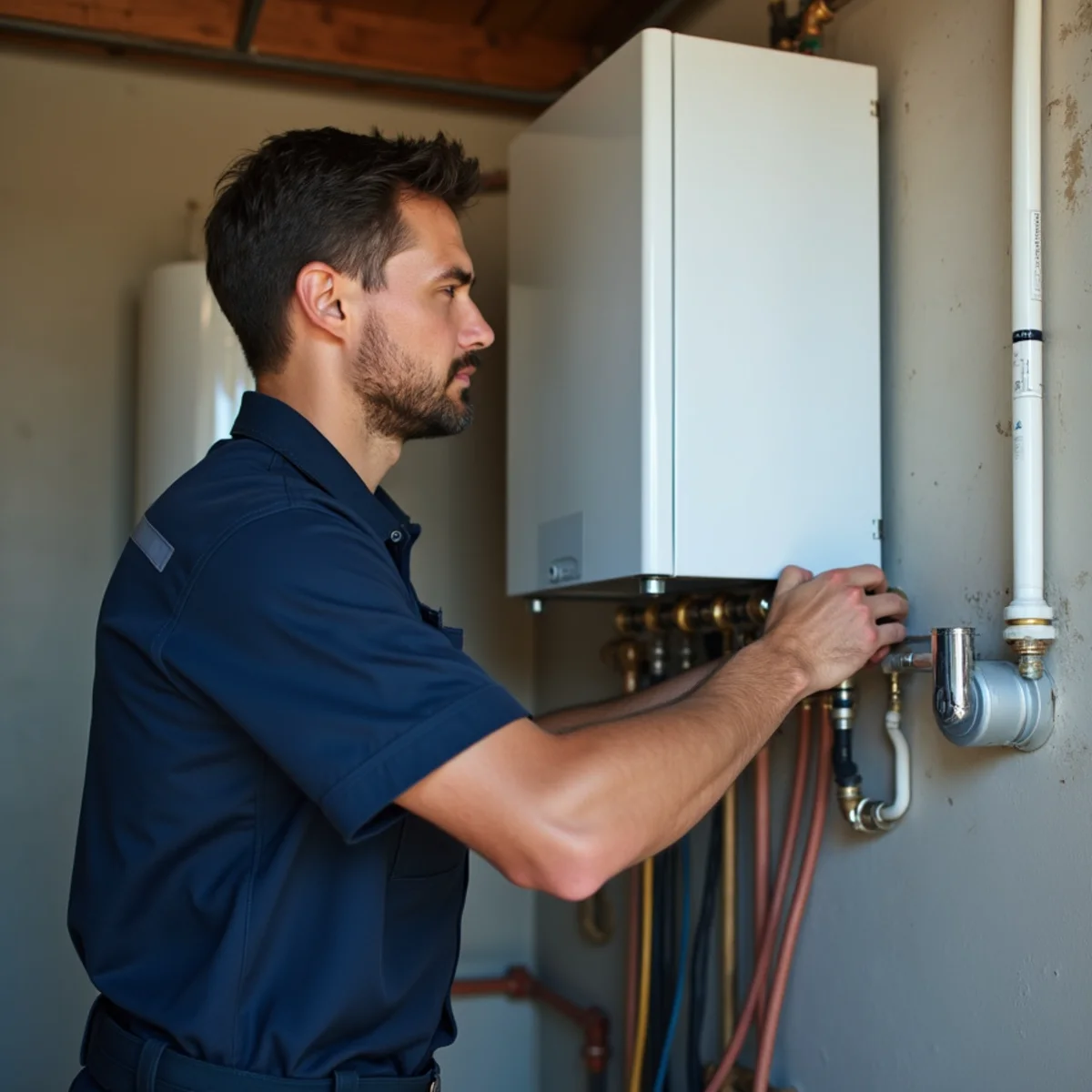
Tankless Water Heaters in Sacramento
Installation, conversion, repair, and descaling of on-demand tankless water heaters that heat water only as you draw it.
Explore this serviceWater Heater Repair in the Sacramento Area
Sacramento's hard water is hard on water heaters, because dissolved minerals settle out as sediment that bakes onto the tank bottom and forces the burner to fire longer for the same hot water. The popping and rumbling so many local homeowners describe is usually that sediment trapping steam, and it is why a periodic flush noticeably extends heater life across this region. The same minerals scale up tankless heat exchangers, which is why tankless units here need descaling on a schedule to hold their output and efficiency. In older central-city homes, an aging heater is often tucked into a tight closet, garage corner, or basement alcove, and reaching the anode rod, relief valve, and connections in those spots is part of a proper repair rather than an afterthought.
Why Choose Bridelyra Plumbers
- Problem-first diagnosis before recommending work
- Clear explanation of the options and next steps
- Respectful service in homes and businesses
- Solutions matched to your actual plumbing system
- Convenient phone and online contact
- 130 customer reviews
Frequently Asked Questions
On a gas tank it is often the pilot, thermocouple, or gas control valve; on an electric tank a burned-out element or a failed thermostat is the usual culprit; on a tankless unit it can be ignition failure, a gas-supply issue, or a flow sensor tripped by scale. We test the components, and read any tankless error code, to find the exact cause instead of guessing and swapping parts.
Not always. A leak at the relief valve, a fitting, a drain valve, or a supply connection can often be repaired. But water seeping from the tank body or the seam itself means it has corroded through, and at that point replacement is the only real fix. Turning off the water and, on a gas unit, the gas supply, then calling for service, is the safe first step when you find water pooling at the base.
Hard-water sediment collects at the bottom of the tank and traps pockets of steam that pop as they break loose. Flushing the tank clears the sediment, quiets the noise, and helps the burner run more efficiently. In Sacramento's hard water, that noise is often the first sign a tank is overdue for a flush.
If the tank is comfortably within its service life, a conventional tank runs roughly eight to twelve years, and the fault is a single part, repair usually makes sense. If it is past that age, corroded, leaking from the body, or failing again and again, replacement is typically the better value. We weigh the repair cost against the unit's age and condition and give an upfront service recommendation either way.
It depends on the fault and the unit. Replacing a thermocouple, element, thermostat, or relief valve sits at the lower end, while a gas control valve, a tankless heat-exchanger issue, or a full descale runs higher. A flush is modest maintenance. Once a skilled plumbing technician confirms the actual fault, you get an upfront price rather than a guess, along with the repair-or-replace trade-off.
Yes. Tankless units avoid tank corrosion but are sensitive to scale, which Sacramento's hard water produces readily. Scale in the heat exchanger shows up as reduced output, temperature swings, or an error code, and periodic descaling clears it. We diagnose tankless faults by the error code and the unit's behavior rather than replacing parts blindly.
A rotten-egg odor often points to a reaction between the anode rod and bacteria in the tank, while rusty or discolored hot water can mean the anode is spent or the tank is corroding inside. Replacing the anode rod addresses many of these cases; persistent rust from the tank body can signal the tank is nearing the end of its life. Testing tells us which.
In a hard-water area like Sacramento, yes. A periodic flush clears the sediment that shortens tank life, drags down heating efficiency, and drives the popping noise, which makes it worthwhile maintenance rather than an optional extra. On tankless units, the equivalent is a periodic descale of the heat exchanger.