Safety note
Draining a water heater involves scalding water and, on gas units, a burner and gas line. Take care with the hot water and do not attempt to adjust gas components yourself.
What You Are Actually Hearing
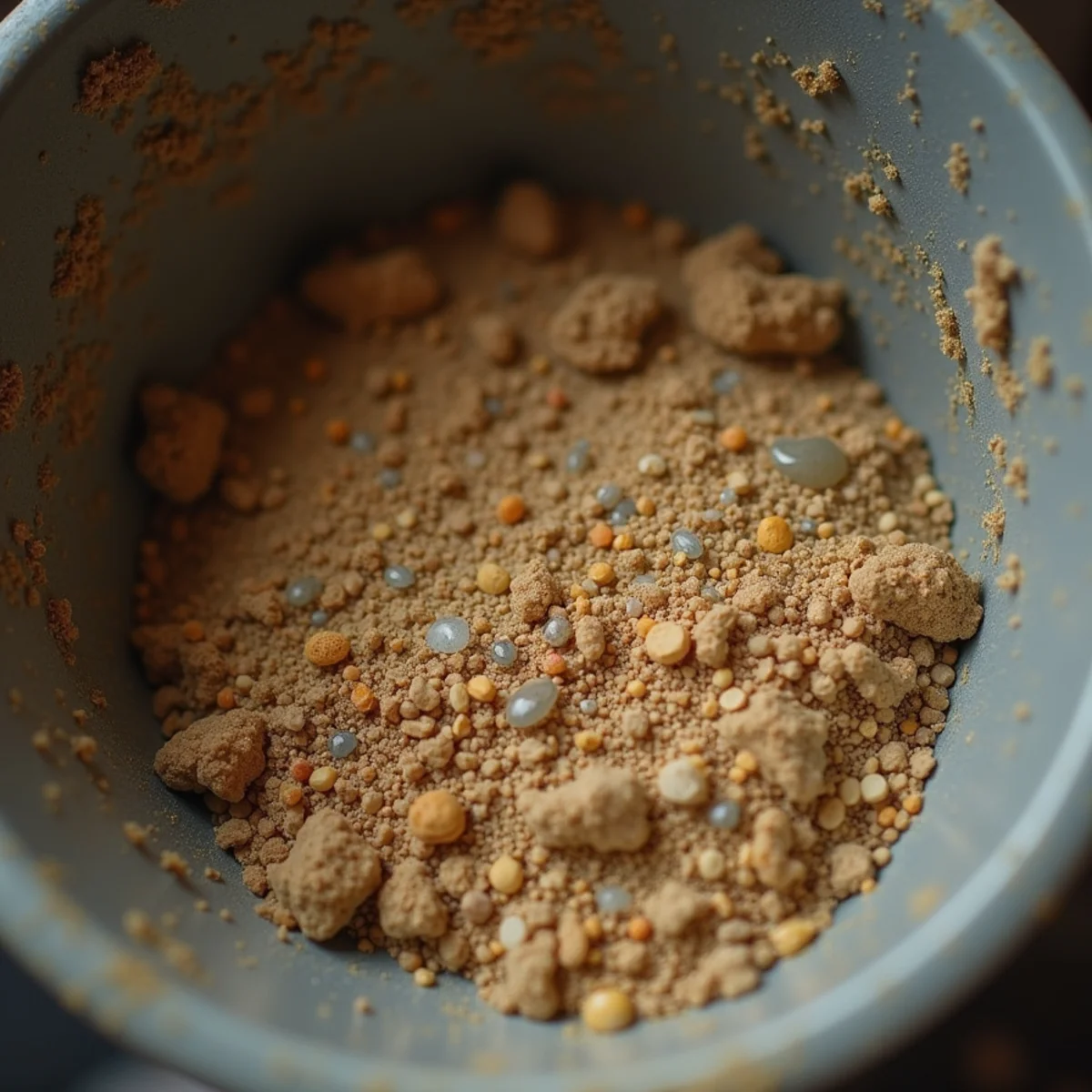
Every time the tank fills, the water brings dissolved minerals with it, and over months those minerals settle to the bottom as a gritty layer of sediment. On a gas unit the burner sits directly under that layer; on an electric unit the lower heating element runs right through it. When the heat comes on, it warms the pockets of water trapped beneath and inside the sediment, and that water boils and forces its way up through the deposits.
The popping and rumbling is the sound of that steam escaping and the sediment shifting as it does. In plain terms, you are listening to water percolating up through a crust of hardened minerals, a little like a kettle laboring under a lid of scale.
Popping, Rumbling, or Something Else?
Sediment is behind the classic popping and rumbling, but a water heater can make a few other sounds, and telling them apart helps you know how urgent the issue is. A steady rumble or knock as the tank heats is the sediment signature. A ticking or tapping is often just the pipes and fittings expanding and contracting with temperature, usually harmless. A hissing or sizzling can point to condensation or moisture reaching a hot surface and is worth a closer look.
A high-pitched screech is frequently a restricted valve rather than the tank itself. None of these should be ignored outright, but the popping and rumbling tied to heating cycles is the one that specifically signals a sediment layer worth addressing.
- Popping or rumbling on heat-up: sediment on the tank bottom
- Ticking or tapping: pipes flexing with temperature, usually minor
- Hissing or sizzling: possible condensation or moisture on a hot surface
- Screeching: often a partly closed or restricted valve
Why It Is Worse in Sacramento
Sacramento runs on hard water, which simply means it carries a heavier load of dissolved minerals. More minerals going in means sediment piling up faster on the tank bottom, so heaters here tend to find their voice years earlier than the same unit would in a soft-water city.
If your heater has gone a long stretch without a flush, that layer can be genuinely thick, and the volume of the popping is a fair rough gauge of how much has collected down there. It is a big part of why regular maintenance matters more in this region than the equipment labels suggest.
- Hard water lays down minerals faster
- Sediment builds thicker the longer flushing is skipped
- Older, never-flushed tanks are usually the loudest

Related service
Plumbing Maintenance in Sacramento
Routine, preventive service that keeps drains flowing, fixtures sound, and hard-water wear in check so small problems never grow into emergencies.
Explore this serviceWhy the Noise Is More Than a Nuisance
That sediment layer does not just make noise, it wastes energy. Sitting between the burner and the water, it works as insulation, so the heater has to burn longer and harder to bring the tank up to temperature. Your gas or electric bill quietly absorbs the difference, and the tank recovers more slowly, which is often why hot water seems to run short sooner than it used to.
The strain adds up over time. Trapped heat under the sediment creates hot spots on the tank steel that accelerate corrosion, shortening the unit's life. So the racket is really the heater warning you it is working harder than it should have to, and wearing itself down faster in the process.
Will Flushing Quiet It?
Flushing drains the loose sediment out of the tank and can genuinely quiet a heater that has not been neglected for too long. On a unit that has gone many years without maintenance, though, some of the deposits have hardened into a crust that will not fully wash out, and a degree of noise can linger even after a thorough flush.
The real value of flushing is prevention. Doing it on a schedule keeps sediment from ever building into a thick layer, which is far easier than trying to break loose an established one after the fact. Because a flush involves draining scalding water and, on gas units, setting the controls correctly first, it is a job to approach carefully or leave to a professional rather than rushing.
Related service
Water Softener Services in Sacramento
Installation, repair, and service of water softeners that tame hard water and its mineral buildup.
Explore this serviceKeeping Sediment From Coming Back
Once a heater is quiet again, a little routine keeps it that way. Flushing on a regular schedule is the core of it, since staying ahead of the buildup is far simpler than fighting a hardened layer later. A healthy anode rod, the sacrificial metal rod that draws corrosion to itself instead of the tank, also plays a part in how long the unit lasts and is worth checking during service.
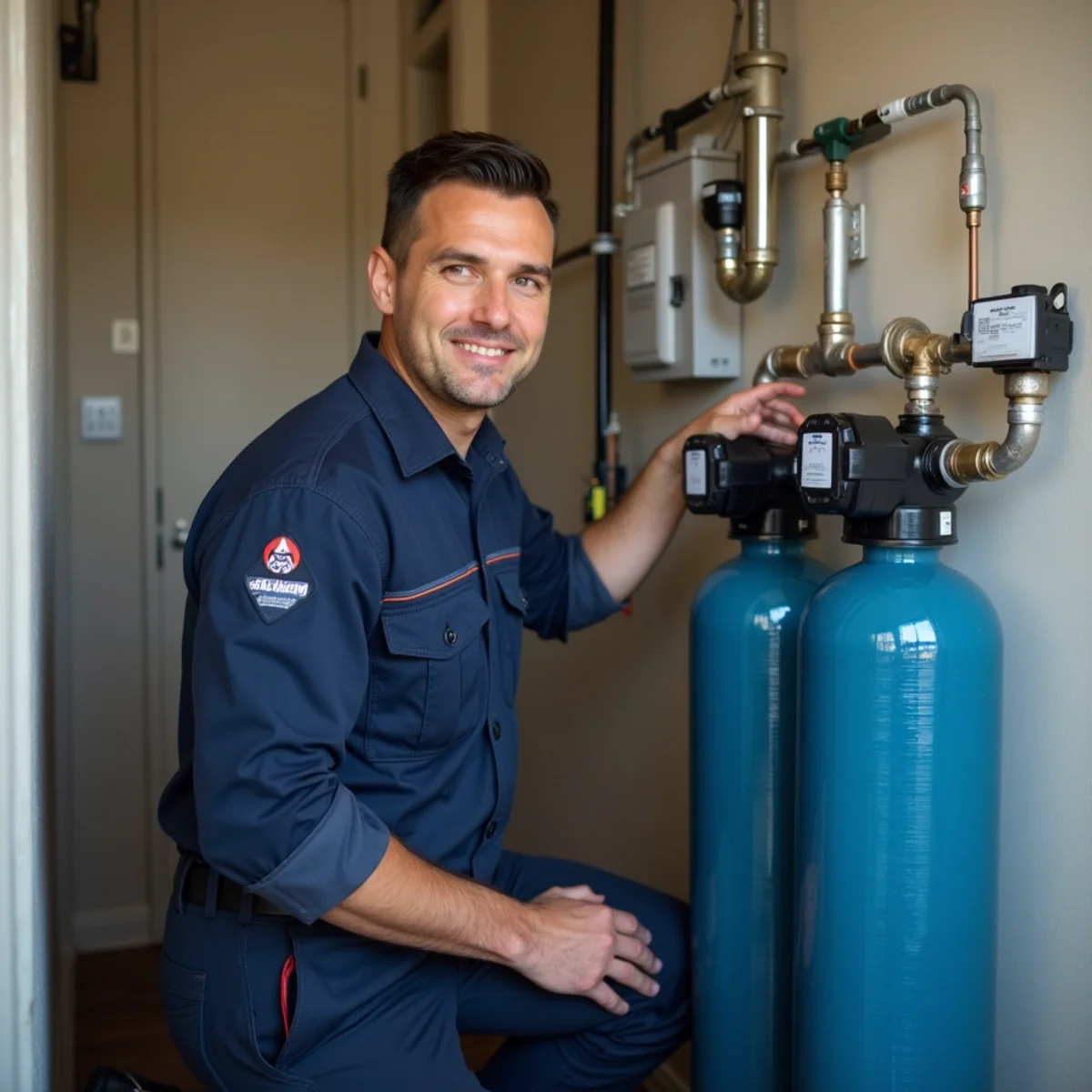
For homes on hard water, a water softener reduces the mineral load reaching the tank in the first place, which slows sediment across the whole system, not just the water heater. Pairing softened water with periodic flushing is about the most effective way to keep a tank running quietly and efficiently in this region.
- Flush on a regular schedule to prevent buildup
- Have the anode rod checked during routine service
- Consider a water softener to cut the incoming mineral load
When to Have It Serviced
If a flush does not settle the unit down, or the popping arrives alongside shrinking hot-water supply, rusty discoloration, or a heater that is already up in years, it is worth a professional look to gauge how deep the sediment runs and what shape the tank is in. Persistent noise on an older, heavily built-up tank sometimes means the sediment has done lasting damage, and an inspection tells you whether you are maintaining a sound heater or nursing one toward replacement.
To have a noisy water heater inspected or flushed, contact Bridelyra Plumbers at +1 (207) 419-2600.
Frequently Asked Questions
The sound itself is usually not an immediate hazard, but it flags sediment that is dragging down efficiency and stressing the tank. Dealing with it protects the unit's lifespan and keeps your energy costs from creeping up, so it is worth addressing rather than tuning out.
Not always. Flushing clears loose sediment and often quiets a moderately affected unit, but hardened, long-established deposits in a neglected tank may not fully release, and some noise can remain afterward. When that happens, it is worth having the tank assessed.
In hard-water areas like Sacramento, flushing roughly once a year keeps sediment from accumulating into a problem, and some homes on especially hard water benefit from doing it more often. Staying ahead of it is far less trouble than removing a thick, cemented layer later.
The popping itself is a sediment symptom, not an imminent failure, but on an older tank it can accompany the corrosion and efficiency loss that lead toward replacement. If the noise comes with rusty water or a shrinking hot-water supply, have the unit inspected to gauge its condition.
Bridelyra Plumbers Editorial Team
Reviewed for practical accuracy by our plumbing team
Published October 13, 2025 · Updated February 17, 2026