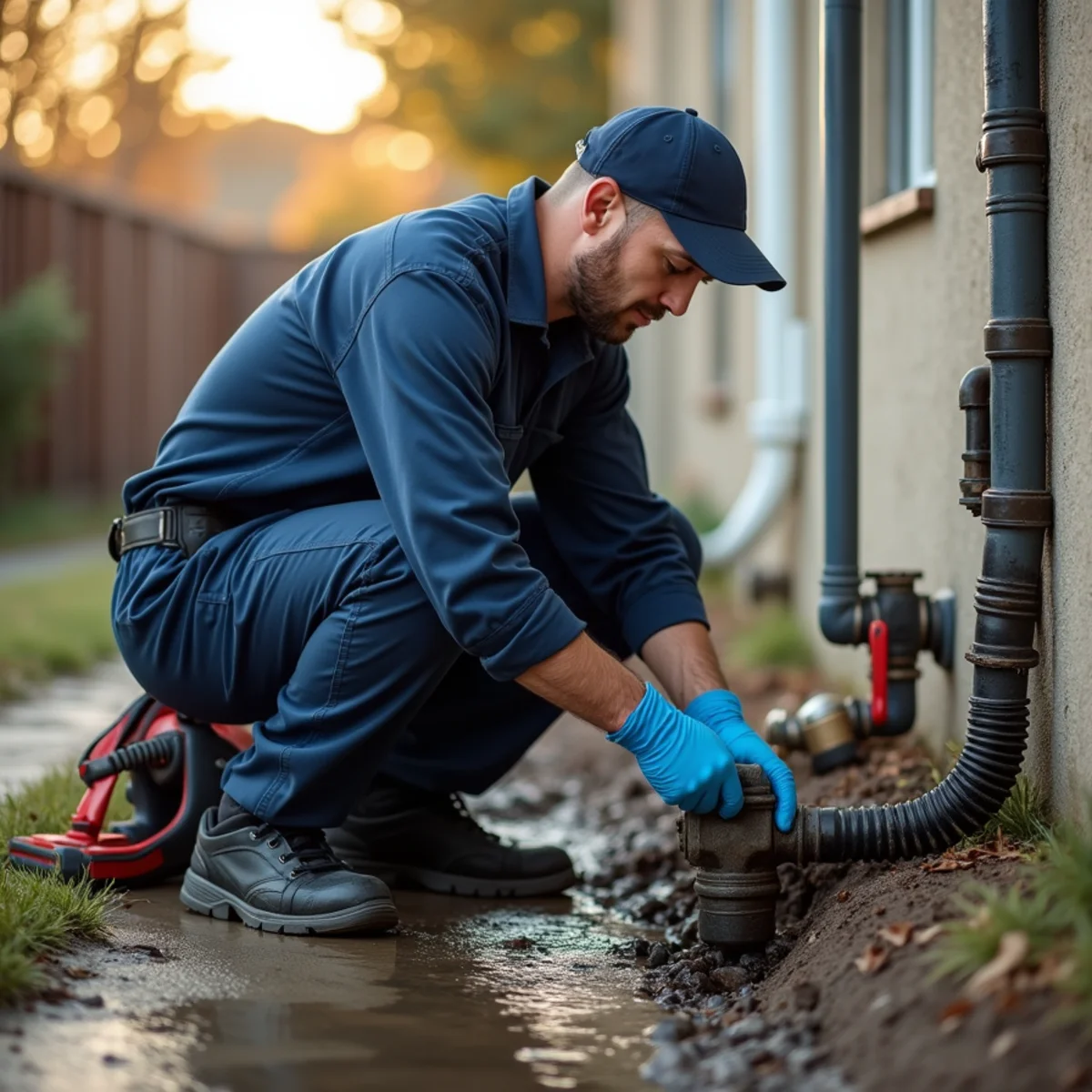
Symptoms and Warning Signs
- Several drains backing up together rather than one at a time
- Sewage odor drifting across the yard or from the lowest floor drains
- Toilets bubbling or gurgling when a tub drains or the washer runs
- Wastewater rising into a shower or tub when the toilet is flushed
- A soggy stripe or an unusually green, lush patch tracing the sewer path
- A dip, sinkhole, or settling in the lawn or driveway above the line
- Main-line clogs that return soon after a routine clearing
- Sluggish drainage showing up throughout the entire house
- Repeated need to plunge or snake the lowest toilet in the home
Common Causes
- Tree roots working into joints beneath Sacramento's older tree-lined streets
- Cracked or collapsed clay and cast-iron laterals under mid-century homes
- Corrosion eating through aging metal pipe from the inside
- Offset or pulled-apart joints from decades of ground movement and expansive clay soil
- Bellied sections that pond waste and trap debris
- Grease and mineral scale steadily narrowing the line over the years
- Old repairs or transitions between mismatched pipe materials that leak or snag
- Ground settlement and shifting around a line laid generations ago
What to have ready when you contact us
Our Inspection & Diagnostic Process
- 1Run a camera down the line to locate and grade the damage
- 2Clear roots or debris enough to read the true pipe condition
- 3Identify the failure type and pinpoint its position and depth along the run
- 4Locate the line from the surface so digging, if needed, is precise
- 5Present repair options, from a spot fix to trenchless rehabilitation, with an upfront recommendation
- 6Complete the repair and verify flow and alignment with a follow-up camera pass

Related service
Sewer Camera Inspection in Sacramento
A recorded video look inside the sewer lateral to pinpoint root intrusion, cracks, offset joints, bellies, blockages, and true pipe condition.
Explore this servicePossible Repair & Service Approaches
- Spot repair for a single damaged or root-invaded section
- Root removal and thorough line clearing before repair
- Trenchless cured-in-place lining where the host pipe can support it
- Pipe bursting to pull a new line through the path of the old one
- Joint, coupling, and transition repair on accessible runs
- Open-trench excavation and replacement for collapsed or badly bellied sections
- Full replacement when the damage runs the length of the line
Trenchless vs. Traditional Sewer Repair
Trenchless methods reduce digging, but they are only appropriate when the existing pipe can support them.
Traditional
Trenchless
Residential
- Single-family sewer lateral repair
- Root intrusion removal and repair
- Cracked, offset, and collapsed joint repair
- Bellied and sagging line correction
- Recurring backup diagnosis
- Camera-verified repairs
Commercial
- Restaurant and retail lateral repair
- Multi-tenant sewer line service
- Grease-loaded line rehabilitation
- Property-manager coordinated repairs
Why Professional Help Matters
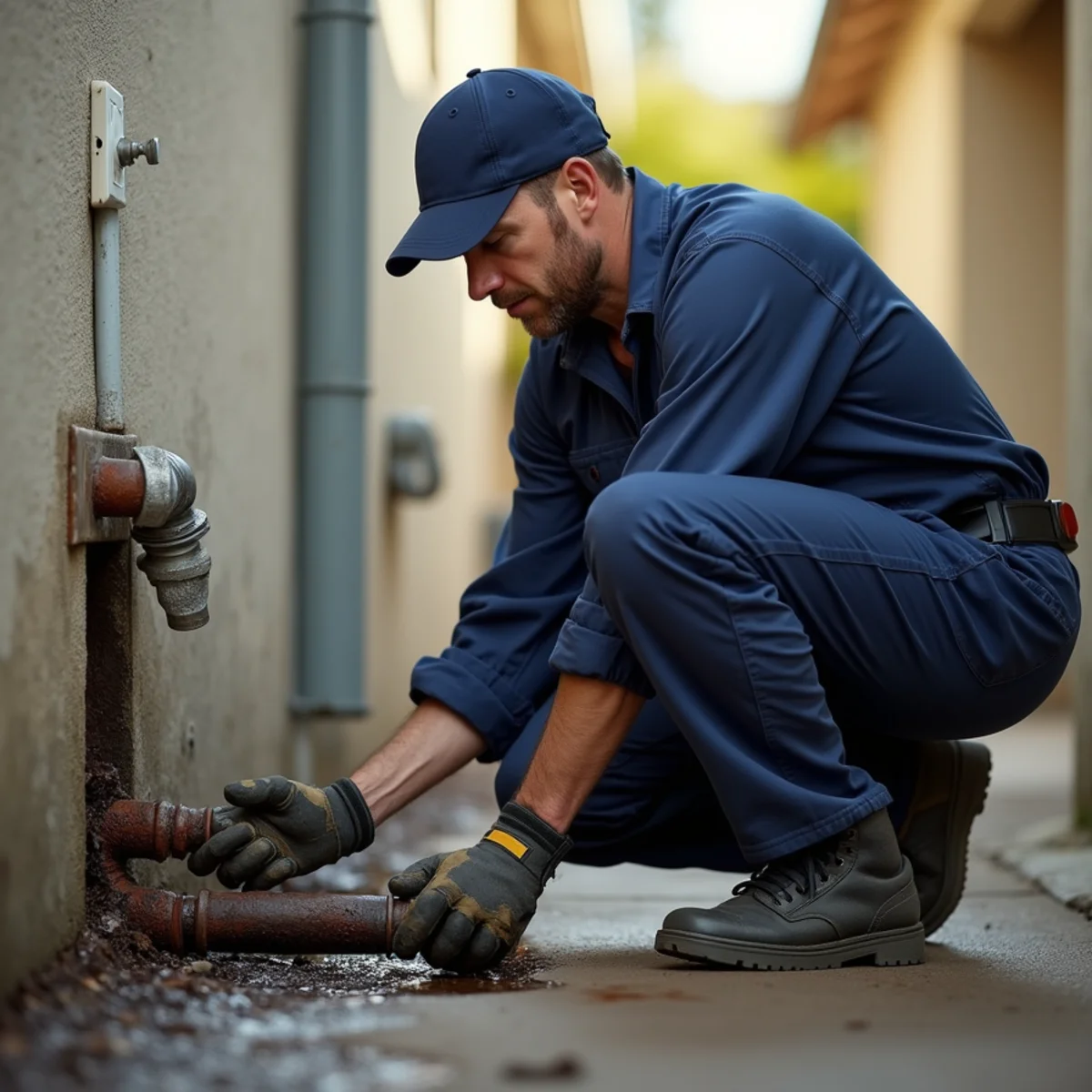
Sewer repairs are costly to get wrong because the line is buried and the damage is invisible from the surface. A camera inspection tells a skilled plumbing technician whether one joint needs a spot repair or the whole run needs lining, which avoids both under-repairing a failing line and tearing up more yard than necessary. Guessing the location or the failure type can mean an unnecessary excavation, a patched section that leaves the real fault untouched, or a repair on a pipe too deteriorated to hold it. That diagnosis-first approach protects your landscaping, your budget, and your next several weekends, and it gives you a clear picture to weigh the options against rather than a decision made blind. Excavation and pipe work near a live sewer also call for proper assessment before anyone breaks ground, which is exactly what the inspection provides.
Related service
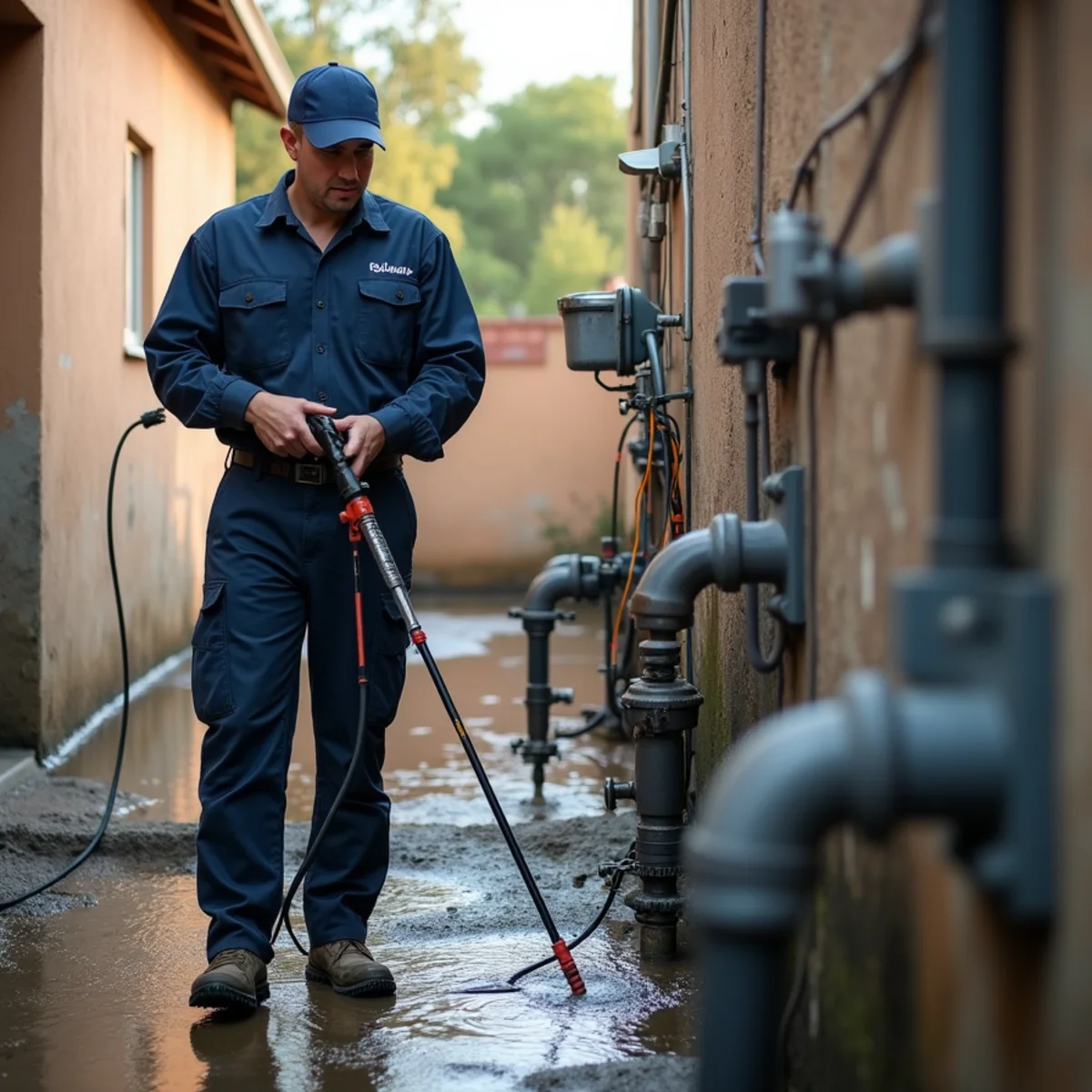
Hydro Jetting in Sacramento
High-pressure water cleaning that scours grease, hard-water scale, root hairs, and packed sludge off the full inside wall of a drain or sewer line.
Explore this serviceSewer Line Repair in the Sacramento Area
Sacramento's established neighborhoods pair broad shade trees with clay and cast-iron laterals laid generations ago, and that combination makes root intrusion one of the most common sewer failures in the city. The region's expansive clay soils swell and shrink with the wet and dry seasons, which works joints loose and lets bellies form in lines that were once laid true. Central-city lots in areas like Midtown, East Sacramento, and Land Park often pair tight side yards with mature landscaping and hardscape, which makes trenchless options especially appealing, since lining or bursting a line limits how much lawn, patio, or driveway has to be opened up. Where a line has collapsed or sagged too far, a targeted excavation is sometimes the sounder answer, and the camera is what tells us which situation you actually have.
Why Choose Bridelyra Plumbers
- Problem-first diagnosis before recommending work
- Clear explanation of the options and next steps
- Respectful service in homes and businesses
- Solutions matched to your actual plumbing system
- Convenient phone and online contact
- 130 customer reviews
Frequently Asked Questions
When several fixtures back up together, toilets gurgle as other drains run, wastewater rises into a low tub or shower, and you notice sewer odor or soggy ground along the pipe path, the lateral is the prime suspect. A single slow fixture is usually a local clog; whole-house symptoms point to the main. A camera inspection confirms which before anyone commits to a repair.
Yes. Roots chase the moisture and nutrients a sewer carries and slip in through hairline joint gaps, then thicken and crack the pipe as they grow. In Sacramento's tree-lined neighborhoods with older clay laterals, this is one of the leading causes of lateral damage we find on camera. Clearing the roots relieves the backup, but the opening they came through still needs repair or lining to keep them out.
Often, yes. Trenchless methods rehabilitate a line through one or two small access points: cured-in-place lining forms a new pipe inside the old one, while pipe bursting pulls a new pipe through the old path. Whether either fits depends on the pipe's condition and layout, which is exactly what the camera inspection shows us before we recommend a method. A collapsed or severely bellied line sometimes still needs a dig.
A repair addresses a defined problem, such as one cracked section, a root-invaded joint, or a short damaged run. A replacement, whether by open trench or pipe bursting, puts in a whole new line and makes sense when the pipe is failing in several places or broadly deteriorated. Lining sits in between, rehabilitating a structurally sound but leaking or root-prone line from the inside. The camera makes the call clear.
Cost tracks the failure type, the length and depth of the affected run, the pipe material, and whether the fix is a spot repair, trenchless lining, pipe bursting, or an open-trench replacement. A single-section spot repair sits at the low end, while lining or replacing a full run is a larger project. Because so much depends on what the camera finds, a skilled plumbing technician gives an upfront service recommendation and estimate after the inspection rather than before it.
If the damage is isolated to one section, a spot repair is efficient and keeps costs down. If the line is failing in several places, broadly corroded, or repeatedly root-invaded, replacing or lining the full run is the more durable answer. Paying for a spot repair on a line that is failing everywhere just moves the next backup a few feet down the pipe, which is why the camera assessment comes first.
A trenchless lining or a focused spot repair can often be completed in a day, while a full open-trench replacement runs longer depending on depth, length, and site access. Diagnosis, locating the line, and any permitting affect the timeline too. We walk you through the expected scope once the inspection shows what the line needs.
Yes. We check flow and re-run the camera after the repair, so you can see for yourself that the line is clear, aligned, and sound rather than taking it on faith.