How the Inspection Works
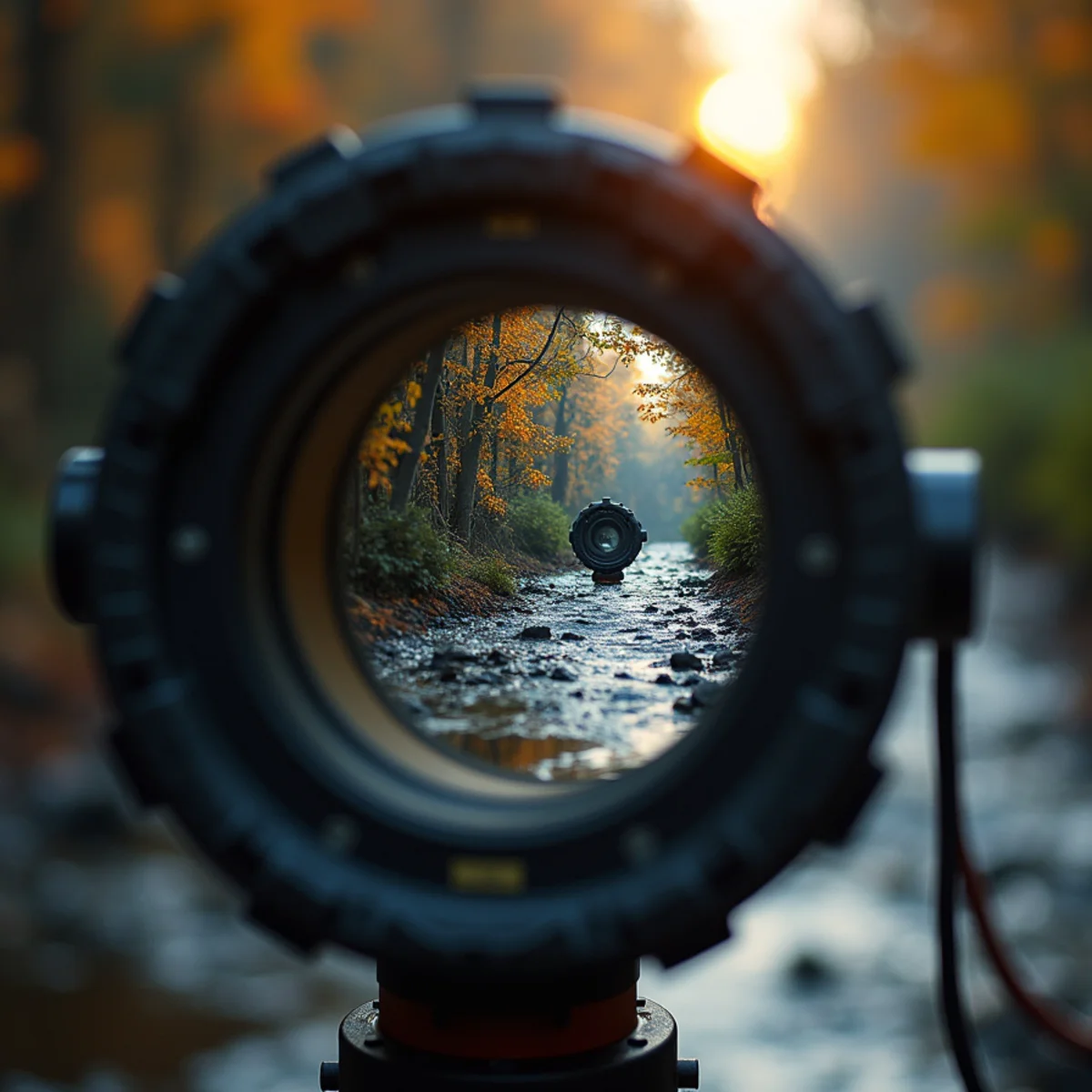
A compact, high-resolution camera mounted on a flexible push rod is fed into the line through a cleanout or other access point. Bright LED lights on the camera head light the pipe ahead, and as the rod snakes through, it streams live video back to a monitor the plumber watches in real time. Higher-end heads pan and tilt to look at a joint or crack from more than one angle.
A transmitter in the camera head lets a locator track its exact depth and position from the surface. So the plumber does not just see the problem on screen, they can mark the spot in your yard directly above it, often within inches. That is what makes a targeted repair possible instead of digging blind along the whole run of the line.
What a Camera Uncovers
A camera exposes the full range of things that go wrong inside a sewer. Root intrusion, cracks and breaks, a fully collapsed section, a belly where the pipe sags and holds standing water, layers of grease and mineral scale, corrosion in cast-iron lines, foreign objects, and joints that have separated or shifted out of line all read clearly on the screen. It can also confirm the pipe material and rough age, and locate the connection to the city main.
Seeing the real cause is what prevents the wrong fix. A line that keeps clogging could be fighting roots, a grease-caked wall, a belly holding water, or a partial collapse, and each of those demands a different response. Guessing wrong means paying for a cleaning when the pipe needed a repair, or the reverse.
- Root intrusion and the exact point roots entered
- Cracks, breaks, and fully collapsed sections
- Bellies or sags where the pipe holds standing water
- Grease, mineral scale, and corrosion buildup
- Separated, offset, or misaligned joints
- Foreign objects and the pipe's material and connection point
What a Camera Cannot Show
A camera is a powerful tool, but it is not X-ray vision, and it helps to know its limits so the results are read honestly. It shows the inside surface of the pipe, so a pinhole or hairline crack that is not actively leaking at the moment of inspection can be missed, and a leak into the surrounding soil is not something the lens can see through the pipe wall. Confirming that kind of small or intermittent leak sometimes calls for a separate pressure or dye test.
Heavy standing water, thick grease, or a line packed with debris can also cloud the view, which is why a badly clogged line is often cleared first and then re-inspected on clean pipe. And a camera reveals condition, not cause and cure by itself: reading the footage correctly and translating it into the right repair is where an experienced plumber matters as much as the equipment.
Related service
Sewer Line Repair in Sacramento
Camera-guided repair for damaged, blocked, or root-invaded sewer laterals that carry waste away from a Sacramento home.
Explore this serviceWhat the Process Looks Like
A typical inspection is quick and non-destructive. The plumber locates a cleanout or suitable access point, feeds the camera through, and walks the length of the line while narrating what shows up on the monitor. Most inspections run somewhere in the range of half an hour to an hour, longer if the line has no easy cleanout or has to be cleared of a clog first.
You should come away with more than a verbal summary. Ask for the recorded video and a written report noting what was found and where, measured as distance down the line. If the pipe needs work, that footage becomes the shared reference for deciding between cleaning, a spot repair, or relining, and it is worth keeping for your records or for a future buyer.
- Camera enters through a cleanout or access point
- Plumber walks the full line and narrates findings live
- Usually about 30 to 60 minutes for an accessible line
- Ask for the video recording and a written report
When It Is Worth Scheduling
An inspection pays for itself in a few clear situations: backups that return no matter how many times the line is cleared, slow or gurgling drains across several fixtures at once, and any older property still running on its original clay or cast-iron line. Sewage odors, unexplained soggy patches in the yard, or a sudden lush stripe of lawn over the sewer path are all worth a look too.
It is also the sensible first move before any major sewer decision. Before you spend on cleaning, repair, or replacement, the camera confirms which one the pipe actually calls for, and it verifies whether a line is sound enough to take hydro jetting before that pressure is applied.
- Repeat backups that keep returning after clearing
- Several drains gurgling or draining slowly at once
- An older home on original clay or cast-iron pipe
- Yard signs: soggy spots, sinking ground, a lush stripe of lawn
- Before jetting, or before any major sewer repair decision
Getting One Before You Buy a Home
A sewer camera inspection is one of the most valuable checks a buyer can run, and it is easy to overlook because the standard home inspection usually stops at what can be seen without special equipment. The sewer line is invisible from inside the house, it is the buyer's responsibility once the sale closes, and replacing one can be among the most expensive repairs a home can need.
An inspection before closing can surface roots, cracks, a belly, or a line near the end of its life while it is still the seller's problem, giving you room to negotiate a repair or a price adjustment rather than inheriting an emergency a month after moving in. For an older Sacramento home under mature trees, it is money well spent for peace of mind about the one part of the plumbing you cannot otherwise see.
Related service
Plumbing Inspection in Sacramento
A methodical, whole-home evaluation of your plumbing system that finds hidden problems and ranks them before they turn into expensive emergencies.
Explore this serviceWhy It Matters More Here
In established Sacramento neighborhoods, sewer lines are frequently pushing fifty years or more and share the soil with the roots of large, thirsty street trees. Add clay soil that swells and shrinks with the seasons and works pipe joints loose, and hidden defects become common. A camera is the most direct way to learn what a line is really up against without disturbing the yard.
That combination of aging pipe, active roots, and shifting ground is exactly why so many drain and sewer problems in the city trace back to the buried line rather than anything inside the house. Looking before you dig, or before you buy, keeps a manageable issue from becoming an excavation.
From Footage to a Plan
The real value of an inspection is clarity. Instead of a vague hunch that something is off, you come away with a recorded view of the pipe and a recommendation matched to exactly what showed up on screen, whether that is a routine cleaning, a targeted spot repair, or a trenchless reline of a failing section.
To schedule a sewer camera inspection and get a clear picture of your line's condition, contact Bridelyra Plumbers at +1 (207) 419-2600.
Frequently Asked Questions
It is one of the smartest checks you can run. A standard home inspection rarely scopes the sewer, yet the line is invisible from inside the house and becomes your responsibility at closing. An inspection can reveal roots, cracks, a belly, or a failing line before you buy, giving you room to negotiate rather than inheriting an expensive surprise after the keys change hands.
Yes. A locator follows the camera's position and depth from the surface, so the plumber can mark the precise spot of a blockage or break in your yard, often within inches. That accuracy keeps any repair tightly focused on the affected section instead of trenching along the whole line.
It can find the kinds of defects that cause leaks, such as cracks, breaks, offset joints, and collapsed sections. What it cannot do is see water escaping into the soil through the pipe wall, so a pinhole or hairline crack that is not actively leaking during the inspection may be missed. Confirming that kind of small or intermittent leak can call for a separate pressure or dye test.
Most inspections on an accessible line run about 30 to 60 minutes. It takes longer if the home has no convenient cleanout, if the camera has to reach a long or deep line, or if the pipe is clogged and needs to be cleared first so the lens has a clear view. You should receive a video recording and a written report afterward.
Bridelyra Plumbers Editorial Team
Reviewed for practical accuracy by our plumbing team
Published February 16, 2026 · Updated June 10, 2026