Safety note
A sewer backup can expose you to contaminated water. Avoid direct contact with any wastewater in the home or yard, do not enter or reach into the sewer line, and leave clearing, inspection, and repair of the line itself to a professional.
Why Roots Find the Pipe
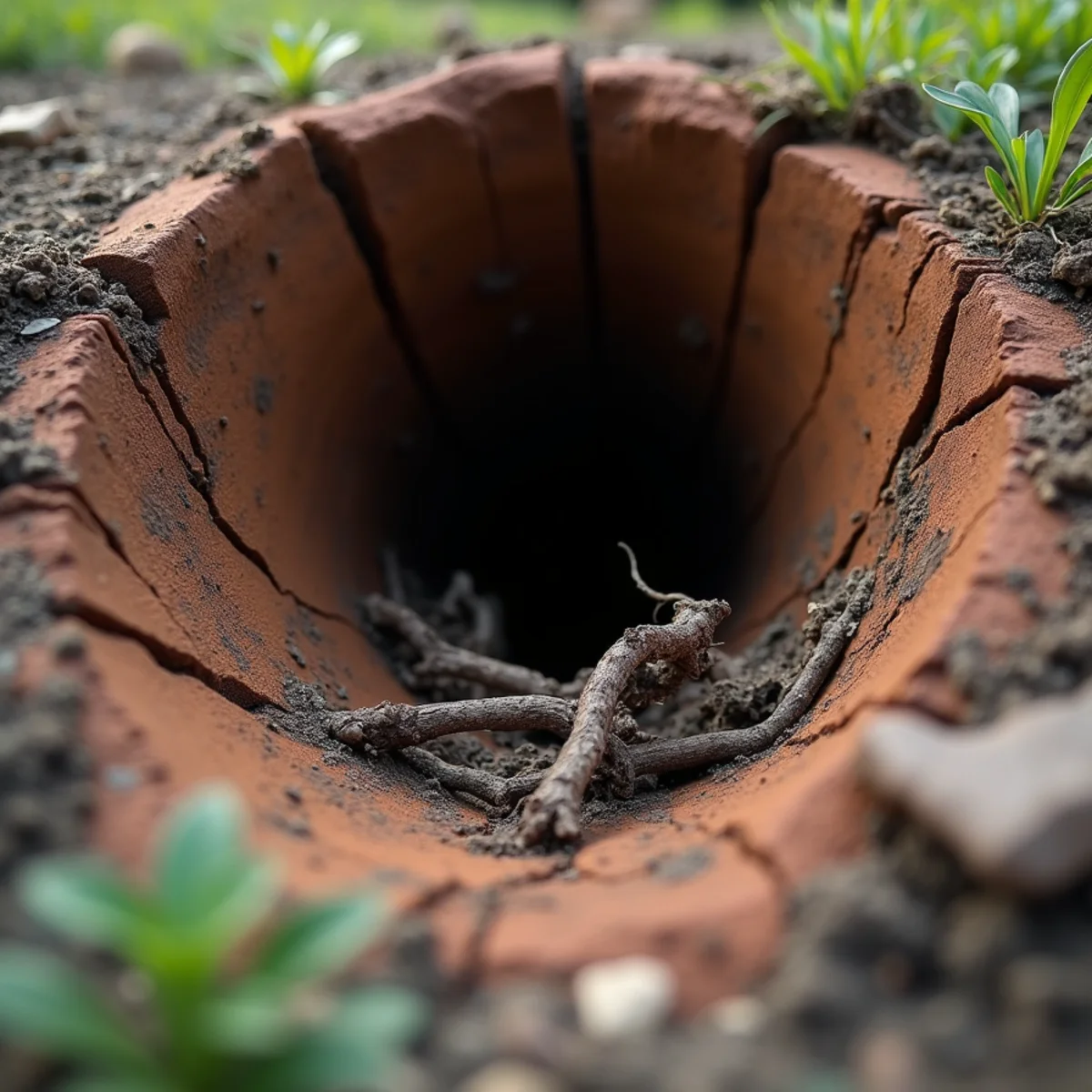
Roots chase moisture and nutrients, and a sewer line delivers a steady supply of both. All they need is an opening. A hairline crack or a joint that has loosened as the ground shifts lets warm, damp, nutrient-rich vapor seep into the surrounding soil, and roots grow straight toward the leak. Sacramento's expansive clay soil, which swells with winter rain and shrinks through the dry summer, works those joints loose over the years and helps open the gaps roots need.
Once a root hair slips through that gap, it thrives on what is inside. It thickens, branches, and spreads until it forms a fibrous net across the pipe. That net catches grease, tissue, and debris flowing past, and what started as a few threads becomes a mass that slows and eventually stops the line.
The Early Warning Signs Indoors
Roots almost never block a line all at once, which is exactly why they get missed. The first hints are easy to shrug off: a toilet that empties slower than it used to or gurgles as it finishes, a drain that backs up now and then with no clear trigger, and clogs that clear with a snake only to return within weeks. A faint sewage odor around a drain is another early tell, since the same opening that lets roots in can let gas escape.
Pay attention to the gurgle in particular. That sound is air being forced past a partial obstruction as water tries to get through, and in an older Sacramento line, roots are a leading reason the passage narrowed in the first place. Because the main line serves the whole house, root trouble often shows up as more than one fixture acting up at once, which sets it apart from a single clogged sink.
- Clogs that keep coming back after they are cleared
- Gurgling from toilets or drains as they empty
- Several fixtures draining slowly or backing up at once
- A toilet that flushes weakly or bubbles as it refills
- A faint sewage odor near a drain or floor drain
When More Than One Drain Backs Up
One slow sink is usually a local clog in that fixture's own branch. Several fixtures acting up together points somewhere deeper, at the main line every drain in the house shares, and roots are a common reason a main line narrows. A classic pattern is water backing up in a tub or shower when a toilet is flushed, or the lowest drains in the house, often a basement or ground-floor bathroom, being the first to overflow.
That is because wastewater backs up at the point of the blockage and looks for the nearest low exit. If flushing upstairs gurgles the downstairs tub, or the floor drain weeps whenever the washing machine empties, treat it as a main-line signal rather than a fixture problem, and stop putting water down the drains until it is checked.
Related service
Sewer Camera Inspection in Sacramento
A recorded video look inside the sewer lateral to pinpoint root intrusion, cracks, offset joints, bellies, blockages, and true pipe condition.
Explore this serviceWhat the Yard Reveals
Some of the clearest evidence is outdoors. A stripe of grass that is greener, thicker, or growing faster than the lawn around it often traces the sewer path, fed by nutrient-rich water escaping a cracked pipe, essentially a fertilizer leak. Soggy or spongy patches, a faint sewage smell in one part of the yard, or a slight depression or sinkhole along that same line point to the same problem: wastewater escaping underground.
Geography stacks the odds. If mature trees stand between your house and the street, their roots are almost certainly exploring the ground your sewer runs through, and roots can travel well beyond a tree's canopy in search of water. A single tree that looks unusually vigorous compared with its neighbors may be the one feeding on your line. None of this guarantees intrusion, but it is reason enough to take slow drains seriously rather than living with them.
- A greener, faster-growing stripe or patch over the sewer path
- Soggy, spongy ground or a sewage smell in the yard
- A dip, sinkhole, or settling along the line's route
- Mature trees standing between the house and the street
How a Camera Settles It
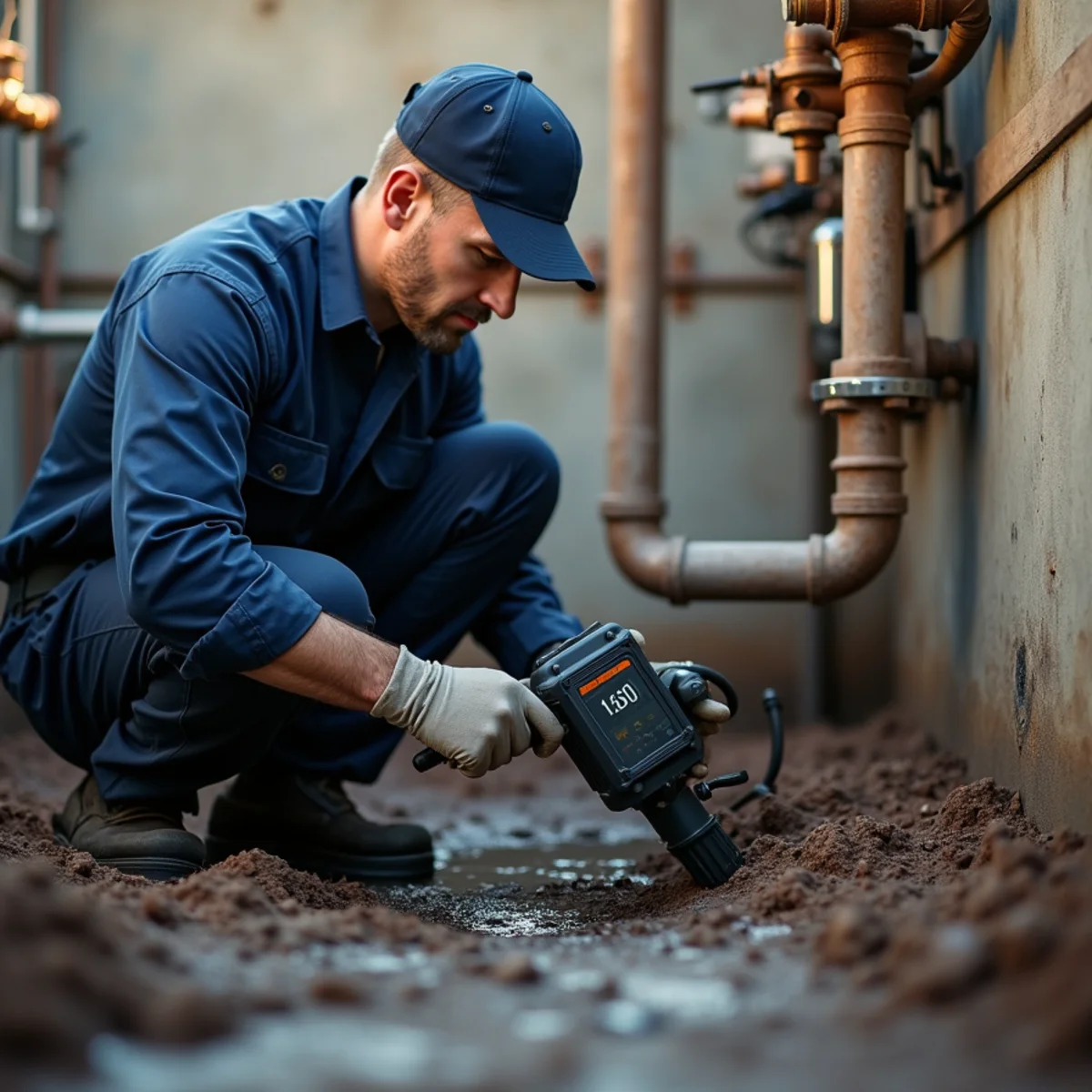
There is no need to guess. A sewer camera fed into the line shows precisely where roots have broken in, how far the intrusion runs, and whether the pipe around it is cracked, offset, or otherwise failing. A locator tracks the camera head from the surface, so the exact spot and depth of the intrusion can be marked in the yard.
That view shapes the right response. A light infestation in an otherwise sound pipe can often be cut back and cleared, while roots feeding through a broken joint or a collapsed section call for a repair or a trenchless fix, not another round of snaking that buys only a few months. A camera also rules roots in or out when the real culprit turns out to be grease or a pipe belly instead.
Related service
Trenchless Sewer Repair in Sacramento
Rehabilitating a damaged sewer line through small access points with CIPP lining or pipe bursting, avoiding a full-length trench.
Explore this serviceHow Roots Get Cleared
Getting water moving again is a job for professional equipment, not a home remedy. A powered auger fitted with a cutting head, or a hydro jet that both cuts the roots and flushes the pipe, is what removes an established root mass. Jetting tends to clear roots more completely because it scours the pipe wall rather than boring a single channel, though it is only used once a camera confirms the pipe is sound enough to take the pressure.
You may see foaming root-killer products sold for pouring down the drain. Those can slow regrowth in a line that is still structurally fine, but they do not remove an existing mass or repair the opening roots came through, so they are at best a stopgap between real fixes. Avoid contact with any wastewater from a backup, and leave the clearing itself to a plumber, since a main line under pressure is not something to open up yourself.
Fixing It So It Stays Fixed
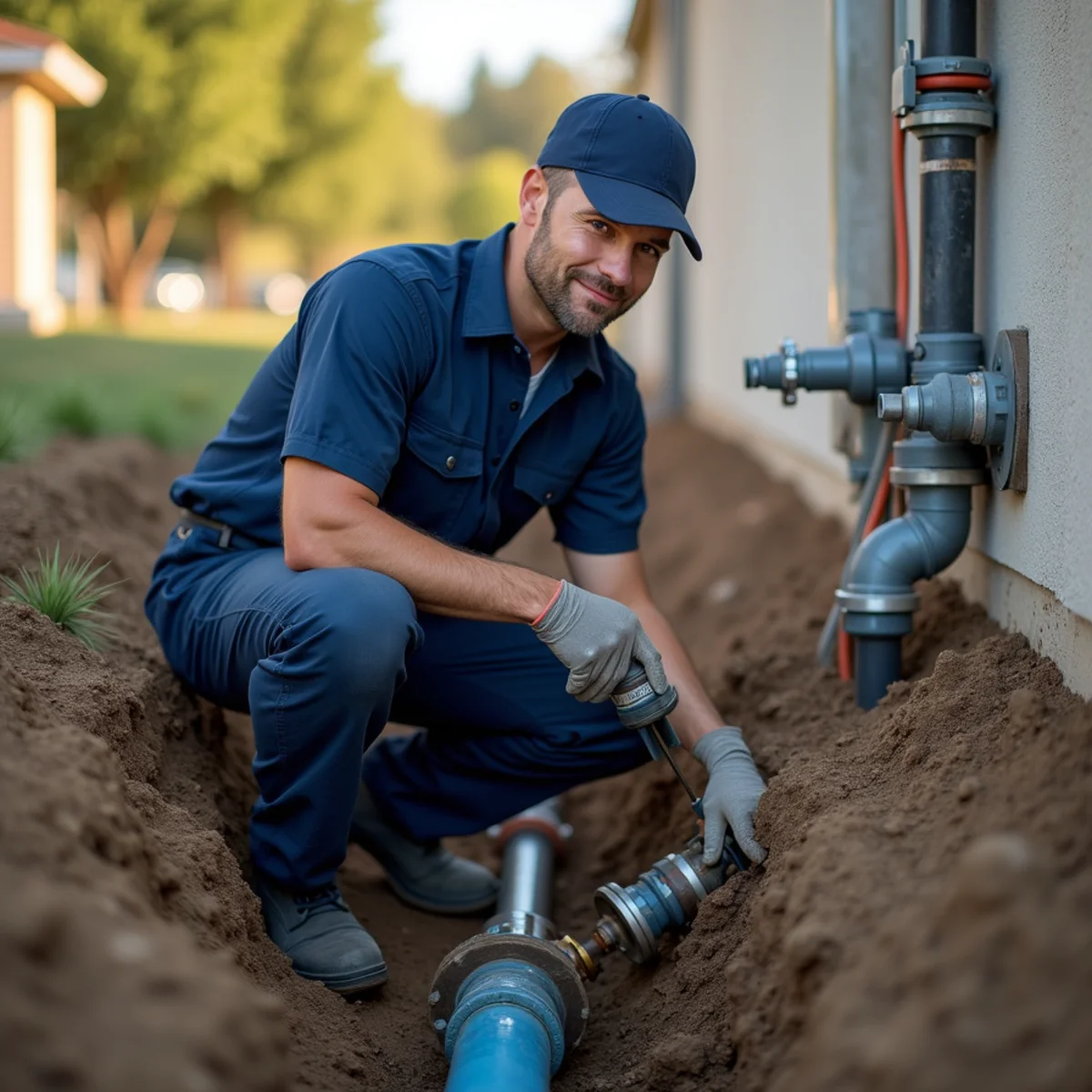
Clearing roots treats the symptom. Leave the crack or open joint they entered through and they will regrow, often within a season or two, because the same warm, damp draw is still there. A durable fix closes the opening: repairing or relining the compromised section so the inside of the pipe is sealed and roots have nowhere to get in. Trenchless methods, where a resin liner cures inside the old pipe or a new pipe is pulled through, can often do this without trenching the whole yard, and they leave a seamless interior with no joints for roots to exploit.
The camera inspection is what tells us which section and which method the line actually needs, so you are not paying to reline a pipe that only needed a spot repair, or patching a spot on a line that is failing end to end. If slow drains, gurgling, or recurring clogs have you suspecting roots, contact Bridelyra Plumbers at +1 (207) 419-2600 for an inspection and a straightforward plan.
Frequently Asked Questions
Cutting them back removes what is there now, but they return as long as the crack or open joint stays open. The lasting fix repairs or relines the damaged section so the interior of the pipe is sealed and roots can no longer reach it. A seamless relined pipe has no joints for roots to work into, which is why it holds up so much longer than repeated clearing.
A camera inspection ends the debate by showing exactly what is inside the pipe. That said, recurring clogs combined with mature trees along the sewer path make roots the leading suspect. Grease tends to build near the kitchen line and coats the walls, while roots usually enter at a joint or crack and form a fibrous mass, and a camera tells the two apart at a glance.
Yes. The clay and cast-iron lines under many established neighborhoods have far more joints than modern pipe and crack more readily with age and the swelling and shrinking of local clay soil. Every one of those gaps is an invitation to nearby roots, which is why root intrusion shows up so often in the city's older, tree-lined streets.
Only partly, and only for a while. Foaming root-treatment products can slow regrowth in a pipe that is still structurally sound, but they do not clear an established root mass or seal the crack or joint the roots came through. They are a stopgap, not a repair, and a line with real damage still needs the opening closed to keep roots out.
Bridelyra Plumbers Editorial Team
Reviewed for practical accuracy by our plumbing team
Published February 2, 2026 · Updated June 3, 2026