Safety note
Sewer backups involve contaminated water. Avoid contact with any wastewater in the home or yard, do not attempt to dig up or open a sewer line yourself, and leave inspection, clearing, and repair of the line to a professional.
Why Trees and Sewer Lines Compete
Roots grow toward moisture, and a buried sewer line is a dependable source of it, so in a tree-heavy neighborhood the two are bound to compete for the same ground. The detailed mechanics of how a root finds an opening and enters the pipe are covered in our guide to the signs of tree roots in a sewer line; the practical point here is that the conflict is normal and predictable rather than something to panic over.
Because it is predictable, it is also largely manageable. Most of what determines whether roots ever reach your line comes down to choices a homeowner can influence: which species grow near the sewer path, how far from the pipe they sit, and how often the line gets checked. The rest of this guide focuses on those levers, so you can keep the trees that make the block worth living on without surrendering the sewer beneath them.
Older Lines Raise the Risk
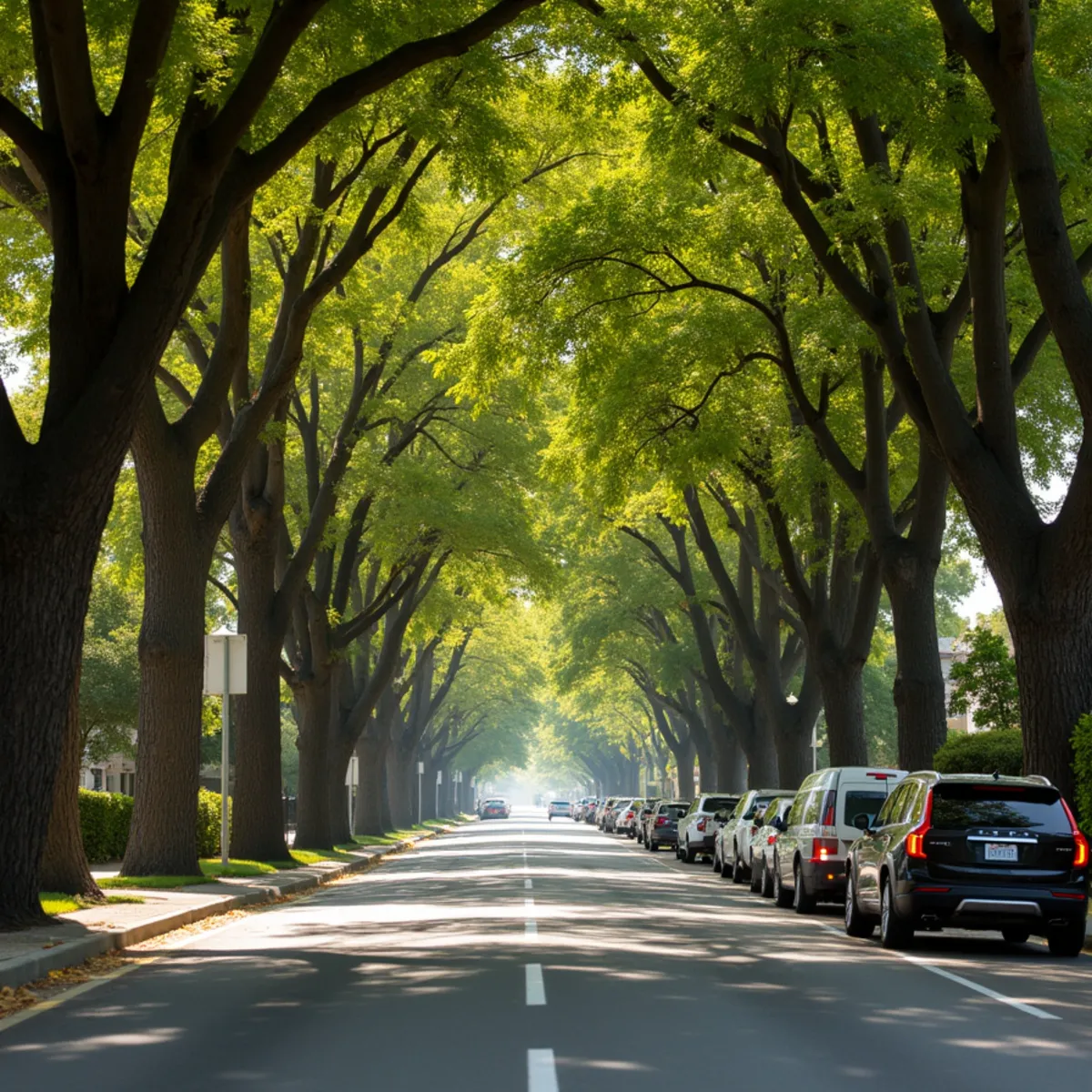
The blocks with the most breathtaking canopies also tend to have the oldest houses and the oldest sewer lines beneath them. Clay and cast-iron pipe, standard in those eras, is built in short sections joined end to end, and every joint is a seam that decades of ground movement can pull open just enough for a root to find. Clay in particular becomes brittle with age and cracks under the pressure of a growing root.
So the very things that make these neighborhoods beautiful, the mature trees and the historic homes, are the same things that stack the odds toward root intrusion. Seeing that pairing for what it is helps homeowners stay a step ahead of it rather than being caught off guard.
- Mature trees send roots toward sewer lines
- Older clay and cast-iron pipes have vulnerable joints
- Aging clay grows brittle and cracks under root pressure
- The combination is common in established neighborhoods
Which Trees Cause the Most Trouble
Not every tree is equally hard on a sewer. The worst offenders are fast-growing, water-loving species with aggressive, far-reaching root systems, including willows, poplars, silver maples, elms, and sycamores, several of which are common in Sacramento's older parkways and yards. Their roots can travel well beyond the drip line of the canopy in search of moisture.
That does not mean a big tree over the sewer path guarantees trouble, or that a smaller tree is harmless. It means the species, its size, and its distance from the line all shape the risk. If you are choosing what to plant, keeping aggressive species well away from the sewer path and favoring slower, less thirsty trees near it lowers the odds considerably.
- Aggressive species: willows, poplars, silver maples, elms, sycamores
- Roots can reach far past the edge of the canopy
- Plant thirsty, fast-growing trees away from the sewer path
Related service
Sewer Camera Inspection in Sacramento
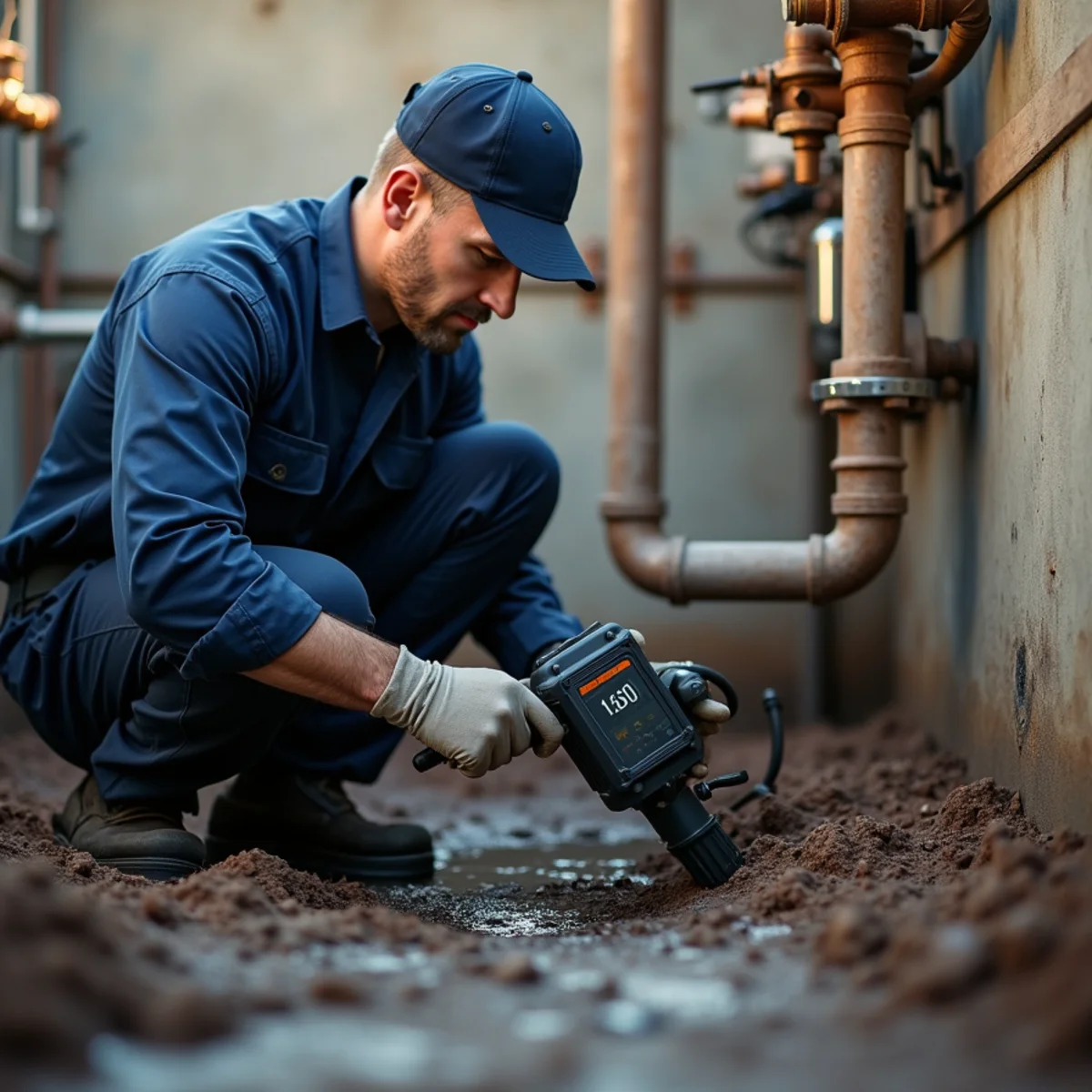
A recorded video look inside the sewer lateral to pinpoint root intrusion, cracks, offset joints, bellies, blockages, and true pipe condition.
Explore this serviceStay Ahead With Regular Monitoring
Rather than waiting for a backup, homeowners near big trees are better served by watching the line on a schedule. A sewer camera inspection every couple of years for a home with mature trees over the sewer path catches roots while they are still fine hairs and the flow is close to normal, which is exactly when the fix stays small and the yard stays undisturbed.
Between inspections, a returning clog or a gurgling drain is worth taking seriously rather than plunging away at it again and again. Our guide to the signs of tree roots in a sewer line walks through the specific indoor and yard symptoms in detail; the habit that matters most here is acting on the earliest hint instead of the eventual overflow.
- Camera-inspect the line every couple of years with mature trees nearby
- Treat a returning clog or gurgle as a prompt to check, not to keep plunging
- Acting early keeps the repair small and the yard undisturbed
How the Problem Is Diagnosed
Guessing at what is happening inside a buried pipe wastes money and often misses the real issue. The definitive step is a sewer camera inspection, in which a plumber feeds a small waterproof camera down the line and watches on a monitor exactly where the roots are entering, how far the intrusion has spread, and what condition the surrounding pipe is in.
That picture is what makes the response proportionate. A camera can distinguish a few fine roots at one joint, which calls for a light touch, from a line that is cracked, offset, or nearly collapsed, which calls for something more substantial. It also pinpoints the location so any repair is targeted rather than exploratory.
Related service
Hydro Jetting in Sacramento
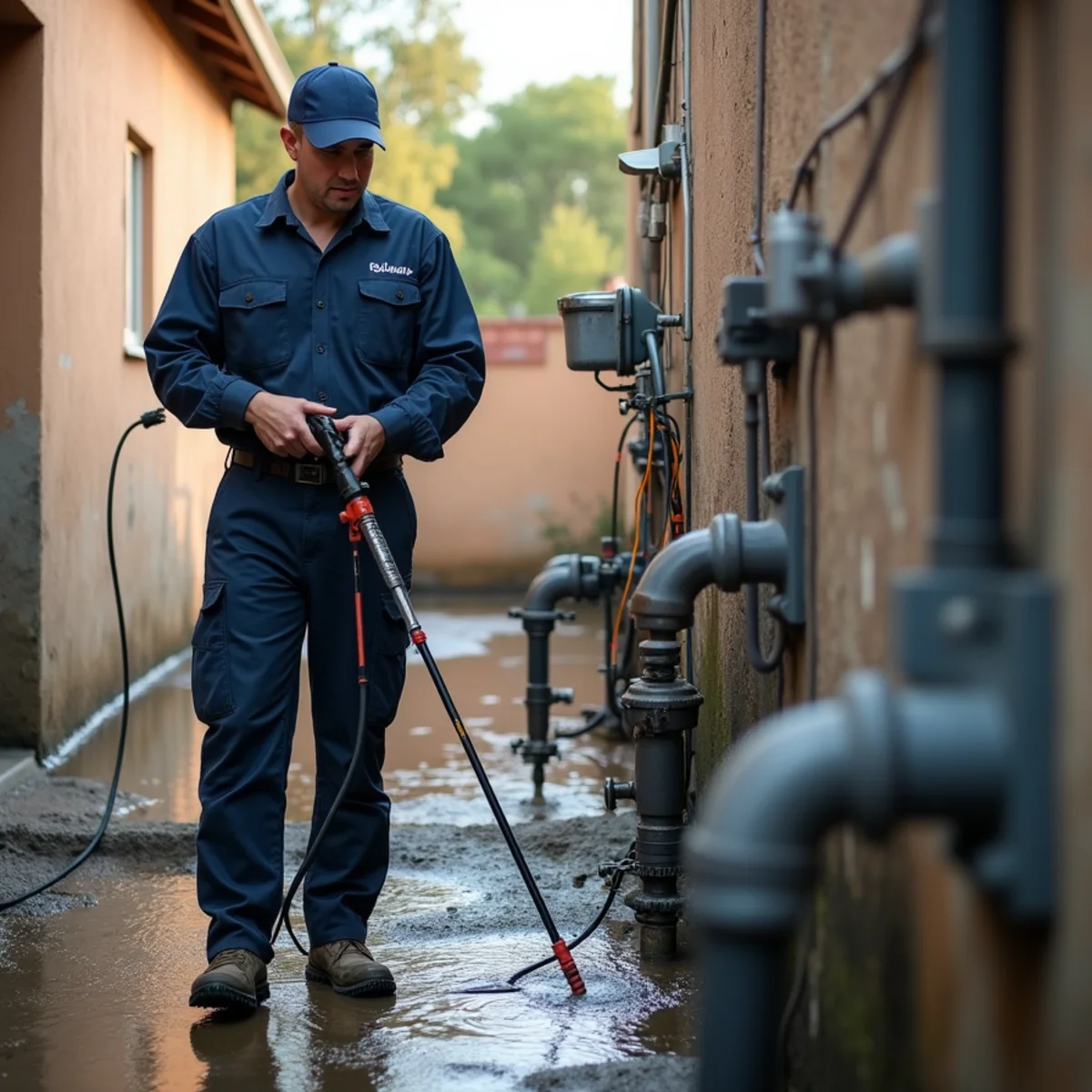
High-pressure water cleaning that scours grease, hard-water scale, root hairs, and packed sludge off the full inside wall of a drain or sewer line.
Explore this serviceYour Options for Clearing and Repair
Once the camera shows what is happening, there is a spectrum of responses rather than a single fix. On the lighter end, mechanical clearing cuts the roots out of the line to restore flow, and hydro jetting uses high-pressure water to scour the pipe wall clean, both of which relieve a backup but leave the entry point open for regrowth.
For a lasting result, the damaged section itself has to be addressed. Trenchless pipe lining slips a resin-coated sleeve into the old pipe and cures it in place, creating a seamless new inner wall that roots cannot penetrate, usually without digging up the yard. Where a pipe is crushed, badly offset, or collapsed, excavating and replacing that section is the appropriate repair. Which path fits depends entirely on the pipe's condition, which is why the camera inspection comes first. All of this work belongs with a professional, given the contaminated water and specialized equipment involved.
- Mechanical cutting or hydro jetting restores flow but roots return
- Trenchless lining seals the pipe so roots cannot re-enter, often without digging
- Excavation and replacement for crushed or collapsed sections
Proactive Steps for Homeowners
Living near mature trees rewards getting ahead of the problem instead of waiting for a backup. A periodic sewer camera inspection, on the order of every couple of years for a home with big trees over the line, catches roots entering while flow is still mostly normal. Being mindful of what goes down the drain helps too, since grease and non-flushable items give a partial root mass something to grab and turn a slow line into a full stoppage.
None of this means taking down a beloved tree. The practical path is to know the line's condition, clear intrusion before it backs up, and reline or repair the vulnerable sections when the pipe warrants it, so the roots and the sewer can go on sharing the same ground. To inspect a line for roots or deal with recurring backups in a tree-lined neighborhood, contact Bridelyra Plumbers at +1 (207) 419-2600.
Frequently Asked Questions
Usually not. The practical approach is monitoring the line with periodic camera inspections and repairing or relining the vulnerable sections so roots cannot get in, which lets the trees and the sewer coexist. Removal is a last resort, reserved for cases where a specific tree is repeatedly destroying the line.
A camera can spot roots entering the line well before they fully block it, while the flow still looks mostly normal. Catching intrusion at that stage makes the response far simpler and less disruptive than clearing a full backup later.
Clearing removes the roots that are there now but leaves the crack or open joint they entered through, so they simply grow back, often within a season. A lasting fix relines or repairs the damaged section so roots can no longer reach the inside of the pipe.
Fast-growing, water-loving species with aggressive roots cause the most trouble, including willows, poplars, silver maples, elms, and sycamores, some of which are common in Sacramento's older neighborhoods. Their roots can reach well past the edge of the canopy toward a leaking line.
Bridelyra Plumbers Editorial Team
Reviewed for practical accuracy by our plumbing team
Published January 26, 2026 · Updated May 27, 2026