Safety note
Persistent sewer gas should not be ignored or simply sealed over. Ventilate the area, keep clear of any wastewater, and have a professional locate and repair the source at its origin.
A Dried-Out P-Trap
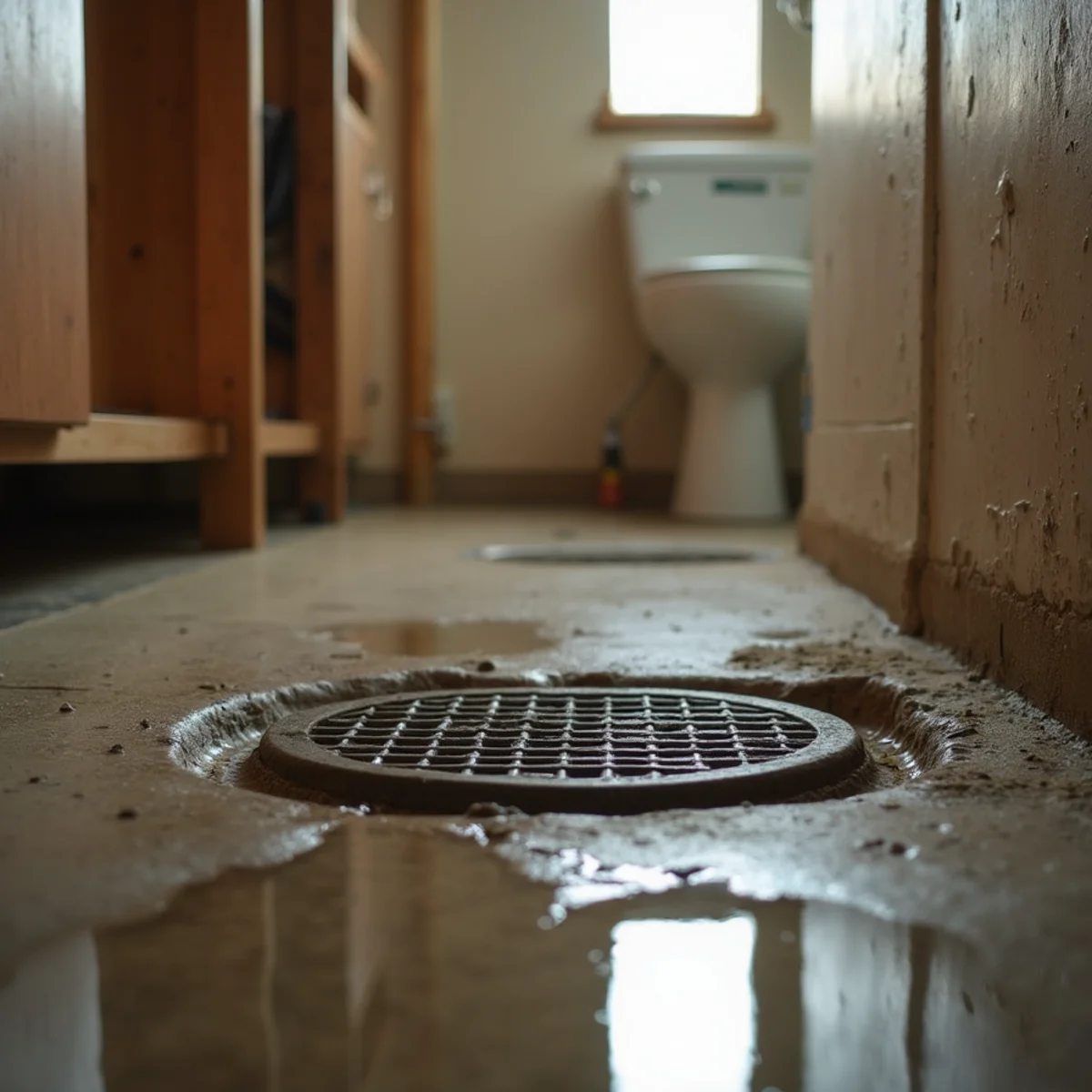
Look under any sink and you will see a U-shaped bend in the drain: that is the P-trap, and it is your first line of defense. It holds a small plug of water that physically blocks sewer gas from rising up through the drain. At a fixture nobody uses much, like a guest bathroom sink, a spare shower, or a laundry-room floor drain, that water slowly evaporates over weeks until the seal is gone and gas drifts straight in.
This is the single most common cause and the easiest to rule out. Run water down the drain for a minute to refill the trap, and the smell usually clears within the hour. Floor drains and rarely used showers are the classic offenders, so do not skip them when you go looking.
- Most common in seldom-used sinks, showers, tubs, and floor drains
- Run water down each suspect drain for a minute to refill the trap
- Pour a couple of cups of water into floor drains you never otherwise use
- A splash of mineral oil on top slows evaporation in rarely used drains
Dirty Drains and Biofilm Buildup
Sometimes the water seal is fine and the smell is coming from the drain itself. Soap, grease, food, hair, and organic debris coat the inside of a drain and grow a slimy biofilm of bacteria that gives off a musty, sour, or sewer-like odor, most noticeably right at the fixture. Kitchen sinks, bathroom sinks, and the overflow openings on basins are common spots.
This odor tends to be strongest when you first turn the water on and lift the gunk. Cleaning the drain and the stopper, and flushing the line, usually settles it. If a thorough cleaning does not, the smell is likely traveling from somewhere deeper in the system rather than the fixture in front of you.
- Odor is strongest right at one fixture, not throughout the house
- Clean the stopper, strainer, and the overflow opening on the basin
- Flush the drain with plenty of water after cleaning to clear loosened debris
A Blocked or Broken Vent
Your drains are paired with vent pipes that run up through the roof. They let sewer gas escape harmlessly above the house and let air in so water drains smoothly instead of glugging. When a vent gets plugged, by leaves, a bird's nest, or a stray ball that landed up there years ago, that gas has nowhere to go but back down into the drains and out into your rooms.
A telltale sign is odor paired with gurgling drains: a blocked vent throws off the pressure balance the traps depend on, and it can even siphon a trap dry, so the two problems stack together. Diagnosing and clearing a roof vent is a job to leave to a professional rather than climbing up after it yourself.
Related service
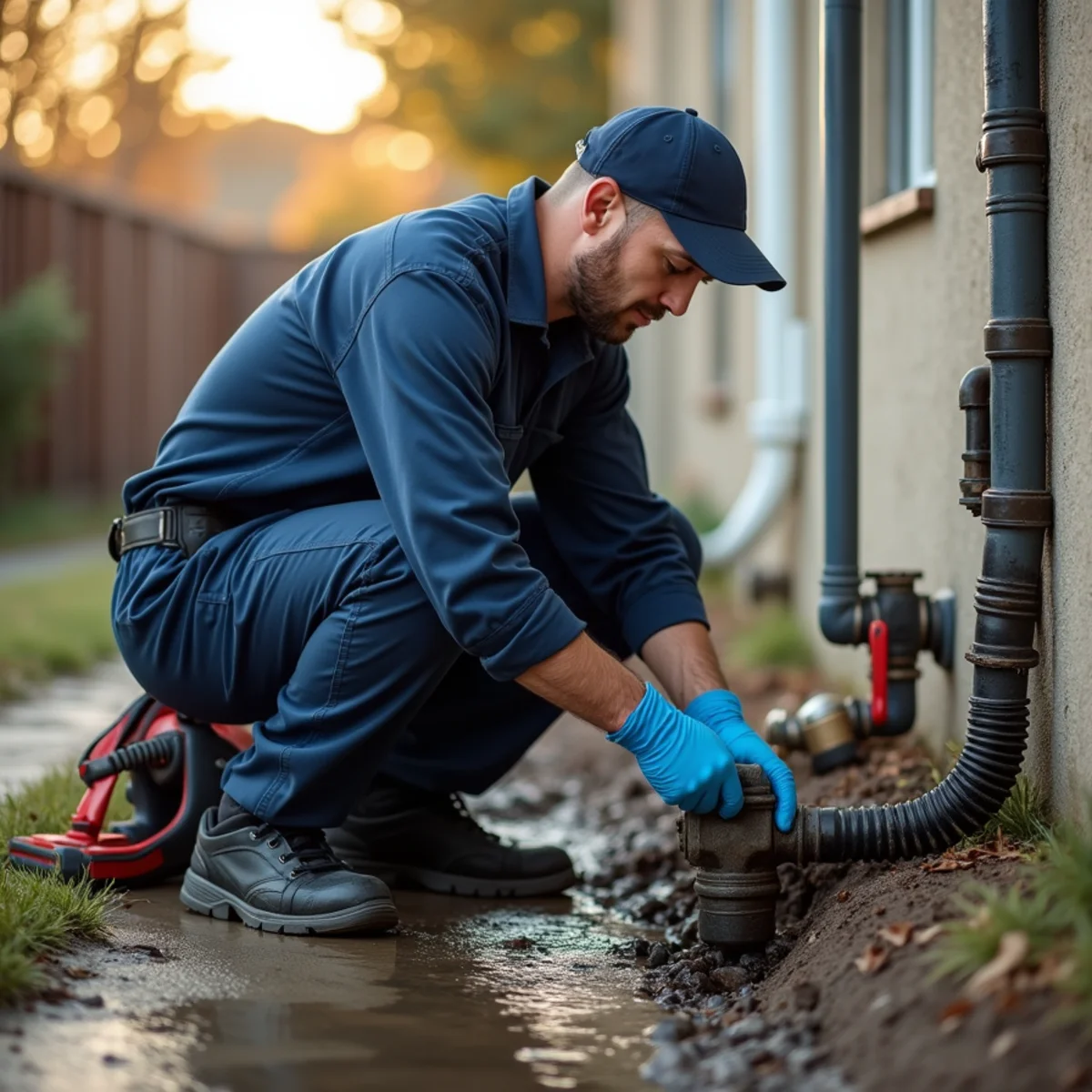
Sewer Line Repair in Sacramento
Camera-guided repair for damaged, blocked, or root-invaded sewer laterals that carry waste away from a Sacramento home.
Explore this serviceFailed Toilet Seals and Loose Fittings
A toilet is sealed to the drain flange by a wax ring, and that ring dries out, shifts, or crushes over time, especially if the toilet rocks. When it fails, sewer gas escapes around the base and can carry into the bathroom every time the bowl is used. A toilet that rocks slightly when you sit, or shows dampness or a faint stain around its base, is the classic tell.
Loose or corroded fittings elsewhere in the drain system do the same thing on a smaller scale. Because the gap is often tiny, the smell can come and go rather than sit there constantly, which makes a rocking or weeping toilet worth a close look before you go hunting further afield.
Cracked Pipes and Aging Sacramento Lines
Gas can also escape from the drain pipes themselves. A cracked drain line inside a wall, a fitting that has worked loose, or a corroded section of stack will all let sewer gas seep into the home. Many older homes across Sacramento, especially in neighborhoods like Land Park and Curtis Park, still run on their original cast-iron drain and vent stacks. After decades in the ground and behind plaster, that pipe corrodes, scales, and eventually cracks, opening quiet paths for gas to escape, and the wax seals and fittings from that era give out with age as well.
Because these leaks hide inside walls, under floors, and behind fixtures, a persistent smell with no dried-out trap and no dirty drain to blame deserves a closer look. This is where a camera inspection earns its keep, tracing the odor to a specific spot instead of guessing, and locating hairline cracks that reveal nothing from the surface.
A Note on Rotten-Egg Smells from Hot Water
Not every foul odor is sewer gas. A distinct rotten-egg smell that appears only when you run hot water, and only at certain fixtures, often points to the water heater rather than the drains. Bacteria can react with the sacrificial anode inside the tank and produce that sulfur odor in the hot water itself.
The quick test is simple: if the smell rides in on the hot side and clears on cold, look at the water heater; if it drifts up from drains regardless of which tap you run, you are back to the causes above. A water heater producing sulfur odor is worth a professional look rather than a guess.
Related service
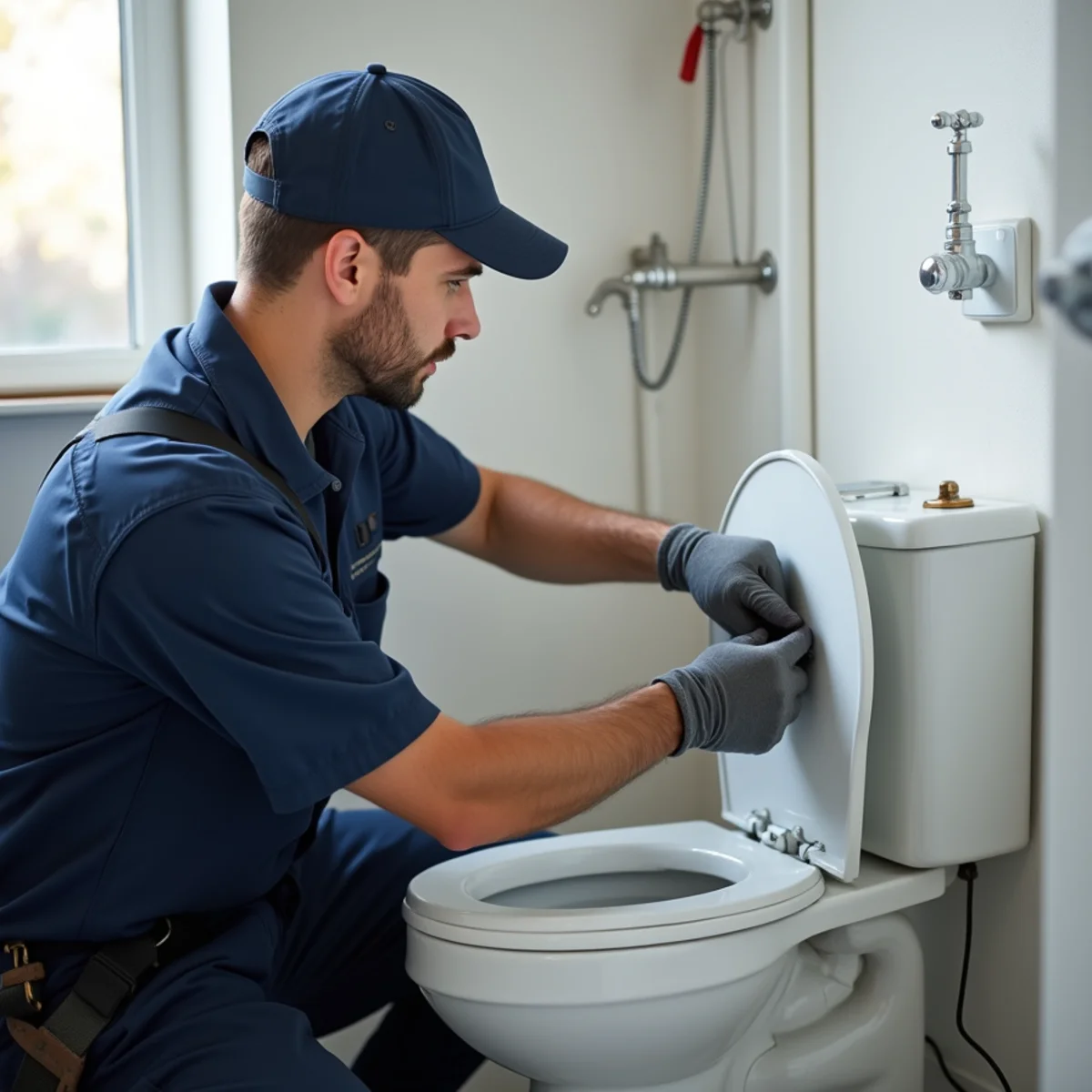
Toilet Repair in Sacramento
Repair for running, leaking, weak-flushing, clogged, and rocking toilets in Sacramento homes and businesses.
Explore this serviceHow to Track the Source Yourself
You can narrow this down before anyone comes out. Walk the house and note where the smell is strongest, because odor is usually loudest near its source. Then work through the easy causes in order: run water in every drain you rarely use to refill traps, clean any drain that smells right at the opening, and check whether any toilet rocks. Give it a day between steps so you can tell what actually worked.
If refilling every trap and cleaning the obvious drains does not solve it, the cause is likely a vent fault, a failed seal, or a cracked line, none of which are a fix-it-yourself job. That is the point to bring in a professional rather than keep chasing it.
- Note which room and which fixture the odor is strongest near
- Refill every seldom-used trap, then wait a day to judge the result
- Clean drains that smell at the opening and check every toilet for rocking
- Persistent odor after all that points deeper and warrants a professional
When to Have It Traced
If refilling every trap in the house does not solve it, or the odor is strong and persistent from the start, it is time for a professional to track the source down. Sewer gas is not something to mask with an air freshener and live around, and the real cause may be a hidden crack or a venting fault that needs a proper repair.
To have a lingering sewer odor investigated, contact Bridelyra Plumbers at +1 (207) 419-2600.
Frequently Asked Questions
A bathroom that sits unused usually has a dried-out P-trap, because the water plug that blocks sewer gas evaporates when nothing runs down the drain. Running water into each drain for a minute typically refills the trap and clears the smell.
It should not be ignored, though most household odors trace to something as simple as a dry trap. A strong or persistent smell that will not clear warrants professional attention to find and fix the source, since it can signal a venting fault or a cracked line.
An odor that shows up only on the hot side usually points to the water heater, where bacteria can react with the tank's anode to produce a sulfur smell. If the odor comes from drains on both hot and cold water, look at the traps, vents, and drain lines instead.
Yes. When the wax ring under a toilet fails, sewer gas escapes around the base. A toilet that rocks or shows moisture at its base is a common sign the seal has gone and needs replacing.
Bridelyra Plumbers Editorial Team
Reviewed for practical accuracy by our plumbing team
Published March 16, 2026 · Updated June 24, 2026