
Safety note
Concerns about lead in older pipes, solder, or service lines call for professional water testing and assessment rather than a do-it-yourself judgment. Have the materials evaluated before making any decision about replacement.
Know Your Pipe Materials and Their Lifespans
The single most useful thing to learn about an older home is what its pipes are made of, because material largely predicts how the system will behave and how long it has left. Homes built before roughly 1960 commonly used galvanized steel for supply lines and cast iron or clay for drains, and galvanized supply pipe typically has a service life in the range of forty to fifty years, which most of these homes passed long ago.
Mid-century and later homes may have copper, which is durable and long-lived, while some 1970s and 1980s houses received polybutylene, a gray plastic supply pipe that became known for failing at its fittings. Identifying what you have turns vague worry into a clear picture, so you know which lines are living on borrowed time and which are fine to leave alone.
- Galvanized steel: dull gray, magnetic, roughly a 40 to 50 year life
- Cast iron and clay: common older drain and sewer materials
- Copper: durable and long-lived, often found in later homes
- Polybutylene: gray plastic supply pipe prone to failing at fittings
Aging Galvanized Supply Pipes
A great many older Sacramento homes were plumbed with galvanized steel supply lines. Over the decades those pipes corrode from the inside out, and the buildup chokes down flow, drags pressure lower, and sheds rust that tints the water. None of it is visible from outside the wall, so the first you hear of it is usually at the tap.
If your home still runs its original galvanized lines, weak pressure, rusty or discolored water, and leaks that keep cropping up are not three separate problems, they are the same corrosion showing itself in different ways. Once you know the material, those clues start to add up. When corrosion is widespread, repiping the supply system in copper or modern PEX is usually more sensible than patching one failing section after another.
- Galvanized steel corrodes internally over decades
- Symptoms include low pressure and rust-tinted water
- Recurring leaks can signal system-wide deterioration
Older Drain and Sewer Lines
The drains and sewer lines in older homes are typically cast iron or clay. Both last a long time, but both eventually corrode, crack, or shift as the ground moves beneath them. Cast iron develops rough, pitted interior walls that snag lint, hair, and grease and build clogs, while clay is laid in short sections with a joint at every connection, and every joint is a doorway for the tree roots that are so common under Sacramento's mature, tree-lined streets.
So when an older home has drains that back up again and again, water that drains slowly across several fixtures, or a whiff of sewer gas, the aging lines underground are the usual suspects. A sewer camera inspection run through the line is the clearest way to see their true condition, locate root intrusion or a cracked section, and decide between cleaning, spot repair, or replacement rather than guessing.

Related service
Plumbing Inspection in Sacramento
A methodical, whole-home evaluation of your plumbing system that finds hidden problems and ranks them before they turn into expensive emergencies.
Explore this serviceWater Quality and Older Materials
Older plumbing can affect what comes out of the tap. Corroding galvanized pipe sheds iron that gives water a rusty, brownish tint and a metallic taste. Separately, homes of a certain age may have lead solder at copper joints or, in the oldest cases, lead service components, which is a health consideration worth taking seriously rather than guessing about.
If you are concerned about lead in an older home, the appropriate step is professional water testing and assessment, not a do-it-yourself judgment. A plumber can identify the materials in question and advise on testing and safe replacement so any decision rests on facts rather than assumption.
Hard Water's Cumulative Toll
Sacramento's hard water works on every home in the region, but in an older one the effects have had far longer to stack up. Years of mineral scale narrow the inside of pipes, wear fixtures out faster, and speed the sediment that collects in the water heater.
What you see in an older home is often the sum of decades of that exposure at once, from aerators clogged with grit to valves that no longer seat cleanly. Treating the water itself, with a softener, slows further buildup and helps protect whatever upgrades you invest in so the new work lasts closer to its full potential.
Fixtures, Valves, and Shutoffs
Original fixtures and valves do not last forever, and shutoff valves that have not been turned in years are the ones most likely to seize or start weeping the moment you finally need them. That matters most in an emergency, when a shutoff that will not budge lets a small leak become a flooded room.
It pays to know which shutoffs actually work and to have the tired ones serviced before you are counting on them. Older homes also frequently lack modern safeguards a plumber can add during other work, such as functional angle stops at each fixture and a pressure regulator to tame high street pressure. A main shutoff you can trust is one of the most important safeguards in any home, old or new.
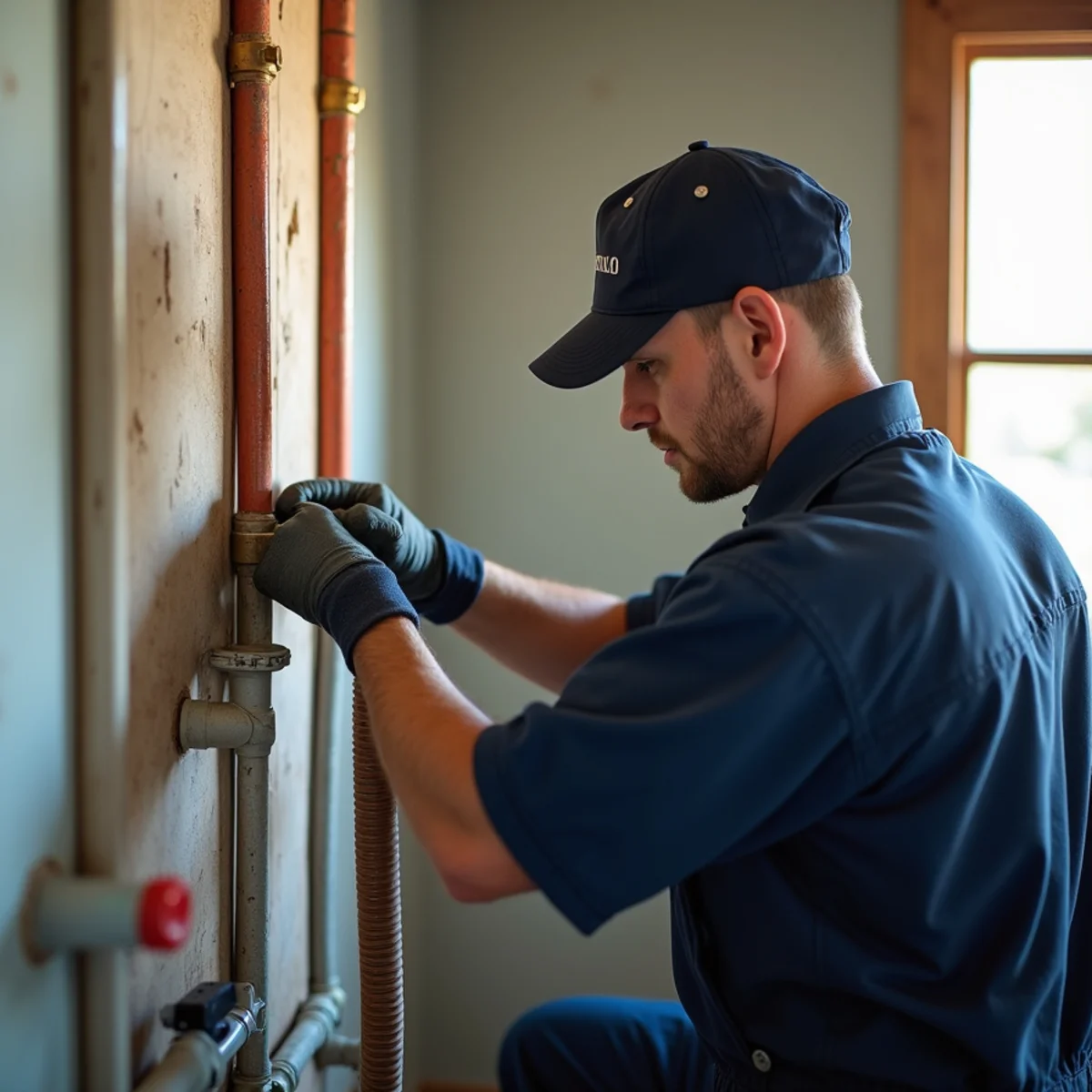
Related service
Repiping in Sacramento
Full or partial replacement of corroded, leak-prone galvanized and aging copper with modern copper or PEX water lines built to last.
Explore this serviceBuying or Selling an Older Home
If you are buying an older Sacramento home, the plumbing deserves its own scrutiny beyond a general home inspection. A dedicated plumbing inspection, ideally including a sewer camera run, reveals the pipe materials, the condition of the supply lines, and the state of the sewer lateral, all of which carry real cost implications. Knowing this before closing lets you plan, negotiate, or budget with open eyes rather than inheriting a surprise.
For sellers, addressing known issues or simply documenting the system's condition can smooth a sale. Either way, the goal is the same: replace uncertainty with a clear, current picture of what the plumbing actually is and what it is likely to need.
- Request a dedicated plumbing and sewer inspection before closing
- Confirm the supply and drain materials and their remaining life
- Check the sewer lateral, a costly item if it has failed
Planning Sensible Upgrades
The right response to an older home is not alarm, it is a plan. A professional inspection maps the real condition of the supply lines, the drains, the water heater, and the fixtures, so you can rank the work by urgency instead of lurching from one emergency to the next.
Whether the priority turns out to be repiping a corroded run, tending to the sewer, adding a pressure regulator, or updating worn fixtures, a clear assessment sets the order and lets you spread the investment over time. To have an older home's plumbing evaluated, contact Bridelyra Plumbers at +1 (207) 419-2600.
Frequently Asked Questions
A plumber can identify the material during an inspection. Galvanized steel looks dull gray and holds a magnet, copper has a warm brownish tone, and modern plastics look and behave differently again. Knowing the material is what guides the maintenance and upgrades that make sense, since each type ages in its own way.
Not necessarily. A professional inspection lets you prioritize by condition, so you can tackle the most deteriorated systems first and plan the rest on a timeline rather than replacing everything in one costly push. Whole-home repiping makes sense mainly when corrosion is widespread across the supply system.
It is a sound step. A dedicated plumbing inspection, ideally with a sewer camera run, reveals the pipe materials, the condition of the supply lines, and the state of the sewer lateral before you close, so you can plan or negotiate rather than inherit a hidden and potentially expensive problem.
Yes. Older cast-iron and clay drain lines are more prone to corrosion, cracks, and root intrusion, especially in the mature, tree-lined neighborhoods, which makes recurring backups more common than in newer construction.
Bridelyra Plumbers Editorial Team
Reviewed for practical accuracy by our plumbing team
Published September 29, 2025 · Updated January 13, 2026