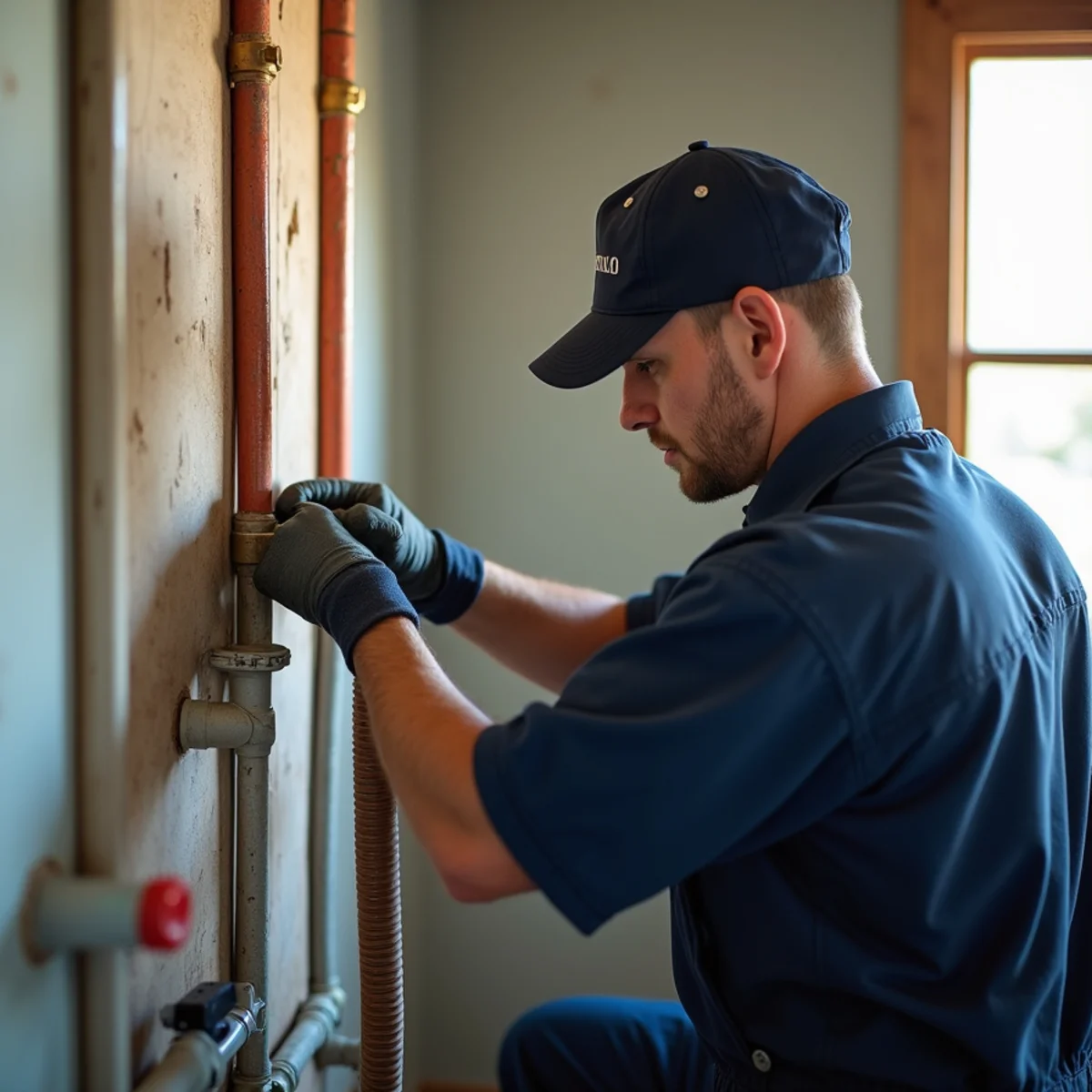
Symptoms and Warning Signs
- Leaks turning up again and again in different parts of the house
- Rusty, brown, or discolored water, often worst on the first draw of the morning
- Water pressure that has fallen off as the pipe interiors narrow with rust and scale
- Visible corrosion, flaking, or bulging along much of the exposed piping
- Faucets that run cloudy or brown for a while before clearing
- Hot-side flow noticeably weaker than cold, because the hot lines scale faster
- A metallic taste to the tap water
- Pinhole leaks weeping through copper in more than one location
- A home you know still runs on its original galvanized supply plumbing
- Repair bills stacking up as one section after another finally gives out
Common Causes
- Galvanized supply lines corroding from the inside out until the bore closes down
- Decades of Sacramento hard-water scale narrowing the pipe interiors
- Widespread pinhole corrosion breaking out across aging copper
- Original builder-grade piping that has simply reached the end of its service life
- Spot repairs that can no longer keep pace with new failures
- A patchwork of mismatched materials left behind by years of one-off fixes
- Chronically high water pressure accelerating wear on thin, tired pipe walls
- Electrolytic corrosion where dissimilar metals meet at old transitions
- Early plastic or specialty systems, such as Kitec, known to fail before their time
What to have ready when you contact us
Our Inspection & Diagnostic Process
- 1Assess the existing system and map the routes the pipes actually run
- 2Test house pressure and inspect accessible pipe to gauge true condition
- 3Recommend full or partial repiping based on what we observe, not a blanket rule
- 4Walk you through material options, weighing copper against PEX for your home
- 5Plan the work to limit wall openings and keep water downtime short
- 6Install the new lines and tie in every fixture and appliance
- 7Pressure-test the whole system and confirm clean, full flow at every tap
- 8Patch and close the access openings and walk you through the new layout
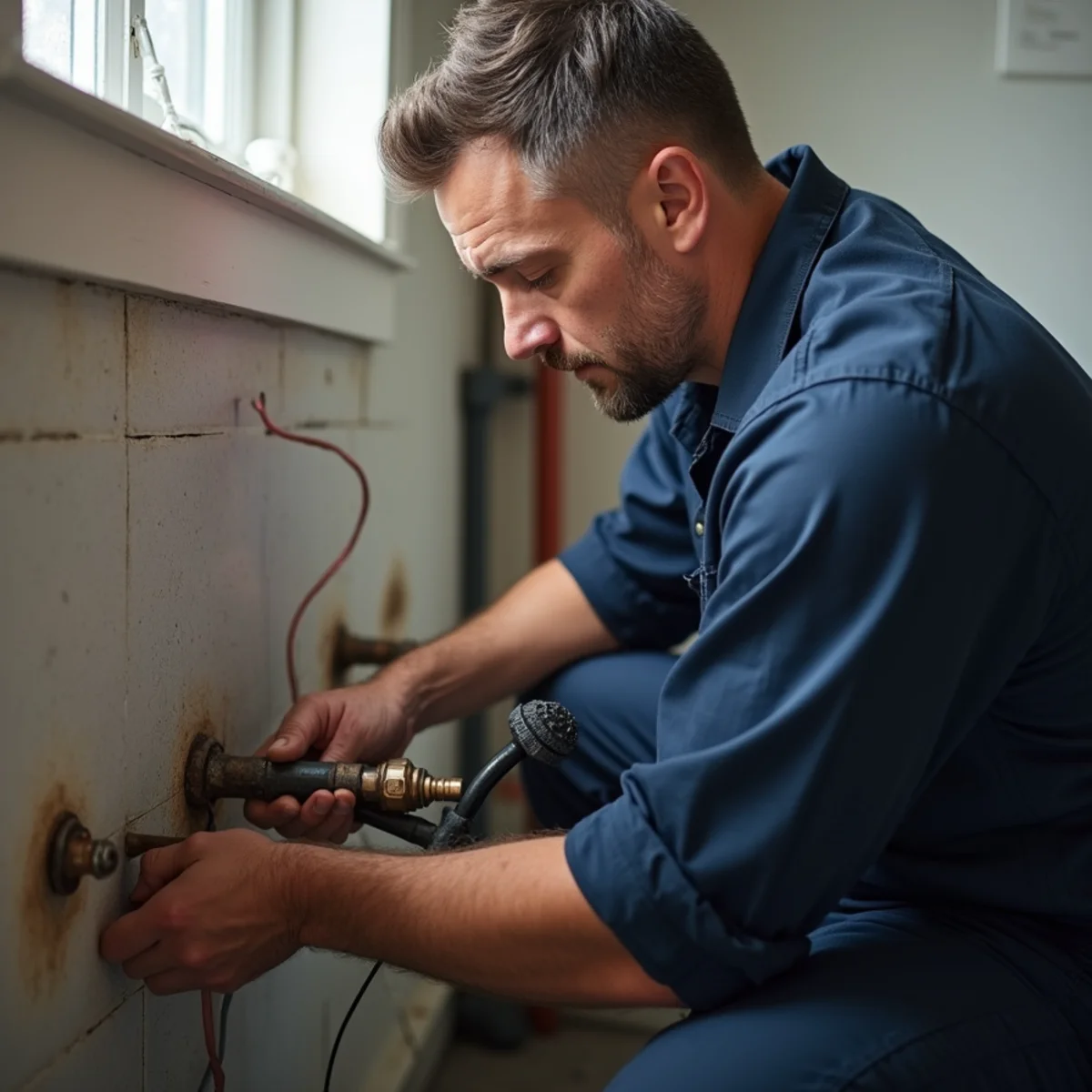
Related service
Pipe Repair in Sacramento
Repair for leaking, corroded, pinholed, or burst supply and drain pipes throughout a Sacramento home, sized to the real damage.
Explore this servicePossible Repair & Service Approaches
- Whole-home repiping of the supply lines
- Partial repiping targeting the worst-affected zones
- Galvanized-to-copper or galvanized-to-PEX replacement
- PEX repiping for flexible, scale-resistant runs through tight framing
- Copper repiping where a homeowner prefers the material
- Fixture and appliance reconnection
- Main-line and hose-bib renewal alongside the interior work
- Access planning to keep wall, ceiling, and attic openings to a minimum
Residential
- Whole-house supply repiping
- Galvanized pipe replacement
- Copper and PEX repipe options
- Zone-by-zone partial repipes
- Fixture and appliance reconnection
- Pressure and water-quality restoration through new full-diameter lines
Commercial
- Light-commercial repiping
- Multi-unit riser and branch replacement
- Phased repiping planned around business hours
- Tenant-space plumbing renewal
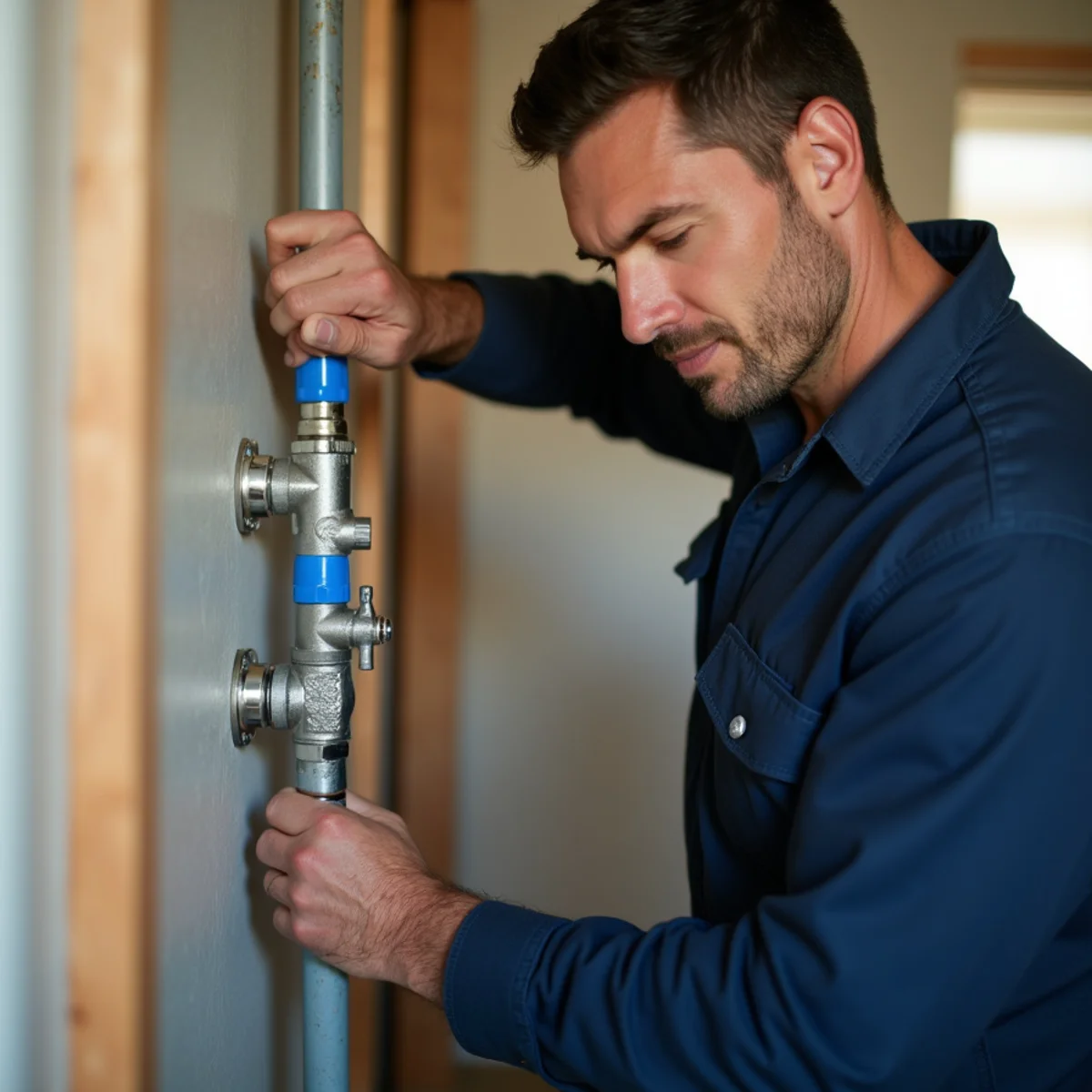
Why Professional Help Matters
Repiping reaches into nearly every wall in the house, so planning the routes, sizing the lines to keep pressure balanced, and sequencing the work is what keeps the project from turning into chaos. A skilled crew keeps wall and ceiling openings to a minimum, maintains water where the schedule allows, and gets the fixture and appliance tie-ins right the first time so the finished system is leak-free under pressure. The material choice matters too: copper and PEX each have their place, and the right pick depends on the home's framing, its water chemistry, and how you plan to use the house. Done well, a repipe disappears back into the walls, and the only trace left behind is pressure and water quality that suddenly feel new.
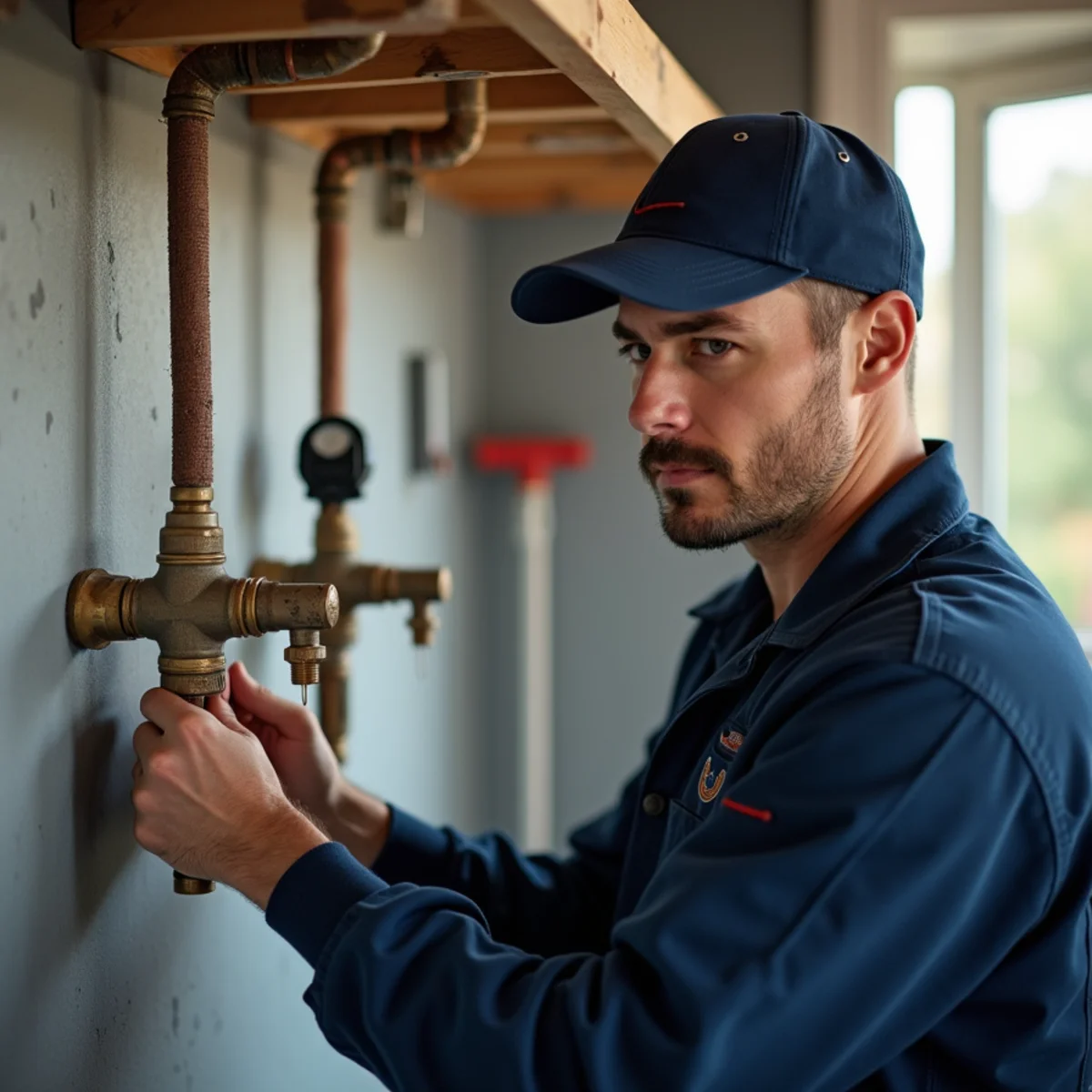
Related service
Water Pressure Repair in Sacramento
Diagnosis and repair for low water pressure, high pressure, water hammer, and uneven flow throughout the home.
Explore this serviceRepiping in the Sacramento Area
Sacramento has a deep stock of mid-century and older homes still running on the original galvanized supply plumbing that no one expected to still be in service this long. Galvanized steel tends to corrode from the inside, and after enough decades the bore closes down with rust and hard-water scale until the water runs brown and the pressure fades, which is why a repipe is so often the durable answer here rather than another patch. What a project costs depends on the home's size and number of stories, the material chosen, how much drywall has to be opened and restored, and how reachable the existing runs are, so the range is wide and worth pricing against your specific house. We plan around the tight wall, crawlspace, and attic access common in older central-city, Land Park, and East Sacramento homes to keep the disruption manageable and the openings small.
Why Choose Bridelyra Plumbers
- Problem-first diagnosis before recommending work
- Clear explanation of the options and next steps
- Respectful service in homes and businesses
- Solutions matched to your actual plumbing system
- Convenient phone and online contact
- 130 customer reviews
Frequently Asked Questions
When leaks keep surfacing in new spots, the water runs rusty, and pressure has fallen off across the whole home, a string of repairs usually adds up to more than one planned repipe. Homes still on original galvanized pipe are the most common candidates, since that material has a finite life. An assessment lays the trade-off out clearly so you are not guessing.
Both are sound modern choices. Copper is rigid, long-lived, and many homeowners prefer it; PEX is flexible, resists the scale that Sacramento's hard water produces, snakes through tight framing with fewer wall openings, and costs less per foot. The better fit depends on your home's layout, your water chemistry, and your budget, and we walk you through the trade-offs before any pipe goes in.
No. We plan the routes to minimize openings, though some access is unavoidable on any repipe. PEX in particular can often be pulled through existing cavities, which keeps both the number and the size of the openings as low as the layout allows. We patch and close what we open once the new lines pass their pressure test.
Many whole-house repipes run a few working days, longer for larger or two-story homes, with drywall patching adding time after. We sequence the work to keep water downtime short, and on many projects water is back on at the end of each work period. You get a realistic day-by-day schedule before the first wall is opened.
Yes. If only certain zones are failing, a partial repipe can target the worst areas and leave sound runs in place. We base that recommendation on the actual condition we find in your pipes rather than a blanket rule, so you are not replacing pipe that still has life in it.
If the low pressure comes from pipes narrowed by corrosion and scale, new full-diameter lines typically bring strong, even flow back throughout the home. Rusty or discolored water caused by corroding galvanized pipe usually clears once those lines are gone, since there is no longer any rusting steel for the water to pick up on its way to the tap.
It varies with the home's size and number of stories, the pipe material, how much drywall must be opened and restored, and how accessible the existing runs are. A small single-story home in PEX sits at the lower end of the range, while a larger two-story home in copper sits well above it. Once a skilled plumbing technician has assessed the system, you get an upfront service recommendation rather than a number sight unseen.
It can be. Known galvanized plumbing or a history of leaks often surfaces in an inspection and gives buyers pause, so a completed repipe removes that concern and the uncertainty around it. Whether it pencils out depends on the home and the market, and we are glad to lay out the condition so you can weigh it.