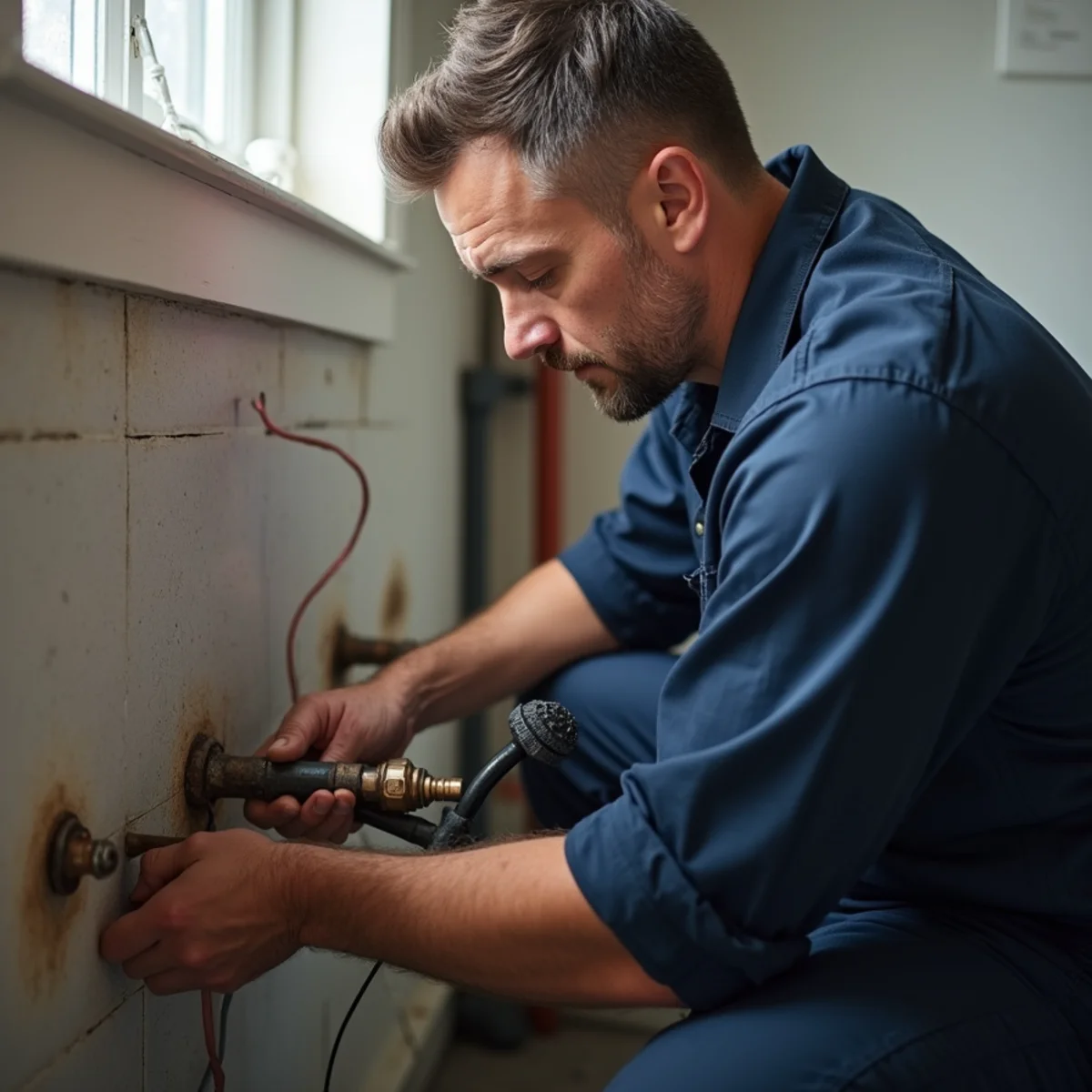
Symptoms and Warning Signs
- Visible drips, green corrosion, or a chalky mineral crust on a pipe
- Water stains blooming on ceilings, walls, or under cabinets
- Discolored or rust-tinted water coming from the tap
- A musty smell or mold appearing near a wall or cabinet with no visible leak
- Pressure dropping off from a line that is partly blocked or leaking
- Pipes knocking or banging in the wall when water is running
- Damp spots or a steady drip in a crawlspace or garage
- A section of pipe that froze and may have split over a cold snap
Common Causes
- Corrosion working through aging galvanized or copper piping
- Pinhole leaks from years of Sacramento's hard-water chemistry
- Freeze stress on exposed or poorly insulated pipe during a cold snap
- Physical damage from earlier work or shifting foundation soil
- Joints that failed or were never soldered or threaded correctly
- Galvanic corrosion where dissimilar metals were joined without the right fitting
- Chronically high water pressure straining older, thinner-walled lines
What to have ready when you contact us
Our Inspection & Diagnostic Process
- 1Locate the damaged section, bringing in leak detection when the source is hidden
- 2Isolate the water supply to the affected line
- 3Assess whether the neighboring pipe carries the same wear
- 4Check house pressure when a spike or repeat leaks may be the cause
- 5Repair or replace the failed section with materials suited to the run
- 6Bring the line back to pressure and check for any secondary leaks
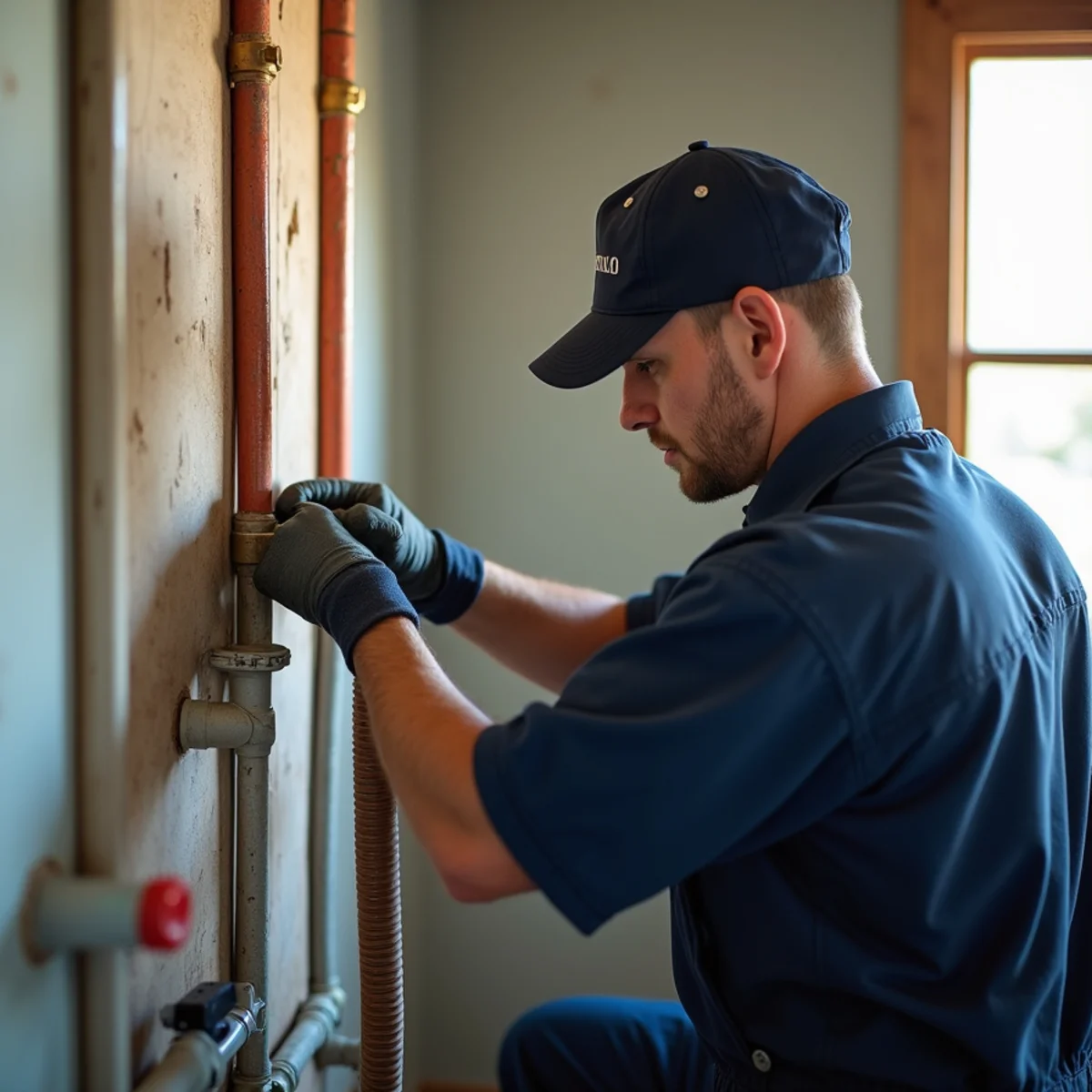
Related service
Repiping in Sacramento
Full or partial replacement of corroded, leak-prone galvanized and aging copper with modern copper or PEX water lines built to last.
Explore this servicePossible Repair & Service Approaches
- Spot replacement of a single damaged or pinholed section
- Joint and fitting repair on accessible runs
- Dielectric couplings and transition fittings between pipe types
- Partial re-run where the corrosion is localized
- Frozen and burst pipe repair once the line has thawed and the break is exposed
- Repiping referral when failures are turning up across the house
Residential
- Supply line leak and corrosion repair
- Drain and waste pipe repair
- Pinhole leak repair on copper lines
- Crawlspace and under-slab access repairs
- Frozen or burst pipe repair
- Galvanized-to-copper transition fixes
Commercial
- Tenant and common-area pipe repair
- Restaurant and kitchen line repair
- Office and retail supply repairs
- Repairs coordinated around business hours
Why Professional Help Matters
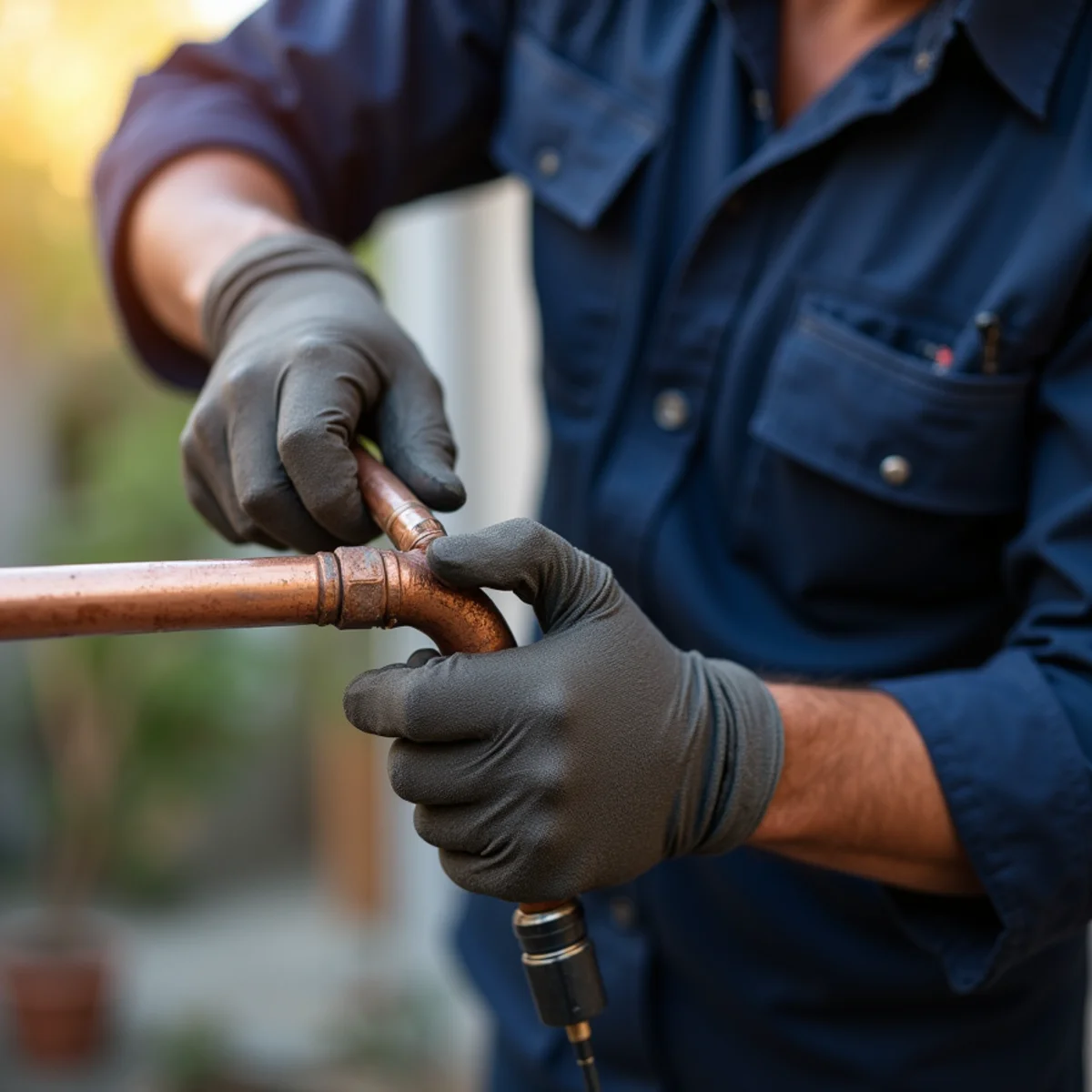
The spot you can see is often the weakest point of a longer stretch of tired pipe, and a plumber who only patches the drip may be back the next season a few feet down the line. Reading the surrounding run, matching materials correctly, and making sound joints keeps galvanic corrosion from taking hold where dissimilar metals meet, which is a common failure point when a copper repair is tied into an old galvanized system without the right dielectric fitting. There is also a judgment call in every pipe repair, whether the damage is truly isolated or a symptom of a system that is broadly corroding, and getting that read right is what saves you from paying for the same repair twice. That is exactly the difference between a one-time fix and a leak that keeps moving down the pipe.

Related service
Leak Detection in Sacramento
Pinpointing hidden water leaks behind walls, under floors, and beneath slabs with acoustic and thermal methods, before they turn into major damage.
Explore this servicePipe Repair in the Sacramento Area
A large share of Sacramento's older housing stock still runs on the original galvanized supply lines, which corrode from the inside out, choking down flow and eventually seeping at the threads or shedding rust into the water. When we open one of these to chase a leak, we routinely find the same interior scaling a foot or two away, which is why we assess the whole run rather than just the wet spot. Copper installed in the mid-century decades has its own failure mode here, with the region's water chemistry and high pressure working pinholes through the pipe wall over time. Add the occasional hard freeze that catches exposed garage and crawlspace lines, and the expansive clay soil that shifts under-slab pipe with the seasons, and the honest answer is sometimes a spot repair and sometimes a planned repipe, which is the guidance we give based on what the pipe actually shows.
Why Choose Bridelyra Plumbers
- Problem-first diagnosis before recommending work
- Clear explanation of the options and next steps
- Respectful service in homes and businesses
- Solutions matched to your actual plumbing system
- Convenient phone and online contact
- 130 customer reviews
Frequently Asked Questions
Often, yes. A spot repair is the right move when the damage is isolated to one spot. But if the pipe on either side shows the same corrosion, we will tell you plainly so you can weigh a broader fix instead of paying for the same repair twice a few feet down the line.
Rust-tinted water usually points to corroding galvanized pipe shedding from the inside. It is a sign the interior is breaking down, and it is worth evaluating before that corrosion thins the wall enough to open into an actual leak.
A combination of water chemistry, sustained high pressure, and age can eat tiny perforations through the copper wall, and older galvanized steel is even more prone to it. They are small but persistent, and because they hide behind finishes and feed mold quietly, they are worth repairing promptly once found.
It depends on where the pipe is and how much has to come out. An accessible section in a garage or crawlspace is at the lower end, while a leak inside a finished wall costs more because of access and patching, and a corroded galvanized run that has to be partly replaced is more again. Once we see the damage, you get an upfront service recommendation rather than a guess.
When leaks keep surfacing in different spots and the piping is broadly corroded, a string of individual repairs ends up costing more than one planned repipe, and each fix only moves the next failure down the pipe. We give upfront service recommendations on where that line falls for your particular home rather than defaulting to the bigger job.
Yes. Joining dissimilar metals, such as copper to galvanized steel, without the right fitting invites galvanic corrosion right at the connection. Proper dielectric or transition couplings prevent that, and using them is simply part of a repair done correctly.
Usually, yes, once the line has thawed and the split is exposed. We shut off and drain the affected line, cut out the damaged section, and replace it with material suited to the run, then check the surrounding pipe, since a freeze hard enough to split one spot has often stressed the pipe nearby.