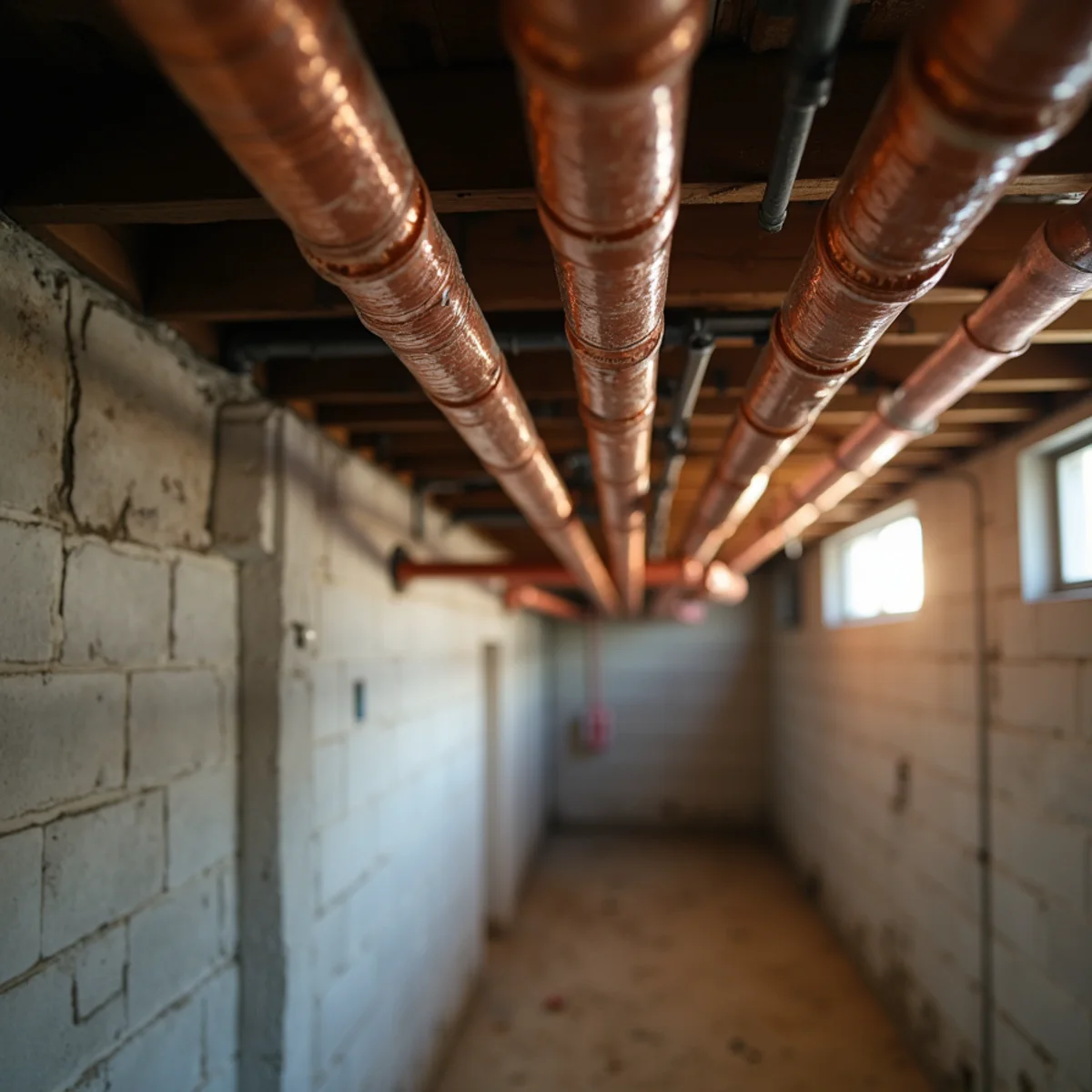
What Water Hammer Really Is
Water in a pipe is heavier and faster than it feels, and moving water carries momentum. When a valve slams shut, that flow stops almost instantly and the energy has nowhere to go, so it fires off a pressure wave that races back through the line and hammers against pipe walls and fittings.
That wave is the bang you hear. Fast-closing valves are the usual triggers, which is why the solenoid valves inside washing machines, dishwashers, and some water softeners are prime suspects. They cut the flow in a fraction of a second, far faster than any hand turning a faucet, so the pressure spike is sharper.
Telling Water Hammer From Other Pipe Noises
Not every noise in the walls is water hammer, and matching the sound to the cause saves you from chasing the wrong fix. A single loud bang the instant water shuts off is classic hammer. A rattle or repeated knock while water is running usually means a loose pipe vibrating against framing. A high whistle or hiss points to high pressure squeezing through a partly closed valve or a worn washer.
A ticking or creaking that follows hot water, on the other hand, is often just thermal expansion, copper pipe swelling as it warms and rubbing where it passes through wood. That one is harmless even if it is annoying. Reading the sound and its timing tells you which of the sections below applies.
- One sharp bang right when a valve closes: water hammer
- Rattling or knocking while water flows: loose, unsecured pipe
- Whistling or hissing: high pressure or a worn valve washer
- Ticking after hot water runs: harmless thermal expansion
Air Chambers and Arrestors
Many homes were built with air chambers, short vertical stubs of pipe near the fixtures that cushion the shock with a trapped pocket of air. Over the years that air slowly dissolves into the water, the chamber fills, and the cushion disappears, so hammer that a house never used to make can show up on its own.
Modern water-hammer arrestors do the same job with a sealed piston or bellows that cannot waterlog. Fitting arrestors near the fixtures that bang, especially at the washing machine and dishwasher connections where the sharpest valves live, is a reliable, lasting fix rather than a temporary one.
- Waterlogged air chambers lose their cushion over time
- Draining the system recharges an air chamber, but only for a while
- Mechanical arrestors solve it for the long term
- Arrestors at the washer and dishwasher target the worst offenders
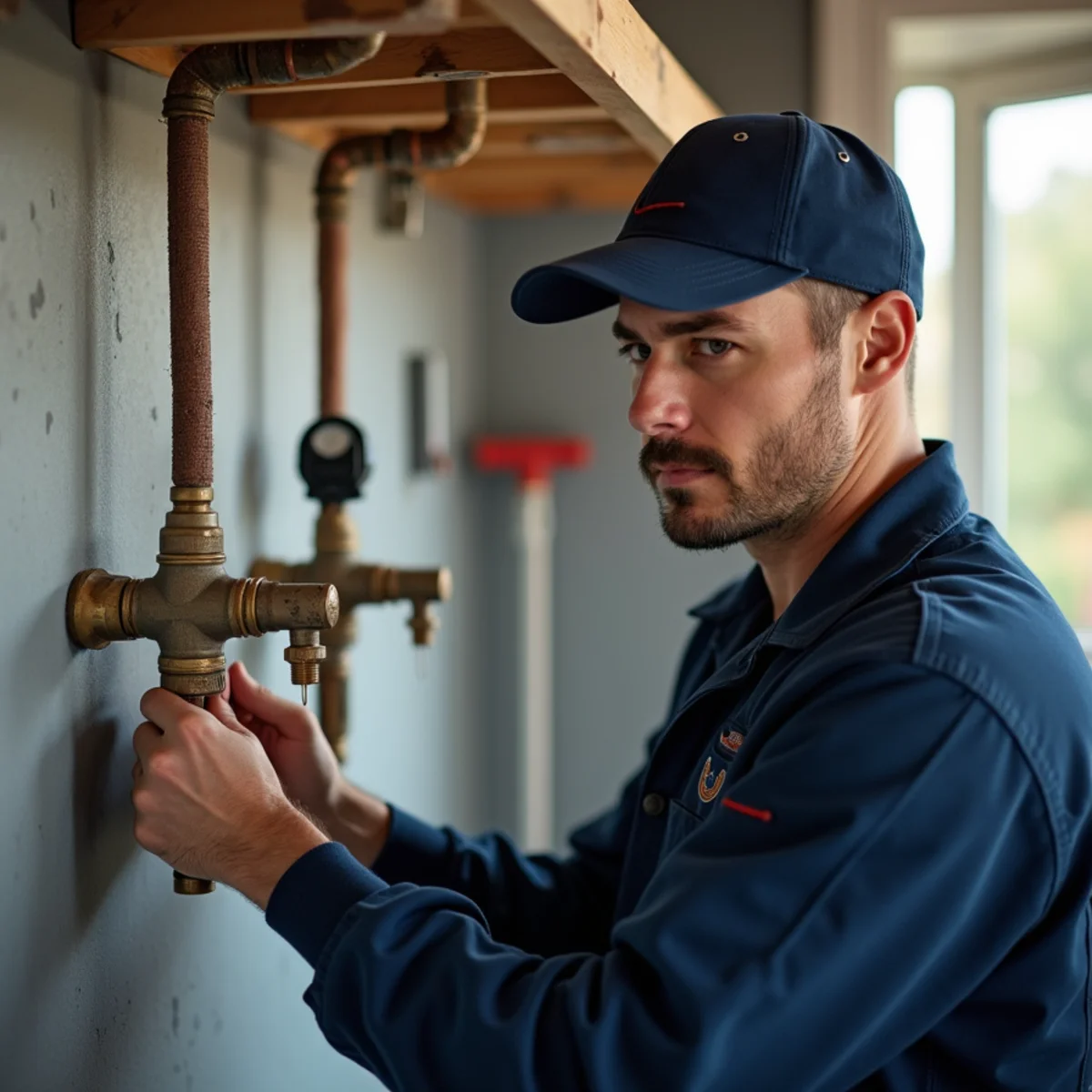
Related service
Water Pressure Repair in Sacramento
Diagnosis and repair for low water pressure, high pressure, water hammer, and uneven flow throughout the home.
Explore this serviceLoose Pipes and High Pressure
A pipe that is not strapped down tightly can rattle against framing whenever water surges through it, producing a rattling or thudding sound rather than one clean bang. Cushioned clips or fresh straps where the pipe crosses a stud usually settle it.
High household pressure makes every version of this worse. Plumbing is generally happiest in the range of about 40 to 60 psi, and pressure much above 80 psi accelerates the flow and sharpens every shock. If your pressure runs high, a properly set pressure-reducing valve calms the whole system and protects your fixtures, hoses, and appliances at the same time. Many older Sacramento homes never had a regulator, or have one that has quietly failed, so it is worth checking.
Tracking Down Which Fixture Is Behind It
Because the fix often lives right at the noisy fixture, a little detective work helps. Run each appliance and faucet one at a time and note exactly when the bang happens. If it lands the moment the washing machine or dishwasher stops filling, that valve is your source and an arrestor there is the answer.
If the noise shows up no matter which fixture you use, the cause is more likely system-wide high pressure or waterlogged chambers rather than one bad valve. Knowing which pattern you have tells you whether the job is a targeted arrestor or a whole-house pressure correction.
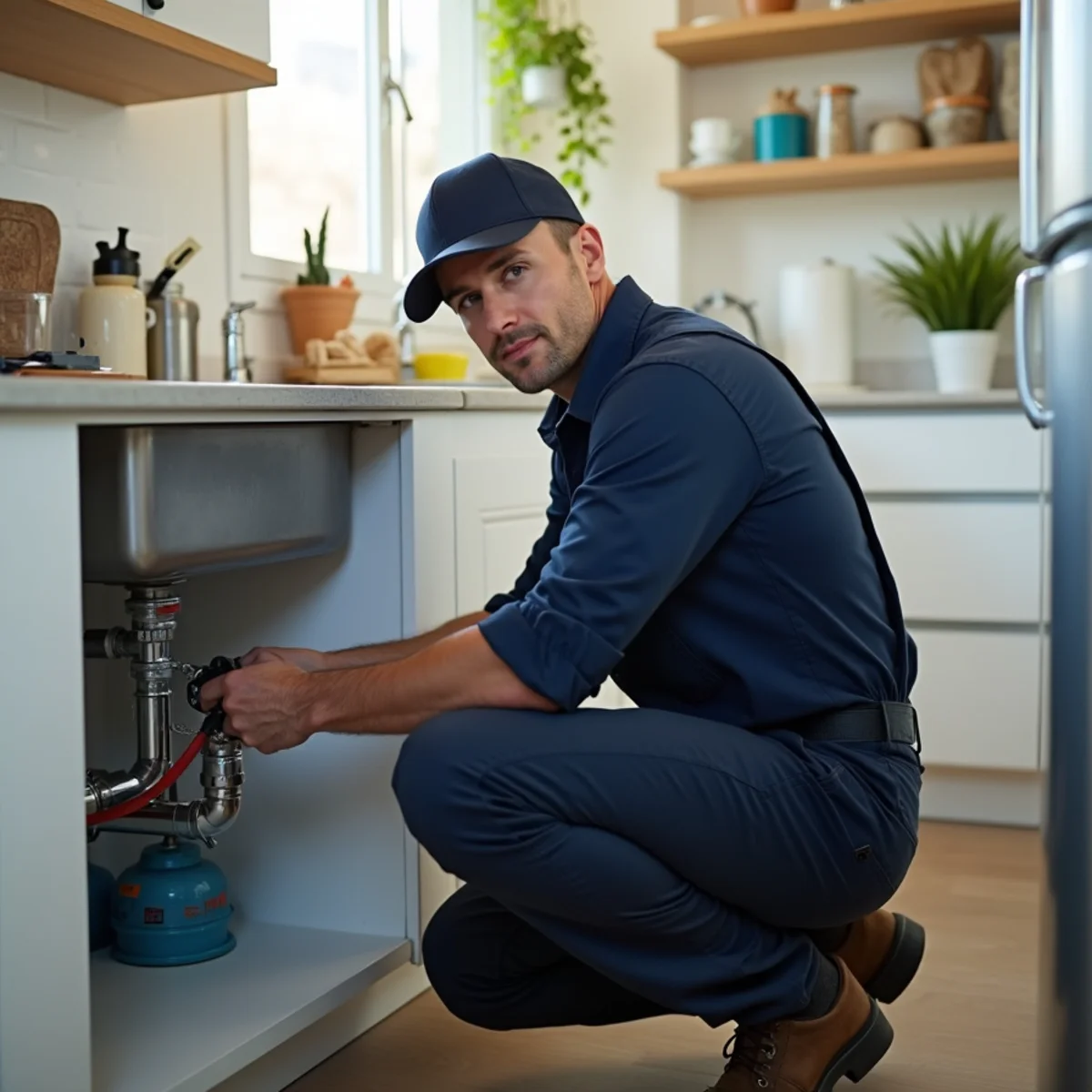
Related service
Plumbing Repair in Sacramento
Diagnosis and repair for the everyday leaks, drips, running toilets, and low-pressure complaints that quietly wear down a Sacramento home's plumbing.
Explore this serviceA Reset You Can Try Yourself
To recharge waterlogged air chambers, close the main shutoff, then open the highest faucet in the house and the lowest one and let the lines drain completely. Once the water stops, close the faucets and turn the main back on, letting each fixture sputter and run clear.
That draws fresh air back into the chambers. It is a safe, no-tools reset that costs nothing to try. If the banging comes right back within a few days, the chambers are likely undersized, missing, or the real cause is elsewhere, which is where mechanical arrestors or a professional assessment come in.
When to Call a Plumber
Persistent banging, especially alongside high measured pressure, is worth handling before it loosens a joint or sets up a slow leak inside a wall. A plumber can measure your pressure, install arrestors at the right points, strap down loose runs, and confirm the regulator is actually doing its job.
For water hammer that keeps returning after the resets above, reach Bridelyra Plumbers at +1 (207) 419-2600 to have the cause identified and corrected.
Frequently Asked Questions
Over time it can be. Repeated pressure shocks work on joints, fittings, and appliance connections, and in older Sacramento systems that added strain can loosen a joint or help start a leak, so quieting it protects your plumbing.
Air chambers gradually waterlog and lose their cushion, or your household pressure may have crept up. A newly installed washer, dishwasher, or other appliance with a fast-closing valve can also introduce hammer that simply was not there before.
Timing is the tell. Water hammer is a single sharp bang at the instant a valve closes, while a loose pipe rattles or knocks while water is actually flowing. A tick that follows hot water is usually harmless thermal expansion, not hammer.
Sometimes. Draining and recharging the air chambers is a safe reset anyone can try, and a homeowner can often add an arrestor at a washing machine hose. If the noise persists or your pressure reads high, correcting the pressure and placing arrestors is best left to a professional.
Bridelyra Plumbers Editorial Team
Reviewed for practical accuracy by our plumbing team
Published October 20, 2025 · Updated February 24, 2026