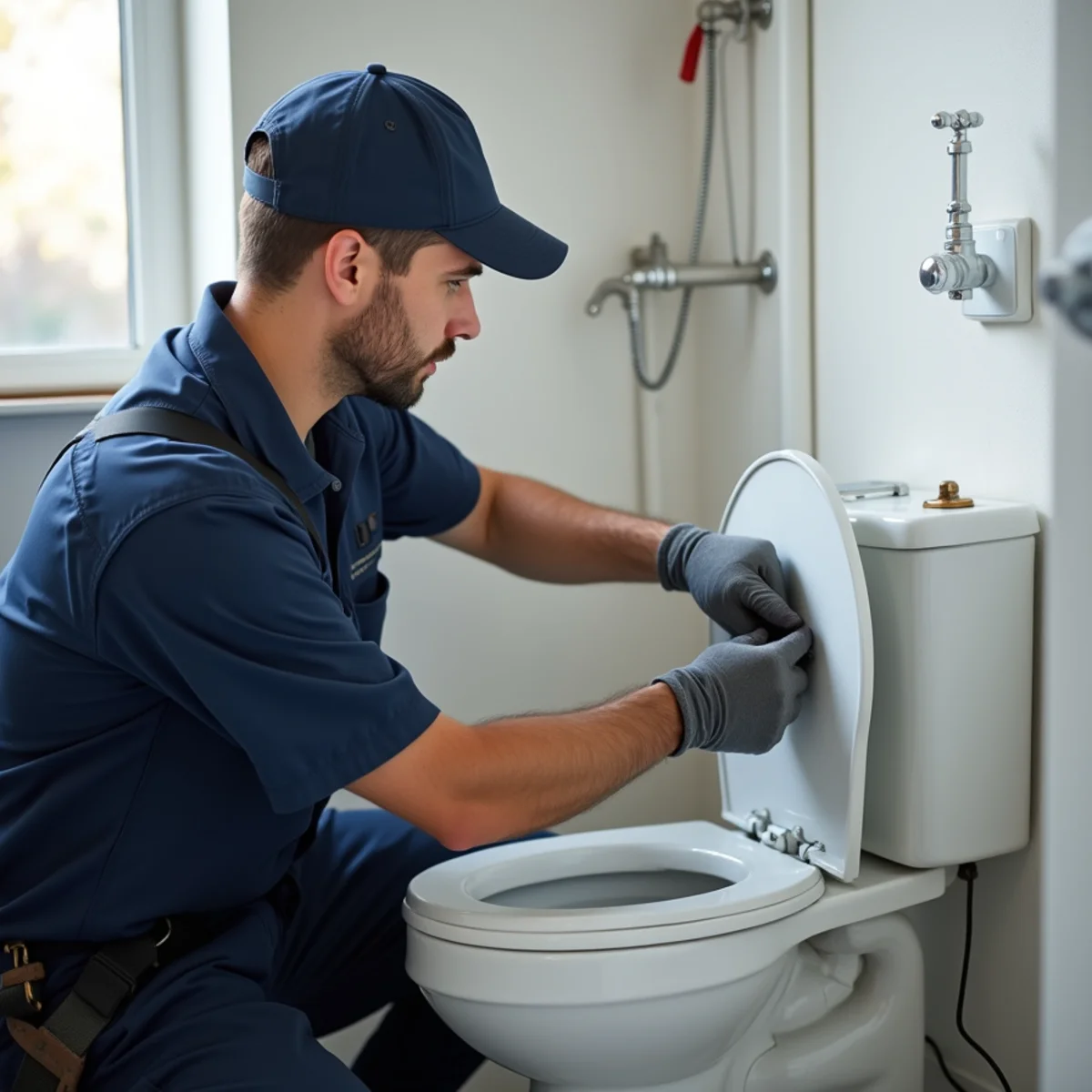
Symptoms and Warning Signs
- A toilet that runs, or refills on its own between flushes
- Water pooling or seeping around the base after a flush
- A weak or incomplete flush that needs a second pull
- A toilet that rocks or feels loose on the floor
- A constant trickle running down the inside of the bowl
- A hiss or intermittent refill from the tank when no one is using it
- A low water level left standing in the bowl
- Condensation sweating on the outside of the tank
- A sewer or septic odor lingering near the base
- Frequent clogging or slow, lazy bowl drainage
Common Causes
- A worn flapper or a flush valve seal no longer sealing the tank
- A failing or misadjusted fill valve and float assembly
- A failed wax ring letting the base seal leak
- Loose or corroded closet bolts and a worn or cracked floor flange
- Hard-water mineral buildup choking the rim flush jets
- A partial clog sitting in the trap way or the branch line
- A hairline crack in the tank or bowl of an older fixture
- A deteriorated tank-to-bowl gasket weeping between the two
- High household water pressure stressing the fill valve
- A cracked or blocked vent letting the bowl siphon down
What to have ready when you contact us
Our Inspection & Diagnostic Process
- 1Inspect the tank internals, the base seal, the flange, and the supply connection
- 2Add tint to the tank water to confirm whether the flapper is leaking into the bowl
- 3Pin down whether the fault is a worn part, a failed seal, or a clog
- 4Lay out repair versus replacement where the fixture age or a crack warrants it
- 5Replace the worn components, or pull and reset the toilet on a fresh wax ring
- 6Re-secure the closet bolts and shim the base so the fixture sits solid
- 7Test the flush, the refill shutoff, and check the base stays dry under normal use
Related service
Plumbing Repair in Sacramento
Diagnosis and repair for the everyday leaks, drips, running toilets, and low-pressure complaints that quietly wear down a Sacramento home's plumbing.
Explore this servicePossible Repair & Service Approaches
- Full tank rebuild with flapper, fill valve, and flush valve for a running toilet
- Fill valve and float adjustment to correct water level and refill
- Wax-ring replacement and base reseal
- Flange repair or a flange extender for a floor built up with tile
- Closet-bolt and shim work to stop a rocking fixture
- Tank-to-bowl gasket and bolt replacement for a mid-toilet leak
- Flush-jet and siphon-jet descaling to bring back a weak flush
- Bowl and branch clog clearing with an auger
- Replacement guidance toward a comfort-height or high-efficiency toilet when repair is not worth it
Residential
- Running and leaking toilet repair
- Wax-ring and base-leak fixes
- Weak-flush and clog repair
- Loose and rocking toilet stabilization
- Fill-valve and flapper replacement
- High-efficiency and comfort-height replacement guidance
Commercial
- Office and retail restroom toilet repair
- High-use fixture maintenance
- Flushometer and commercial toilet service
- Wall-hung and tankless flush-valve repair
- Multi-tenant and multi-stall restroom repairs
Why Professional Help Matters
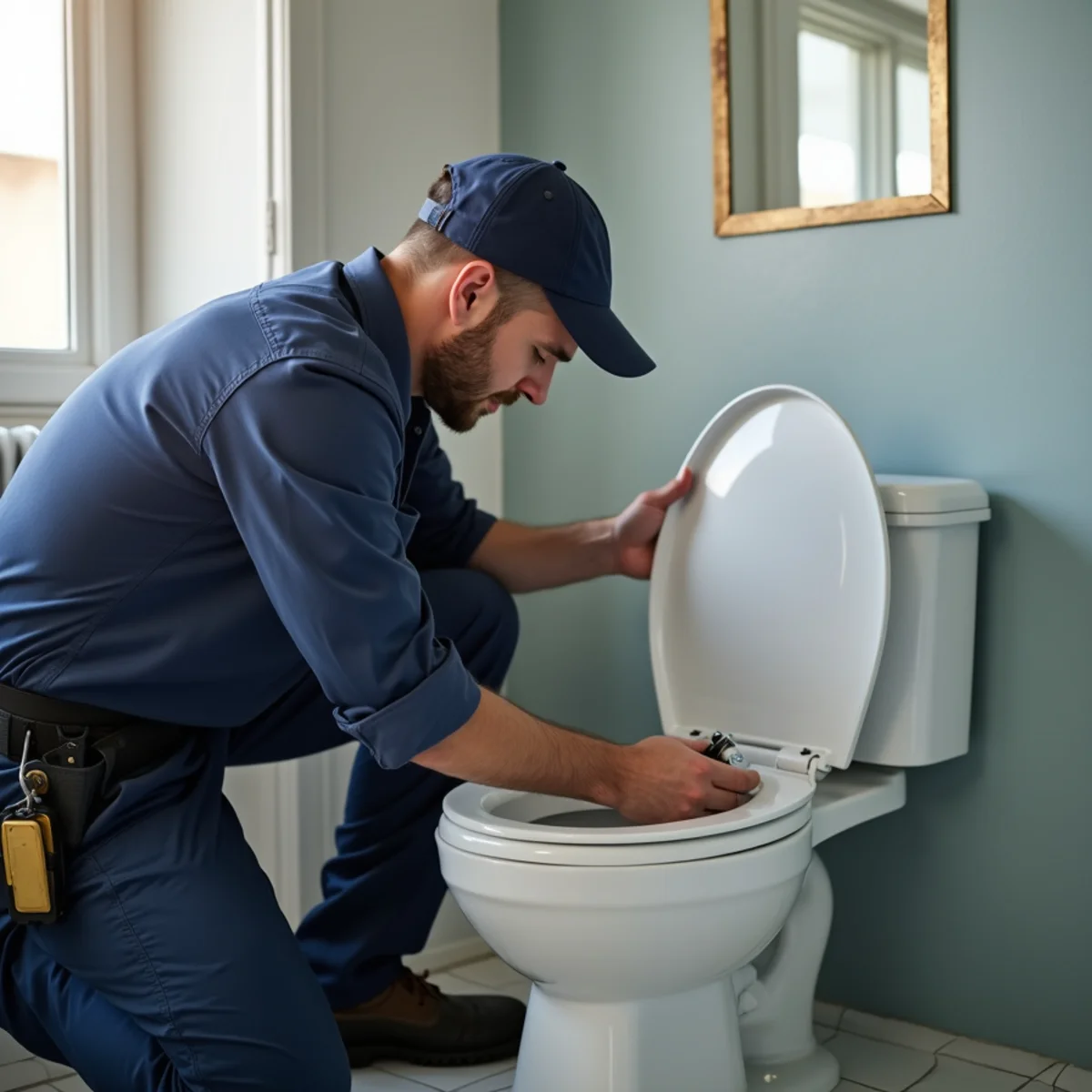
A running toilet is easy to tune out and costly to leave alone, since a worn flapper can quietly pass a few hundred gallons a day into the bowl. A base leak is worse, because the damage hides under the fixture until the flooring gives. A skilled plumbing technician can tell a simple flapper swap from a failing flange, dye-test the tank to confirm where the water is going, and reset the toilet on a fresh wax ring so the base seals dry. On older Sacramento homes with settled floors and flanges sitting below a built-up tile surface, that distinction is what saves both the water and the subfloor beneath the bowl.
Related service
Clogged Drain Repair in Sacramento
Prompt clearing of stubborn sink, tub, shower, and toilet clogs that a plunger and store-bought chemicals cannot touch, with the cause tracked down.
Explore this serviceToilet Repair in the Sacramento Area
Sacramento's hard water lays down mineral deposits that clog the rim and siphon-jet passages and wear out fill valves and flappers faster than average, so running and weak-flushing toilets are among the most common local complaints. In the city's older central-city and Land Park era homes, an original cast-iron flange over a floor that has settled tends to leave the toilet rocking, and that motion works the wax seal loose and invites the slow base leaks we reset all the time. Where a bathroom has been retiled over the years, the flange can end up below the new floor height, which is exactly the situation a flange extender is made to fix.
Why Choose Bridelyra Plumbers
- Problem-first diagnosis before recommending work
- Clear explanation of the options and next steps
- Respectful service in homes and businesses
- Solutions matched to your actual plumbing system
- Convenient phone and online contact
- 130 customer reviews
Frequently Asked Questions
Most often a worn flapper or a failing fill valve is letting water slip past, so the tank keeps topping itself off. These are inexpensive parts, and swapping the right one usually stops the constant waste, which shows up quickly on a Sacramento water bill.
A steadily running toilet can pass on the order of a couple hundred gallons a day, and a worse leak considerably more. That adds up fast on a metered bill, which is why a running toilet is worth fixing promptly rather than living with the sound.
It can be. A leaking wax ring lets water seep under the toilet and into the subfloor, where it rots wood you cannot see and can reach a ceiling below on a second floor. It is worth resetting the fixture on a fresh ring promptly, before the floor around it starts to give.
Hard-water buildup in the rim and siphon-jet passages, a flapper closing too early, a low tank water level, or a partial clog can each rob a flush of power. We find which one it is, descale the jets or replace the part, and get a full flush back.
If the trouble is internal parts or the base seal, repair is usually the better value. If the bowl or tank is cracked, or the fixture is old and uses far more water per flush than a modern one, replacement often makes more sense, and we give an upfront recommendation either way.
Loose closet bolts, a worn or cracked flange, or a floor that has settled unevenly all let a toilet rock, and that motion stresses the wax seal until it leaks. Shimming and re-securing the fixture stops the movement and protects the seal.
A odor at the base usually points to a broken wax seal or a venting problem letting sewer gas escape around the fixture rather than up the vent. Resetting the toilet on a fresh seal, and checking the flange and vent, is what clears it.
Cold water filling the tank against warm, humid bathroom air causes condensation to bead on the outside and drip to the floor, which can look like a leak. It is most common in warmer months, and options range from a fill-cycle adjustment to an insulated tank or a mixing valve.
Most common toilet repairs, such as a flapper, fill valve, or wax-ring reset, fall in a modest range for parts and labor, while a full replacement costs more. We look at your fixture and give a clear price before any work, so you can weigh repair against replacement.