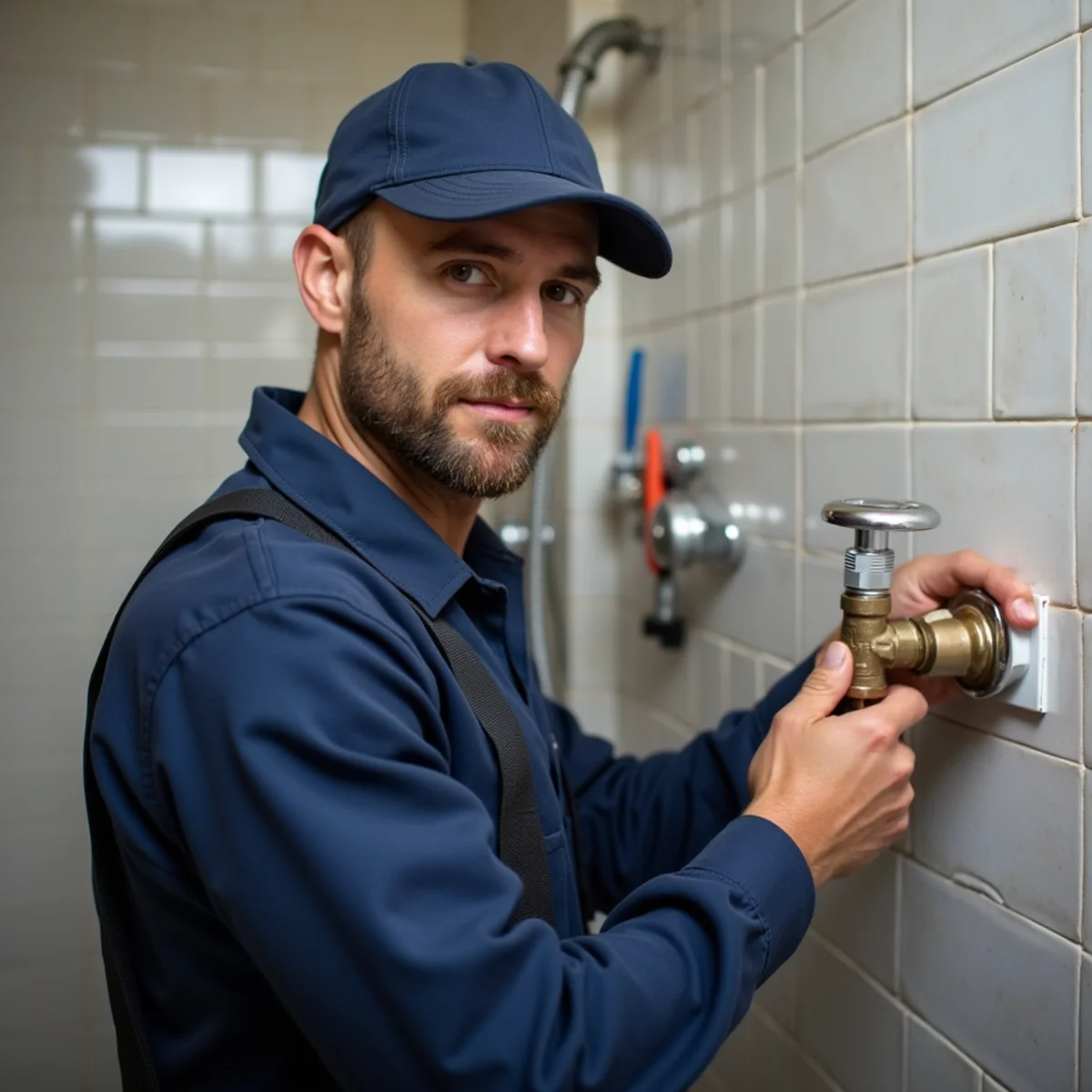
Symptoms and Warning Signs
- Water temperature that swings hot and cold mid-shower
- Scalding or no hot water when another fixture runs
- Weak, uneven, or split spray from the showerhead
- A tub or shower that drains slowly and leaves standing water
- A showerhead or tub spout that keeps dripping after you shut it off
- A diverter that will not send flow fully to the head
- A water stain, soft spot, or bubbling paint on the ceiling below the bathroom
- Loose or missing grout and caulk at the tub or shower base
- A tub that will not hold water because the stopper leaks
- A musty smell or mildew that keeps returning at a wall seam
Common Causes
- Worn shower-valve cartridges, seals, and springs
- A failed or missing pressure-balance or thermostatic valve mechanism
- Hard-water scale clogging the showerhead and spray passages
- Hair, soap, and mineral scale binding into a clog in the tub or shower drain
- A failing diverter, tub-spout, or transfer valve
- A worn tub drain shoe, overflow gasket, or waste-and-overflow seal
- A cracked shower pan or failed grout and caulk letting water past the surface
- Deteriorated valve or supply seals leaking behind the wall
- Corroded supply connections and old galvanized nipples in the wall cavity
What to have ready when you contact us
Our Inspection & Diagnostic Process
- 1Assess how the fixture, valve, diverter, and drain are behaving
- 2Isolate whether a ceiling leak comes from the valve, the drain, or the surface and grout
- 3Locate the hidden leak where the symptoms point, using an access panel where possible
- 4Shut off the supply and access the failing part with the least tile disturbance
- 5Repair or replace the valve cartridge, diverter, drain, or fixture
- 6Reseal the drain and re-caulk the joints that keep surface water out
- 7Test temperature, pressure balance, spray, and drainage before closing up
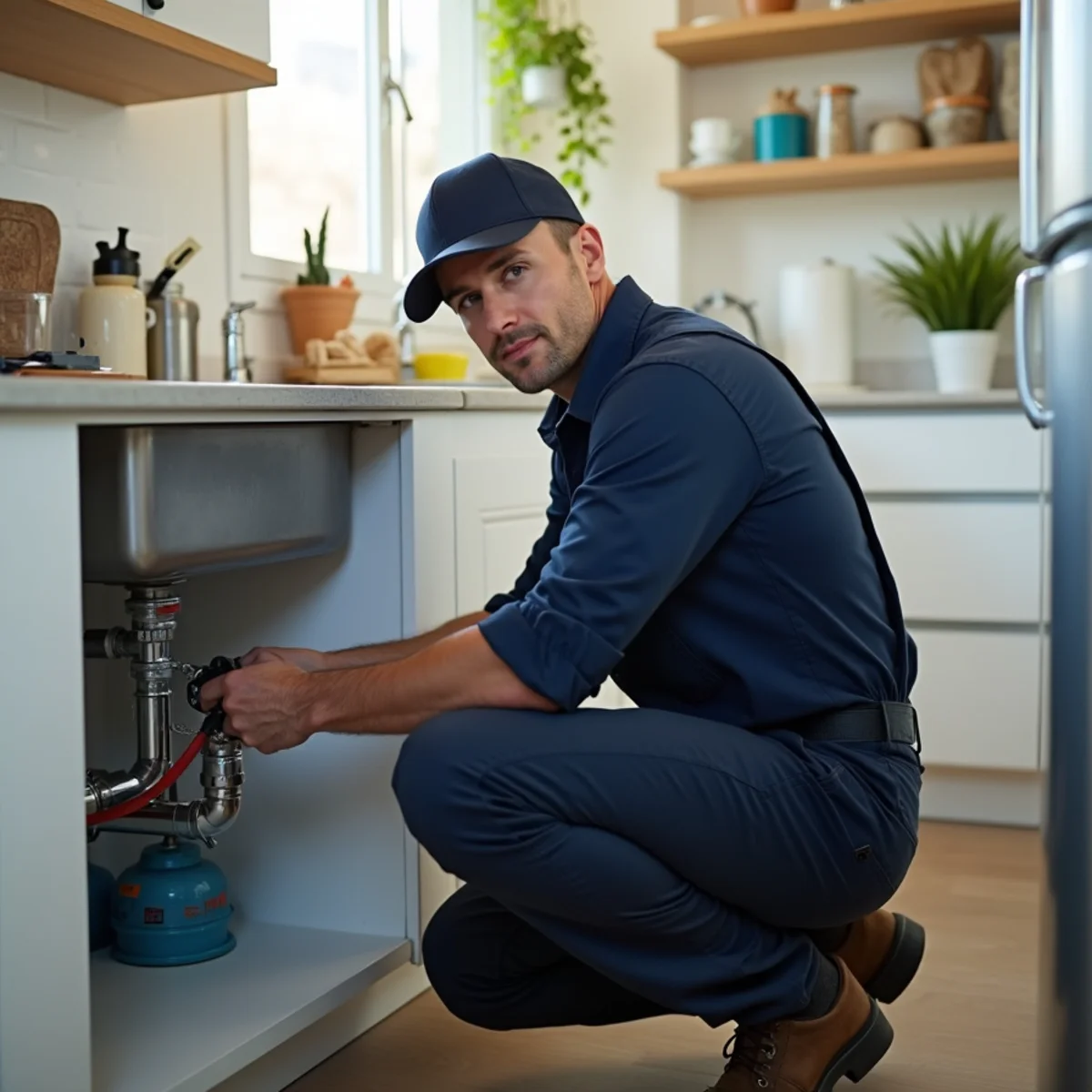
Related service
Plumbing Repair in Sacramento
Diagnosis and repair for the everyday leaks, drips, running toilets, and low-pressure complaints that quietly wear down a Sacramento home's plumbing.
Explore this servicePossible Repair & Service Approaches
- Shower-valve cartridge and pressure-balance repair
- Thermostatic and anti-scald valve service
- Diverter, transfer-valve, and tub-spout repair
- Showerhead and hand-shower descaling and replacement
- Tub waste-and-overflow and drain-shoe reseal
- Tub and shower drain clearing
- Trip-lever and pop-up tub stopper repair
- Hidden-leak location behind tile with minimal-access repair
- Grout, caulk, and shower-pan leak assessment
Residential
- Shower-valve and temperature repair
- Anti-scald and pressure-balance valve service
- Tub-spout and diverter fixes
- Tub drain and stopper repair
- Slow tub and shower drain clearing
- Showerhead and hand-shower flow restoration
Commercial
- Gym, pool, and locker-room shower repair
- Multi-unit and hotel bathing-fixture service
- Anti-scald valve compliance repair
- High-use shower-valve maintenance
Why Professional Help Matters
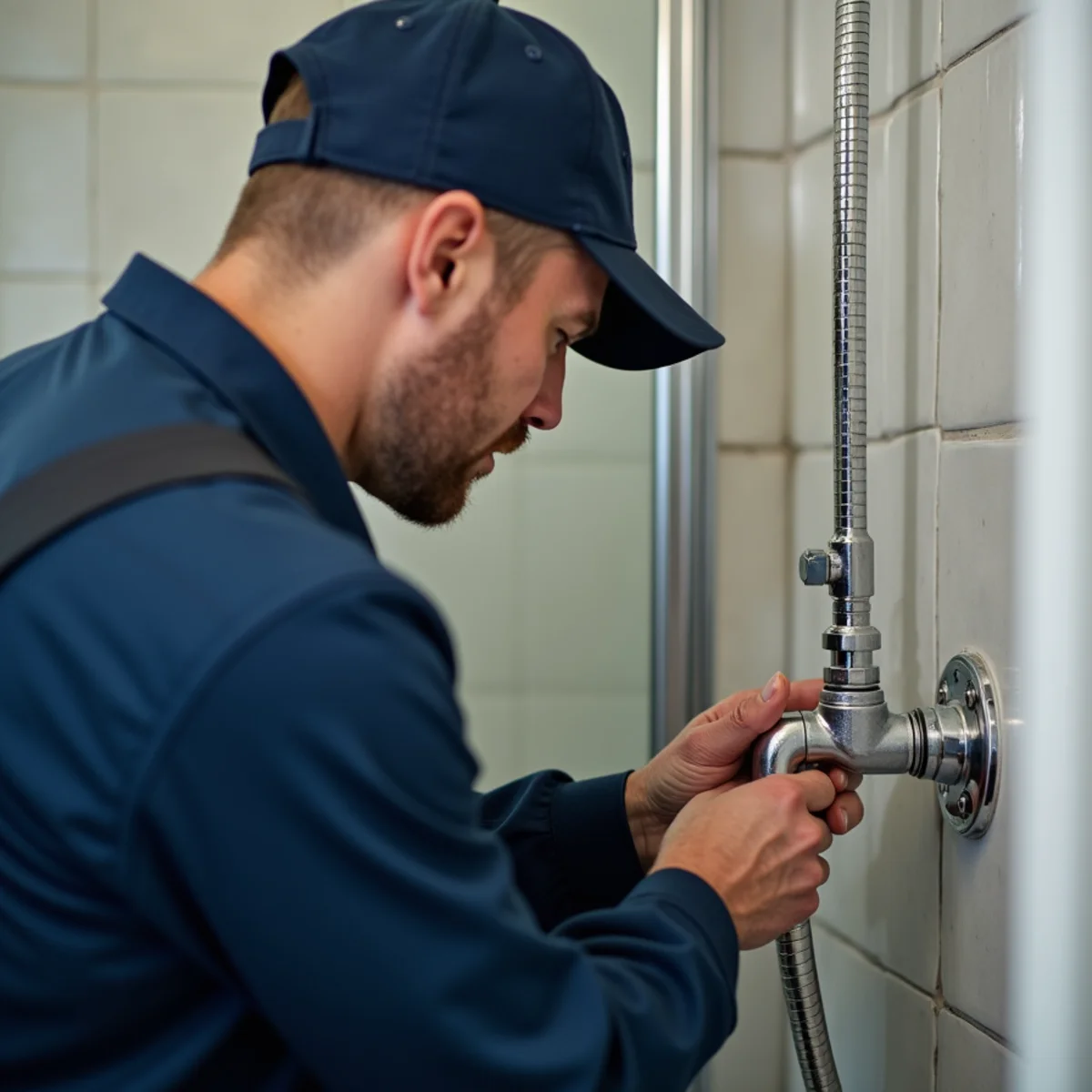
Because so much shower and tub plumbing lives behind tile and framing, a wrong guess means opening a wall you never needed to touch, and matching original tile is rarely easy. A skilled plumbing technician reads the symptoms, isolates whether the water is coming from the valve, the drain, or the surface, and accesses the right spot, so a temperature or flow problem gets fixed at the valve instead of masked. A worn pressure-balance valve is also a scald risk, so getting that mechanism right is about safety as much as comfort, and it protects both the tilework and the structure behind it.
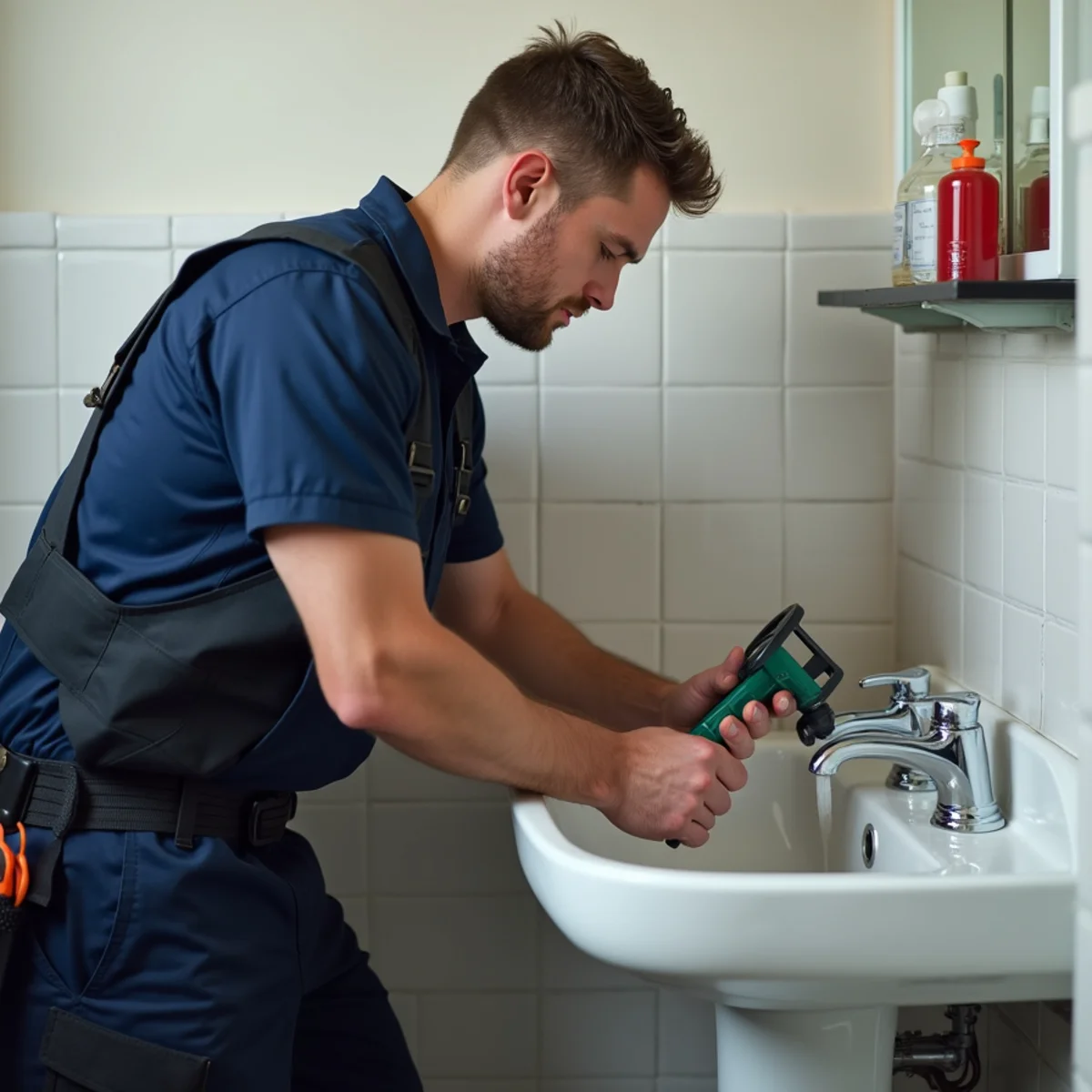
Related service
Clogged Drain Repair in Sacramento
Prompt clearing of stubborn sink, tub, shower, and toilet clogs that a plunger and store-bought chemicals cannot touch, with the cause tracked down.
Explore this serviceShower & Bathtub Plumbing in the Sacramento Area
Sacramento's hard water is especially unkind to showers, crusting heads and jets with scale and wearing the valve cartridges that then let the temperature swing. In the region's older homes, tub and shower drains pack up with the hair and soap that scale helps bind together, and hidden leaks behind vintage wall tile, often over original galvanized supply nipples, are a recurring find. That is why we locate the source carefully and look for an existing access panel before opening anything up, so a repair on a mid-century bathroom does not turn into a tile-matching project.
Why Choose Bridelyra Plumbers
- Problem-first diagnosis before recommending work
- Clear explanation of the options and next steps
- Respectful service in homes and businesses
- Solutions matched to your actual plumbing system
- Convenient phone and online contact
- 130 customer reviews
Frequently Asked Questions
A worn valve cartridge is the most common cause, sometimes made worse by pressure shifts when a toilet or another fixture draws water. Replacing the cartridge usually steadies the temperature, and on many Sacramento fixtures the scale on the old one is a big part of why it failed.
That points to a pressure-balance or thermostatic valve that is no longer compensating when another fixture runs. Beyond being uncomfortable, it is a scald risk, so we service or replace the valve mechanism to bring the anti-scald protection back.
Hard-water scale clogging the showerhead and its passages is the usual reason here. Descaling or replacing the head commonly brings back a strong, even spray, and we check the valve and the supply while we are at it in case the restriction is deeper.
Hair, soap, and scale building up in the drain and trap is the typical culprit. Clearing it restores drainage, and if it keeps coming back we can check the waste-and-overflow and the branch line for something deeper.
The trip-lever or pop-up stopper mechanism has usually worn or fallen out of adjustment, or the overflow gasket is leaking. Adjusting or replacing the stopper linkage and resealing the overflow lets the tub hold a full bath again.
It may be a failing valve seal, a loose drain or waste-and-overflow connection, or a grout, caulk, and shower-pan issue letting surface water past, rather than the pipe itself. We isolate the actual source carefully so the repair targets the real leak instead of guessing at the tile.
Not always. Many valve and cartridge repairs are done from the front, and where deeper access is needed we look for an existing panel behind the wall first and keep any opening as small as the repair allows.