Symptoms and Warning Signs
- Drains that clog again within days of a cabling
- Thick grease coating a kitchen line or main after years of cooking waste
- Several fixtures draining slowly at the same time
- Sewer odor drifting up from a line whose walls are caked over
- Sludge, scale, or a narrowed bore showing on a camera pass
- Repeat backups in a high-use home or a busy commercial kitchen
- A main line that snaking clears only briefly before it slows again
- Gurgling and sluggish drainage across the house from a grease- or scale-loaded main
- Recurring root hairs and organic film returning at the same joints
Common Causes
- Cooking grease and food waste layering the inside of the pipe
- Sacramento's hard-water minerals scaling down the pipe's diameter
- Compacted sludge, grit, and sediment settling along the bottom of the main
- Fine root hairs and organic film feeling their way in at the joints
- Years of accumulation in older laterals or heavily used lines
- A prior cabling that opened a path but left the wall buildup behind
- Soap scum and detergent film binding debris in bath and laundry lines
- High daily volume in a restaurant or multi-tenant line that never gets a rest
What to have ready when you contact us
Our Inspection & Diagnostic Process
- 1Run a camera down the line to confirm it is sound enough for jetting
- 2Locate where the heaviest deposits and any root intrusion actually sit
- 3Match the nozzle and water pressure to the pipe material and the buildup
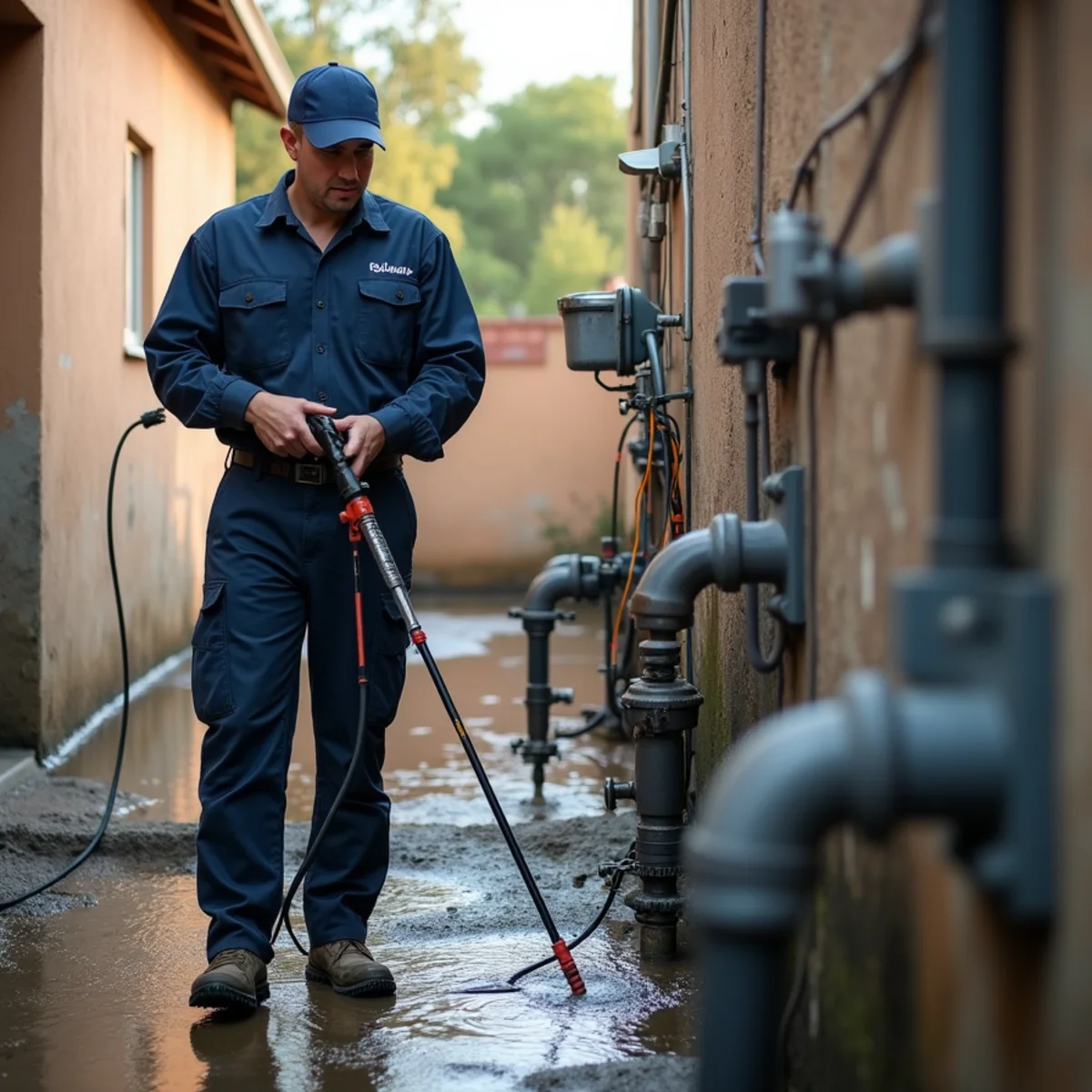
- 4Feed the jetting hose to the section carrying the heaviest deposits
- 5Scour the full pipe wall and flush the loosened debris downstream
- 6Re-camera the line to verify the full diameter is back and the walls are clean
Related service
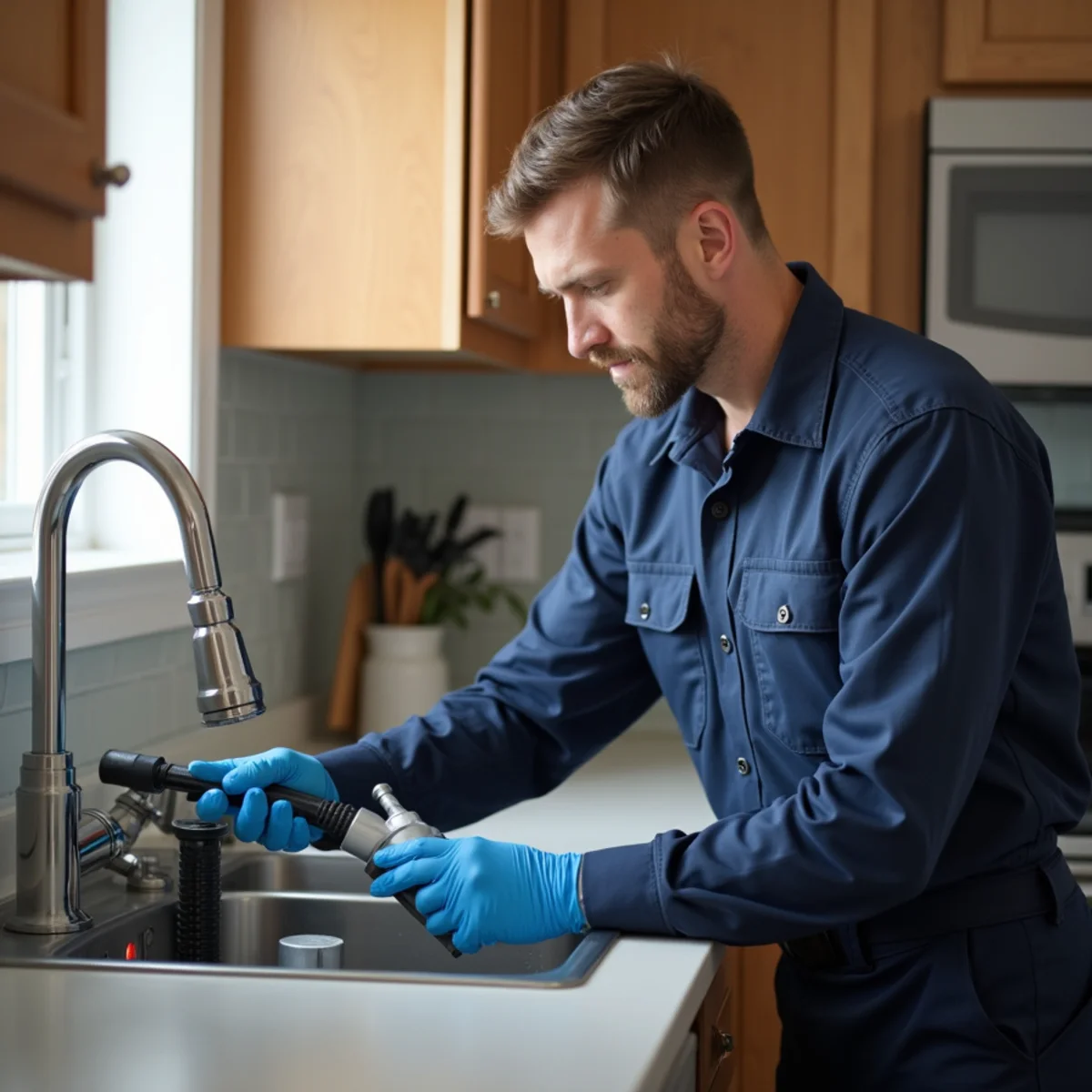
Drain Cleaning in Sacramento
Clearing slow and blocked drains at the sink, tub, shower, and floor, then confirming flow is restored to the full pipe wall.
Explore this servicePossible Repair & Service Approaches
- Kitchen and grease-line jetting for cooking-waste buildup
- Main sewer line jetting for whole-house slowdowns
- Hard-water scale and mineral removal in older pipe
- Root-hair and organic film clearing at the joints
- Laundry and floor-drain jetting for soap and lint buildup
- Camera-guided jetting aimed at the section carrying the deposits
- Scheduled preventive jetting for high-use commercial lines
Drain Snake vs. Hydro Jetting
The right method depends on the type of blockage and the condition of the pipe.
Drain Snake
Hydro Jetting
Residential
- Recurring kitchen-drain jetting
- Main-line grease and hard-water scale removal
- Whole-house slow-drain resolution
- Root-hair clearing ahead of a lasting sewer repair
- Camera-verified jetting
Commercial
- Restaurant grease-line and interceptor jetting
- High-volume floor-drain and floor-sink clearing
- Preventive maintenance jetting on a schedule
- Multi-tenant main-line service
Why Professional Help Matters
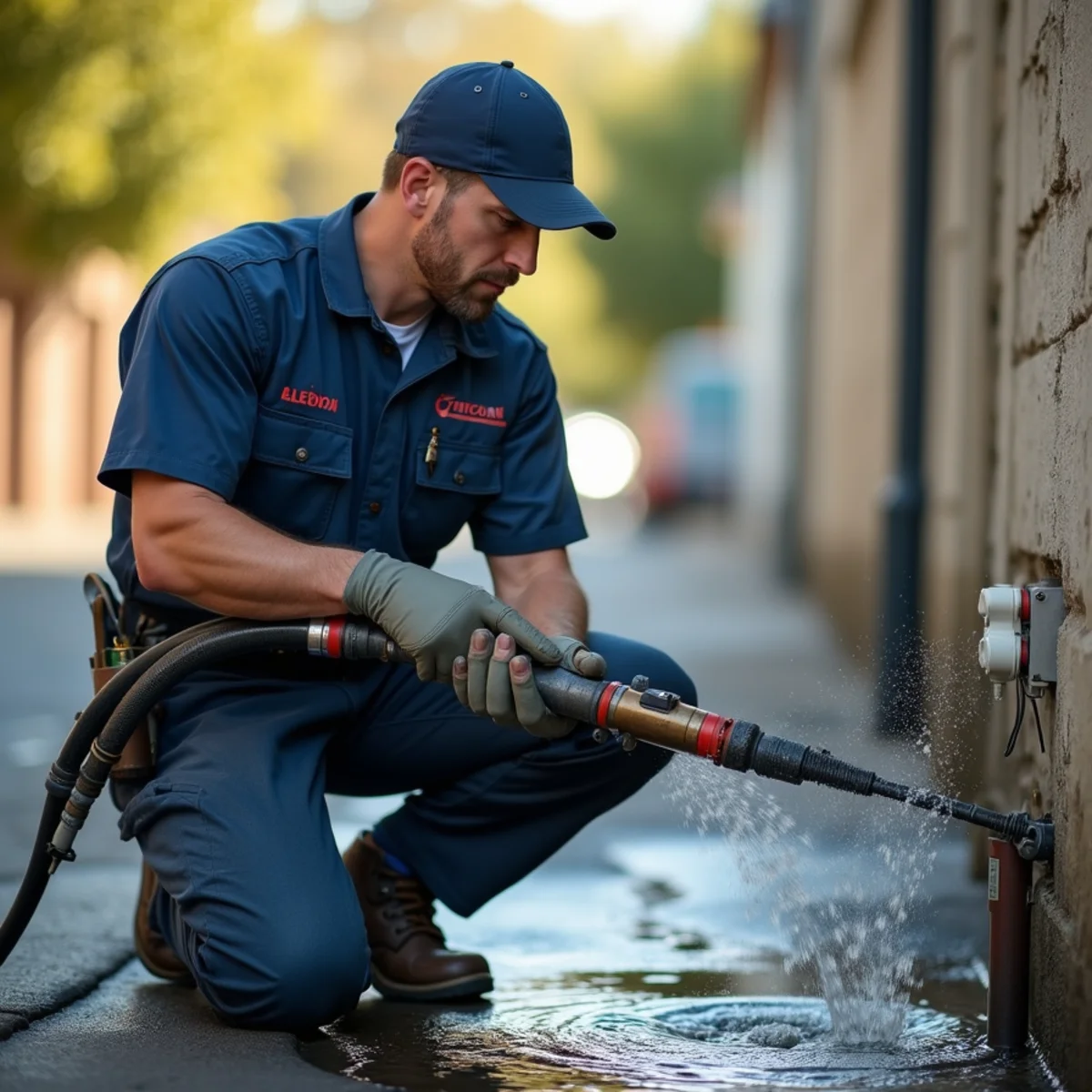
Jetting carries enough pressure to strip a pipe back to bare wall, which is exactly why it can blow out a line that is already cracked or heavily corroded, the very condition of many original cast-iron laterals under older Sacramento homes. That is what the camera pass is for: it tells a skilled plumbing technician whether the pipe can take the pressure, where the buildup actually sits, and whether a structural problem like a broken or bellied section is the real cause. Matching the nozzle and pressure to the pipe material and the deposit is its own skill, since the setting that clears a grease-loaded kitchen line is not the one you would use on fragile old pipe. On a sound line, jetting clears far more thoroughly than cabling ever will, and the wastewater it flushes back is a contamination and pressure hazard that belongs in trained hands.
Related service
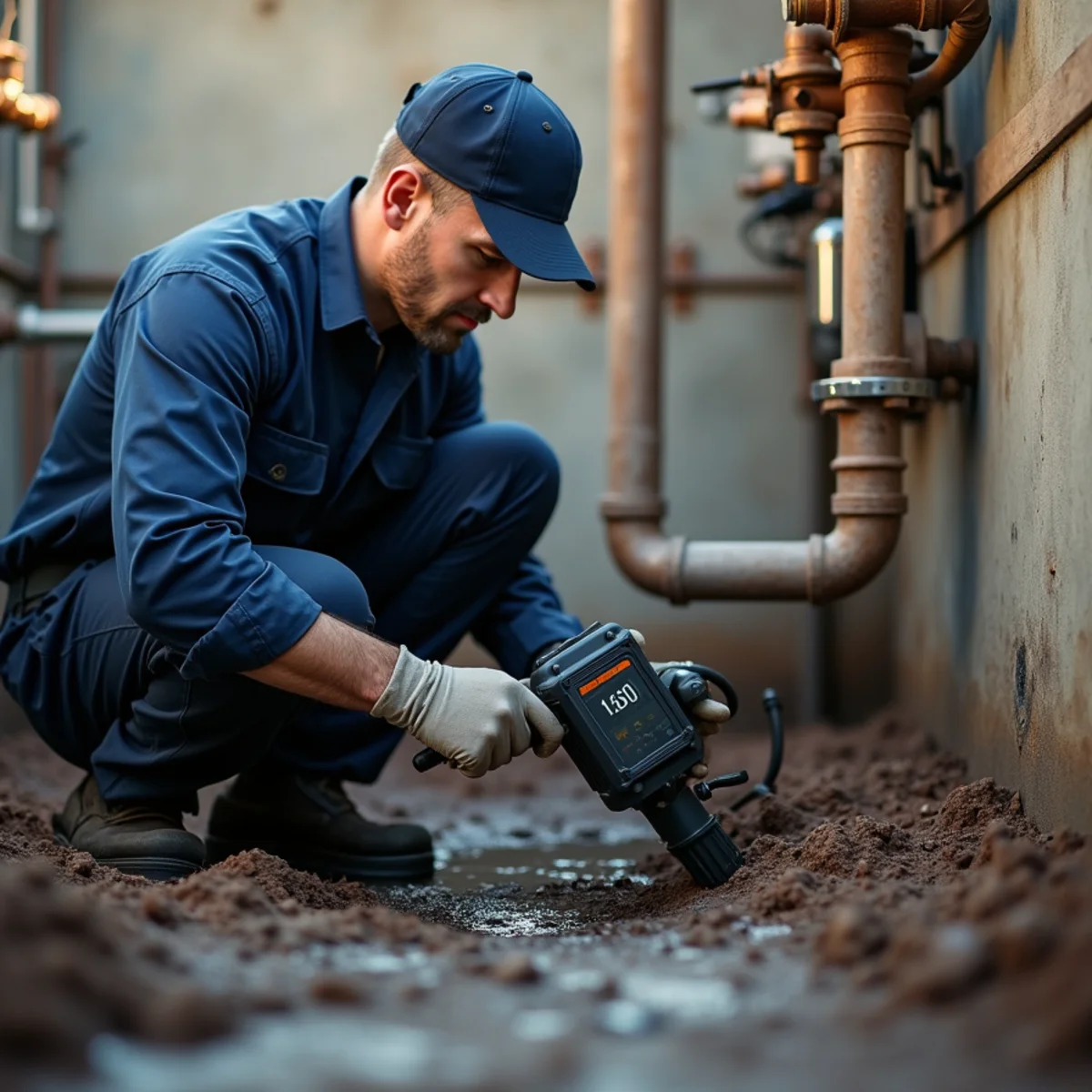
Sewer Camera Inspection in Sacramento
A recorded video look inside the sewer lateral to pinpoint root intrusion, cracks, offset joints, bellies, blockages, and true pipe condition.
Explore this serviceHydro Jetting in the Sacramento Area
Sacramento's hard water lays down mineral scale that gives grease and organic matter something to grab, so kitchen and main lines here load up in layers a cable barely scratches. The region's clay soils and mature tree canopy also send roots toward sewer laterals as a water source, and those fine root hairs and the grease they trap are a recurring reason a line slows again soon after snaking. In restaurant-dense midtown and downtown blocks, grease-heavy lines are a constant, and periodic jetting is a practical way to keep those high-use drains flowing between calls rather than waiting for the next mid-service backup. Because the pipe is scoured back toward its original diameter, jetting also buys time on the older laterals so common under central-city homes while you weigh a longer-term repair.
Why Choose Bridelyra Plumbers
- Problem-first diagnosis before recommending work
- Clear explanation of the options and next steps
- Respectful service in homes and businesses
- Solutions matched to your actual plumbing system
- Convenient phone and online contact
- 130 customer reviews
Frequently Asked Questions
A cable snake bores a hole through the middle of a clog and pulls some of it back, which is quick and often enough for a simple, isolated blockage. Hydro jetting scours the entire pipe wall with high-pressure water, so it removes the grease and scale film that lets clogs rebuild. That is why jetting gives much longer stretches between problems, while snaking is the faster fix for a single soft clog.
On sound pipe, yes. The pressure is high, so we run a camera first, since a cracked or badly corroded old cast-iron lateral can be damaged by jetting. If the line cannot take it, we tell you plainly and recommend another route rather than forcing it. Matching the pressure and nozzle to the pipe is part of doing the job safely.
It strips the wall buildup that keeps clogs coming back, which usually stretches the intervals between problems dramatically. If something structural is at work, such as a broken or bellied pipe or established root intrusion, jetting clears the line but that underlying defect still needs its own repair, which the camera pass helps us identify.
It varies with the line and the buildup. A residential drain is cleared at a far lower setting than a grease-packed commercial main, and a fragile old line lower still. Rather than a fixed number, the right pressure is the one matched to the pipe's material and condition and the type of deposit, which is one more reason the camera assessment comes first.
A great deal. Grease-heavy commercial lines re-coat quickly under daily volume, and a scheduled jetting keeps them clear so you avoid the backup that shuts a kitchen down in the middle of a dinner rush. For many food-service operators, a maintenance rhythm costs less than the downtime a single mid-service backup causes.
It depends on which line is being cleared, how heavy and how far down the buildup sits, the pipe's condition, and whether a camera inspection is part of the visit. A single accessible residential line sits at the lower end, while a heavily loaded main or a grease-packed commercial line runs higher. Once the line and the buildup are known, a skilled plumbing technician gives an upfront service recommendation rather than a number sight unseen.
Yes. We re-camera the pipe to confirm the full diameter is restored and the walls are genuinely clean, not just opened up in the center. That verification is also how we catch any structural defect the buildup was hiding, so you know what, if anything, still needs attention.