Grease Is the Ringleader
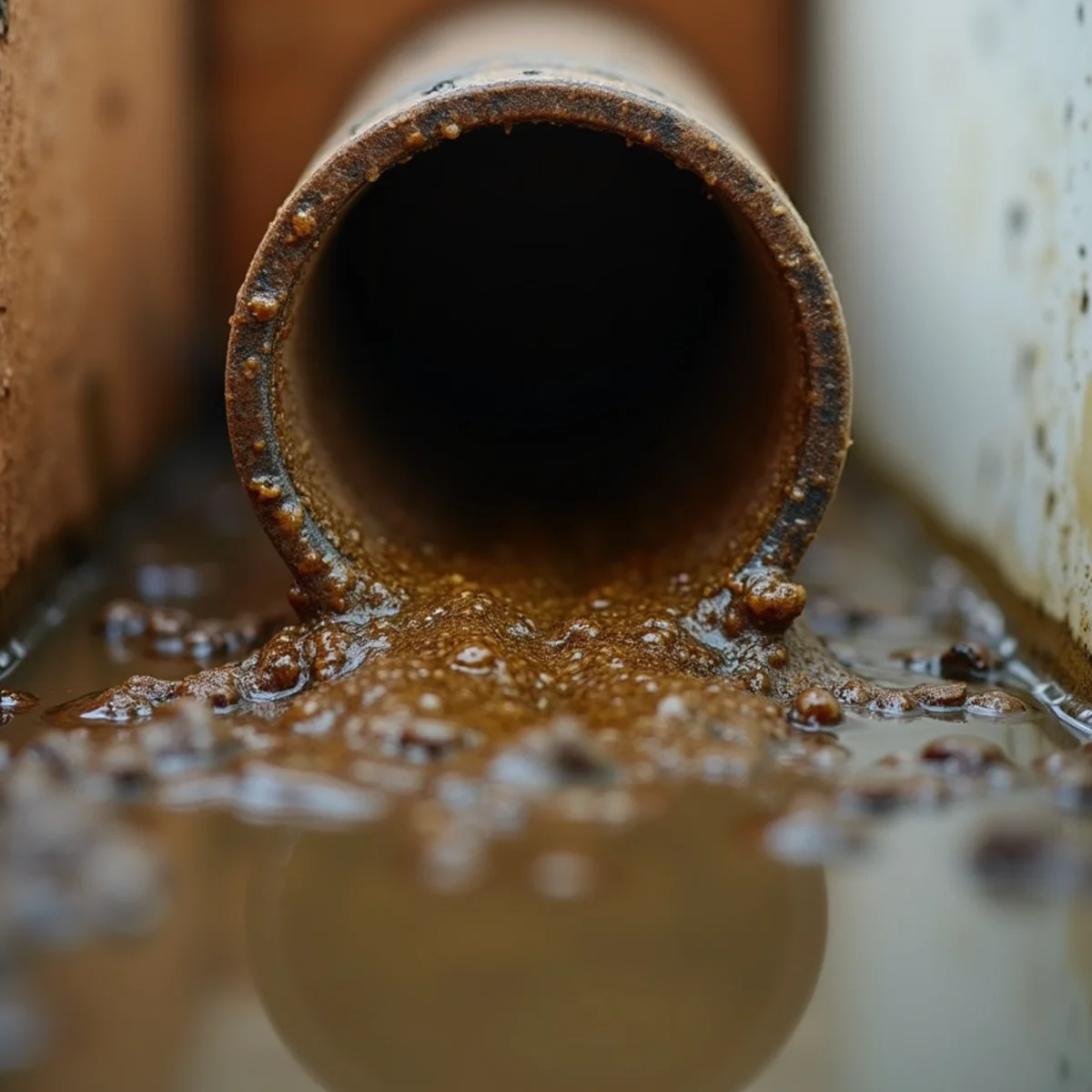
Grease is the leading reason kitchen drains fail, and it is sneaky about it. It pours down as a warm liquid, then cools and congeals into a waxy film on the pipe walls a few feet down the line, well past where a plunger or a short snake can reach. Every greasy pan you rinse adds another layer, and the opening narrows a little more each time.
That slow accumulation is why a kitchen drain gets sluggish gradually instead of stopping overnight. Worse, the sticky coating grabs food particles and coffee grounds as they float past, hardening into a dense plug that a plunger rarely breaks up. Fats, oils, and grease from cooking are the single biggest contributor to residential kitchen-line blockages, and the damage happens out of sight where you never think to look.
- Let grease and oil cool, then scrape them into a container or the trash
- Wipe oily pans and plates with a paper towel before they hit the sink
- Pour bacon fat and fryer oil into a sealable can rather than down the drain
- Run hot tap water for a minute after washing dishes to help thin residue move along
Food Scraps and Garbage Disposal Habits
A garbage disposal grinds a lot, but it is not a garbage chute. Fibrous scraps like celery strings, onion skins, and artichoke leaves wrap around the blades, starchy foods like pasta, rice, and potato peels swell into a gluey paste, and coffee grounds clump into a sludge that settles in the trap. Eggshells break into gritty fragments that bind to grease rather than washing away.
Heavy cold water during and after every grind is what carries those particles out of the line instead of leaving them to pile up. Cold water keeps any fats semi-solid so they move along in pieces rather than smearing onto the pipe wall. Overload the disposal, feed it the foods above, or shut the water off too soon, and you are essentially building next month's clog by hand.
- Run cold water before, during, and for 15 to 30 seconds after each grind
- Feed scraps in small batches rather than packing the chamber full
- Keep fibrous, starchy, and gritty foods out of the disposal entirely
- Grind a tray of ice cubes now and then to knock residue off the grinding ring
Soap Scum, Biofilm, and a Missing Strainer
Grease and food get the blame, but two quieter culprits keep the cycle going. Dish soap and detergent leave a soft scum that layers onto the pipe wall alongside the grease, and over time a slick biofilm of bacteria grows on top of it, narrowing the passage and feeding odors. A basket strainer sitting in the drain opening stops most of what starts a clog before it ever gets into the pipe, yet plenty of sinks run without one.
The fix here is upstream. A fine mesh strainer catches food bits, coffee grounds, and stray debris so you scrape them into the trash instead of into the line. It is the simplest habit on this list and the one that prevents the most repeat clogs.
- Fit every kitchen drain with a fine basket or mesh strainer
- Empty the strainer into the trash or compost, never rinse it into the drain
- Wipe plates and bowls clean before rinsing to cut how much scum forms
Related service
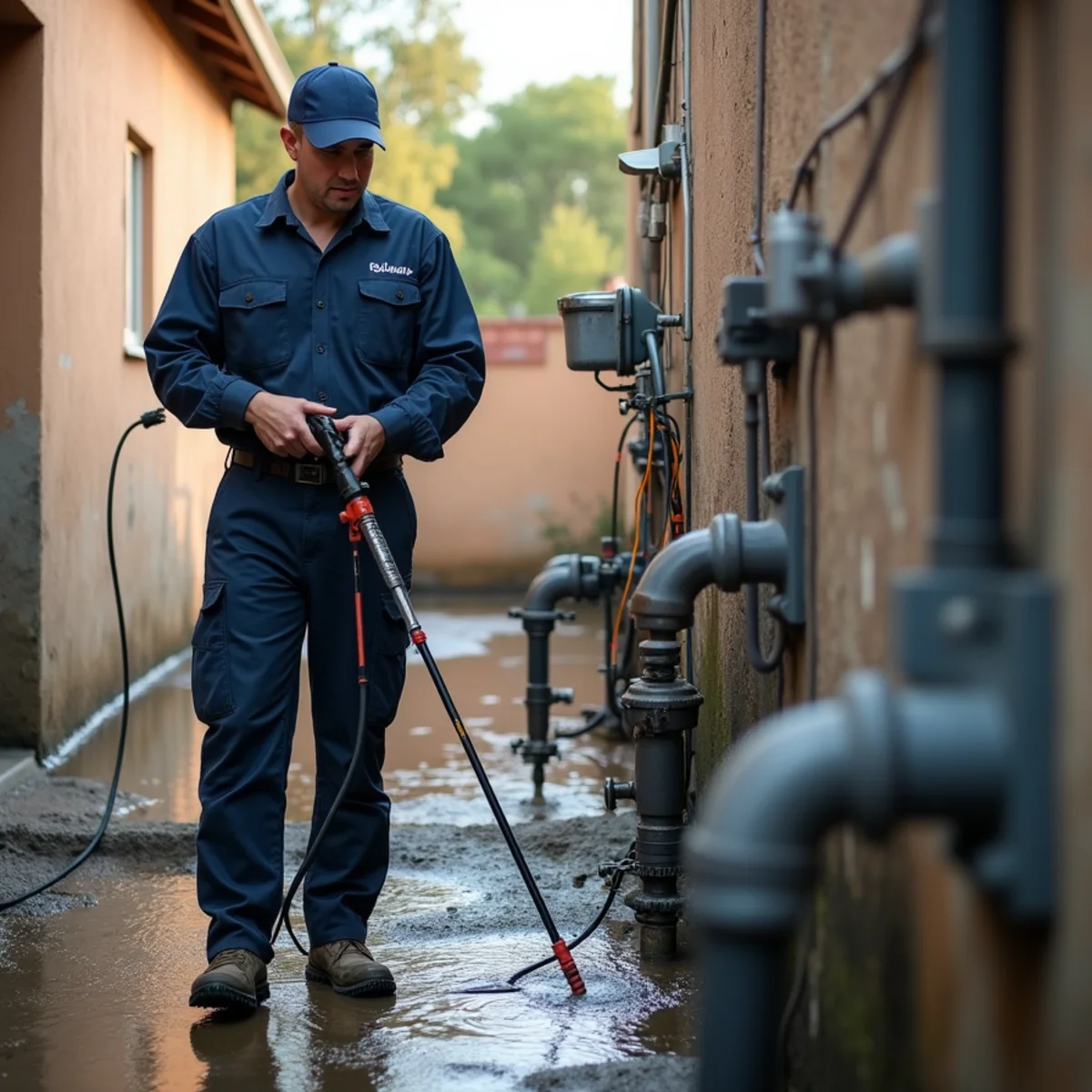
Hydro Jetting in Sacramento
High-pressure water cleaning that scours grease, hard-water scale, root hairs, and packed sludge off the full inside wall of a drain or sewer line.
Explore this serviceWhere Sacramento's Hard Water Comes In
Sacramento's hard water leaves a crust of mineral scale on the inside of pipes, and that rough surface is exactly what grease and debris need to grab onto. On a smooth pipe wall some residue washes past; on a scaled wall it catches and stays. Scale and grease reinforce each other, narrowing a kitchen line faster than either could alone.
Over the years this buildup can shrink a drain's usable diameter dramatically. It is a big part of why older homes across the region, from Land Park to Natomas, see their kitchen clogs come back sooner and hit harder than newer ones do. Homes with original galvanized steel drain lines feel it most, because that pipe rusts and roughens from the inside and gives buildup even more to hold onto.
Safe Steps to Try First
Before calling anyone, there are a few low-risk things you can try on a slow or stopped kitchen drain. Start by clearing the strainer and checking the P-trap, the U-shaped pipe under the sink, which is a common place for food and grease to collect. A cup plunger, with the other basin's drain blocked, can shift a soft clog. A kettle of hot (not boiling) water down the drain can loosen light grease in pipes that are known to be metal.
Know where to stop, though. Boiling water can soften and warp PVC pipe joints, so keep it to hot tap water on plastic lines. If the sink is fully stopped or backs up again within days, the buildup is deeper than these steps reach, and it is time for a professional cleaning rather than another round of the same fix.
- Remove and clean the strainer, then check the P-trap for trapped debris
- Try a cup plunger with the second basin and any overflow blocked off
- Flush with hot tap water, not boiling water, especially on plastic pipe
Related service
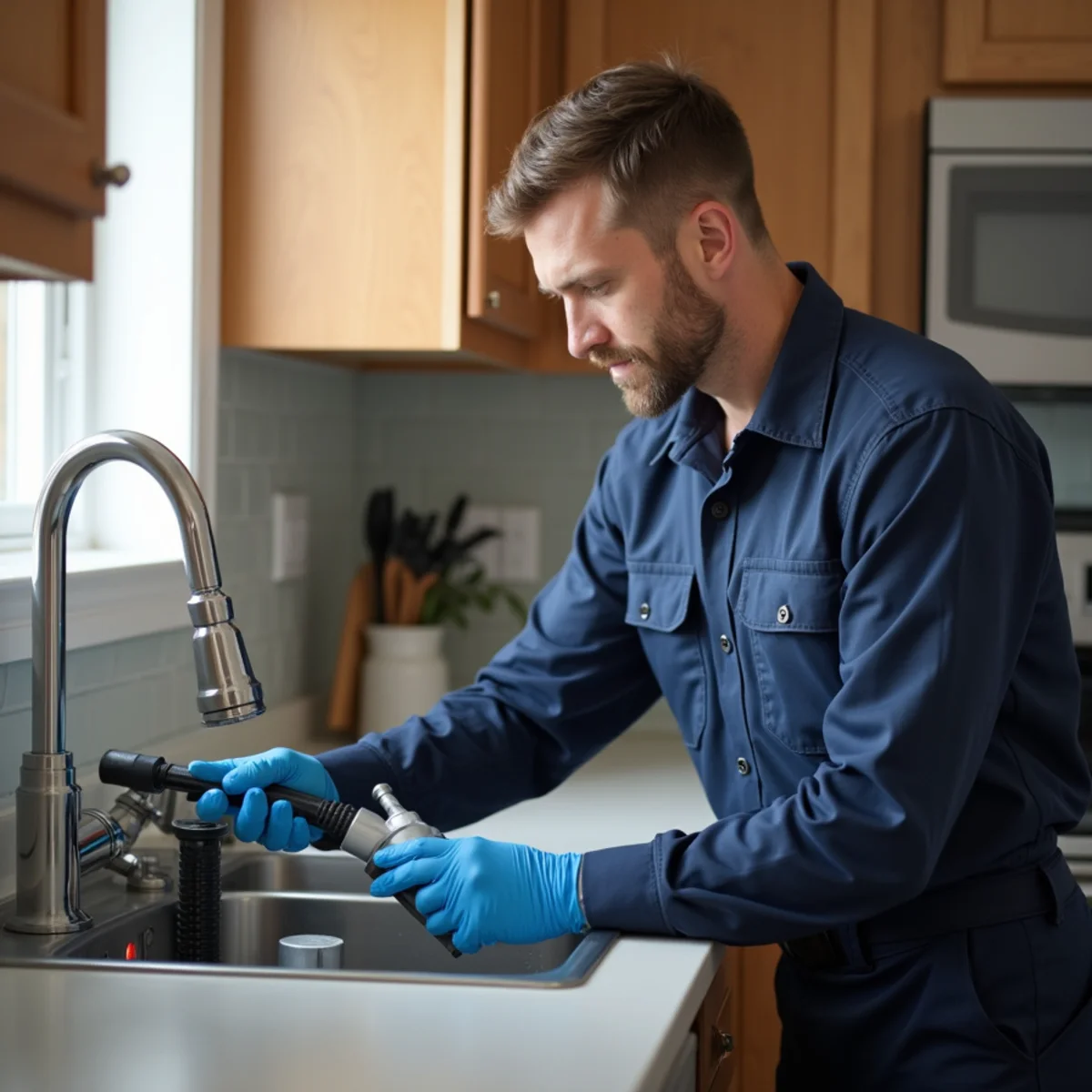
Drain Cleaning in Sacramento
Clearing slow and blocked drains at the sink, tub, shower, and floor, then confirming flow is restored to the full pipe wall.
Explore this serviceWhy Bottled Drain Cleaners Disappoint
A store-bought drain cleaner might eat a narrow channel through a soft clog and get water draining for a day, but it does almost nothing to the hardened grease lining the pipe, so the blockage returns. Repeated doses can also corrode older galvanized and cast-iron pipe from the inside, trading a clog for a leak.
Baking soda and vinegar are gentler but no match for a real grease clog; the fizzing reaction is mostly surface-level and rarely clears a line that is genuinely blocked. Most important, never combine drain products or pour a second cleaner on top of a first. The reaction can release dangerous fumes, and caustic liquid still sitting in a pipe becomes a hazard for whoever opens it next. A grease-caked line needs the whole pipe wall cleaned, which is professional work.
Breaking the Cycle for Good
When a kitchen drain clogs like clockwork, the fix is to clean the entire pipe, not poke another hole through the plug. Hydro jetting scours grease, scale, and biofilm off the full circumference of the wall and restores the line to something close to its original diameter, so the passage does not simply reseal in a few weeks. A camera inspection first confirms how much buildup is actually in there and whether anything else, like a bellied section of pipe or root intrusion at a joint, is contributing.
Pair that reset with better habits at the sink, and most kitchens go from monthly backups to years of clear drains. To stop refighting the same clog, contact Bridelyra Plumbers at +1 (207) 419-2600 for a proper drain cleaning.
Frequently Asked Questions
No. Hot water only carries grease a bit farther down the line before it cools and hardens on the pipe wall, out of sight where it does the most damage. Let grease cool and put it in the trash instead.
A quick snaking usually punches through the blockage without stripping the grease coating off the pipe walls, so it rebuilds fast. Cleaning the full pipe wall removes the buildup itself and lasts far longer.
It can freshen a slow drain and loosen very light residue, but it rarely clears a real grease or food clog. The reaction is mostly surface-level, so a genuinely blocked line usually needs mechanical cleaning to open back up.
No. Fibrous scraps, starchy foods that swell, coffee grounds, eggshells, and grease all feed clogs regardless of the disposal. Running plenty of cold water and keeping those items out of the sink keeps the line much clearer.
Bridelyra Plumbers Editorial Team
Reviewed for practical accuracy by our plumbing team
Published March 2, 2026 · Updated June 17, 2026