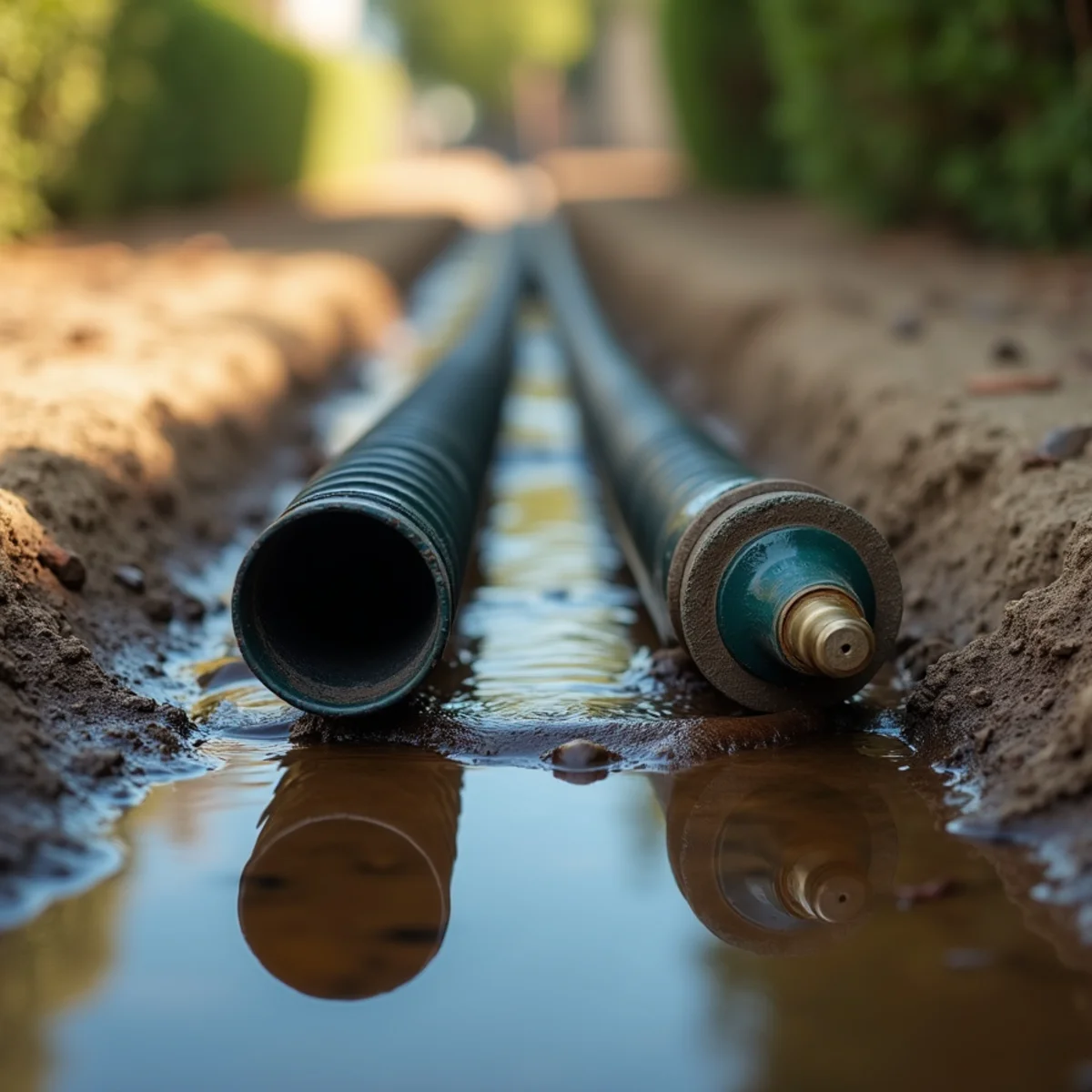
Safety note
Hydro jetting uses high pressure and is a professional service, not a DIY job. Do not mix chemical drain cleaners with each other or with any other product, as some combinations release dangerous fumes, and avoid contact with any wastewater from a backup.
The Short Answer
If you are weighing the two, here is the quick version before the detail. A drain snake is the right first move for a single, localized clog: one slow fixture, a hair-plugged bathroom drain, or an object caught in a branch line. It is faster and lighter on the wallet, and it is the safer choice for fragile older pipe.
Hydro jetting is the deeper clean. It is what you want for recurring clogs, a grease-caked kitchen line, mineral scale, or a main line thick with years of buildup, because it strips the entire pipe wall rather than boring a single channel. The catch is that its power demands a sound pipe, so a camera check often comes first. Most jobs sort cleanly into one bucket or the other once you know what is causing the blockage.
- Snake: one isolated clog, tight budget, older or fragile pipe
- Jetting: repeat clogs, grease, scale, roots, whole-line buildup
- When in doubt, a camera inspection settles which the pipe needs
How Drain Snaking Works
A drain snake, also called a drain auger, is a flexible steel cable fed down the pipe until it reaches the clog. A rotating head on the end then bores through the obstruction or hooks into it, so the mass can be pulled back out or broken up enough to flush away. Handheld augers handle small branch drains, while larger motorized machines drive a heavier cable into a main sewer line.
Snaking is quick, well suited to a single localized clog, and gentle on most pipe. It shines at punching through one specific blockage, like a wad of hair, a buildup of soft debris, or an object lodged in a branch drain. Its main limitation is that it tends to open a passage through the center of a clog rather than clearing the pipe wall, so material clinging to the sides is left behind to build up again.
- Best for an isolated clog in one fixture or branch
- Effective on hair, soft debris, and small objects
- Fast and minimally invasive for routine blockages
- Gentler on older or already-fragile pipe than high pressure
How Hydro Jetting Works
Hydro jetting runs a specialized hose down the line and sprays water at high pressure, commonly in the range of 1,500 to 4,000 psi, through a directional nozzle. Forward jets bore through the obstruction while rear-facing jets scour the pipe walls and drive the hose ahead, so the stream cleans the full inner diameter as it travels, cutting through grease, sludge, mineral scale, soap buildup, and even root intrusion.
Where a snake punches a single hole through the middle of a clog, jetting strips the entire pipe wall back toward its original diameter. That is what makes it so much more thorough for buildup that coats the whole line rather than plugging one spot, and why the results tend to last longer before the next clog forms.
- Cleans the full pipe diameter, not just a channel
- Cuts grease, sludge, scale, soap buildup, and roots
- Longer-lasting results in lines with years of buildup
- Delivered by a professional after the pipe is assessed
Snaking vs. Jetting Side by Side
It helps to see the tradeoffs together. Snaking wins on speed and cost and is the safer pick for questionable pipe, but it clears one clog at a time and leaves the walls coated. Jetting costs more and asks more of the pipe, but it restores flow across the whole line and keeps it open longer. Neither is universally better; they simply suit different problems.
Think of a snake as a targeted tool and a jet as a restorative one. A snake answers the question can we get this draining again right now. Jetting answers can we get this line genuinely clean so it stays that way.
- Cleaning reach: snake bores a channel; jetting scours the whole wall
- Speed: snaking is often the quicker of the two for a simple clog
- Cost: snaking generally costs less; jetting more, for a deeper clean
- Pipe safety: snaking is gentler; jetting needs a sound pipe
- Longevity: jetting typically holds off the next clog longer
Related service
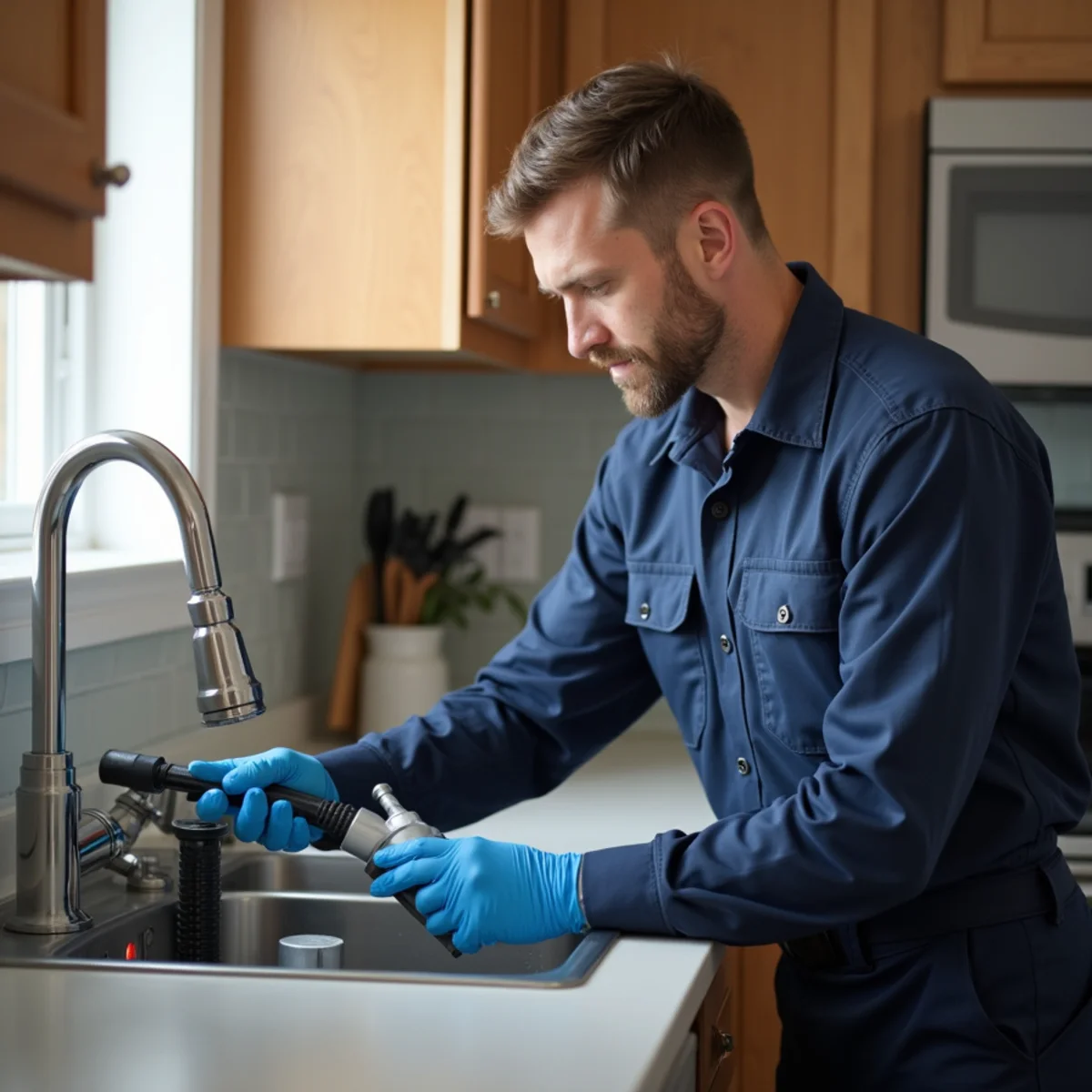
Drain Cleaning in Sacramento
Clearing slow and blocked drains at the sink, tub, shower, and floor, then confirming flow is restored to the full pipe wall.
Explore this serviceWhich One Fits Your Problem
The right choice comes down to the nature and location of the blockage. A single slow bathroom sink or a toilet backed up by one obstruction usually needs nothing more than a snake. Recurring clogs, a grease-caked kitchen line, a laundry line clogged with lint and detergent scale, or a main line thick with years of buildup call for the deeper, wall-to-wall clean that only jetting delivers.
Root intrusion sits in its own category. A snake fitted with a cutting head can slice a temporary channel through roots and get water moving, but jetting clears them far more completely. Even so, roots mean the pipe has an opening somewhere, and a badly cracked or offset line may still need repair no matter which method reopens it.
When Jetting Is Not the Answer
Hydro jetting is powerful, and that power is exactly why it is not right for every pipe. Old, corroded, or already-cracked lines, common in Sacramento's older homes with original clay, cast iron, or Orangeburg pipe, may not survive full pressure. On lines like these a plumber reduces the pressure and makes several controlled passes, or chooses snaking instead, once a camera has shown what the pipe can handle.
That is why a camera inspection so often comes first, and why jetting is strictly a professional service rather than a rental-store project. Checking the pipe's condition before applying that pressure is what protects fragile plumbing from damage, and matching the method to what the line can actually take is a judgment call best made by someone watching the pipe on a monitor.
What About Chemical Drain Cleaners?
Before either mechanical method, many people reach for a bottled drain cleaner, and it is worth saying where those fit. Caustic and acid-based cleaners can clear a light soft clog, but they do not remove grease coating, scale, or roots, and repeated use can corrode older metal pipe from the inside. They also leave standing caustic liquid in the line when they fail to clear it, which the next person to open the drain has to deal with.
Do not combine different drain products or mix a chemical cleaner with anything else, since some combinations release dangerous fumes. For a stubborn or recurring clog, a snake or a jet removes the blockage physically without leaving harsh chemicals sitting in your plumbing, and a plumber can clear a line that already has cleaner in it safely.
Related service
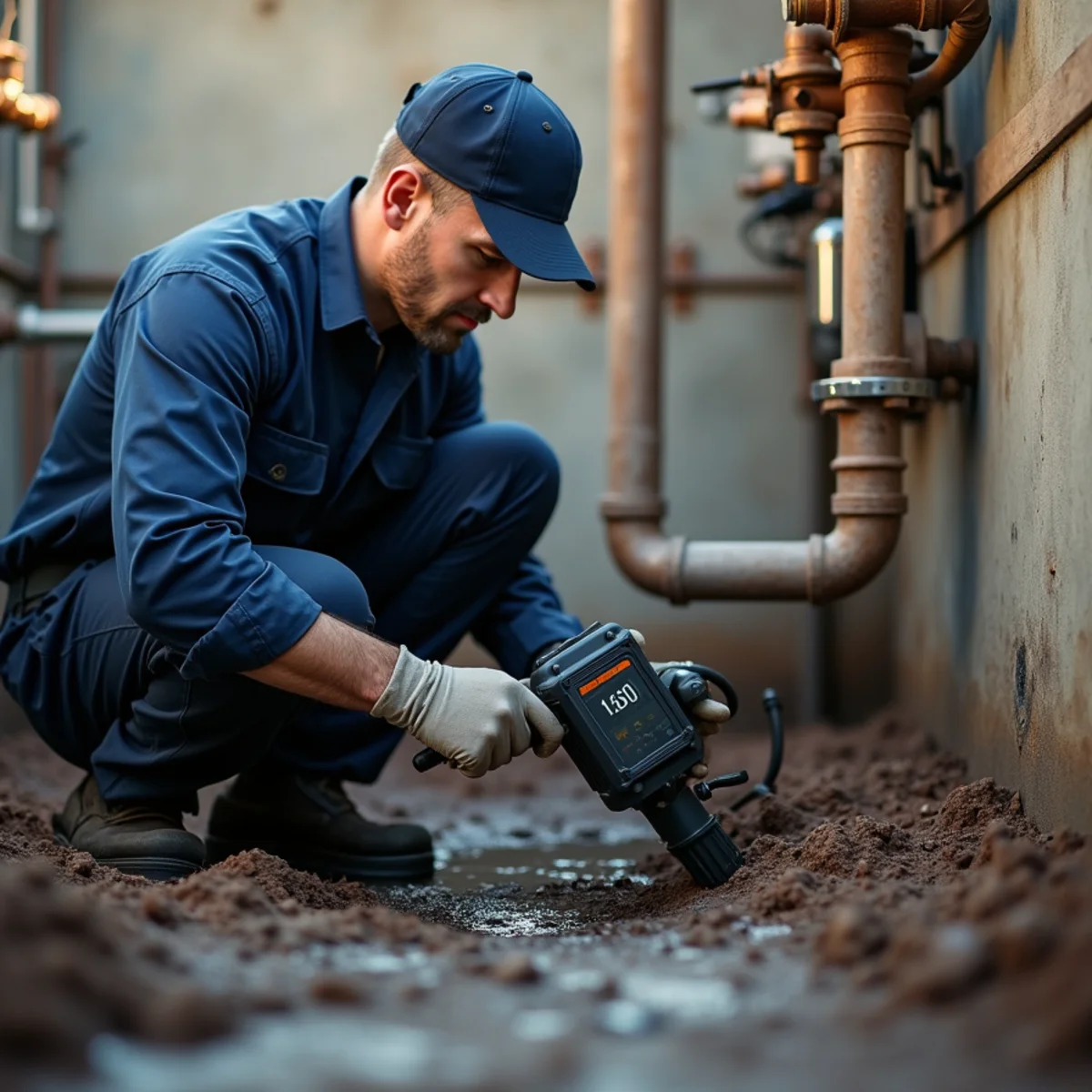
Sewer Camera Inspection in Sacramento
A recorded video look inside the sewer lateral to pinpoint root intrusion, cracks, offset joints, bellies, blockages, and true pipe condition.
Explore this serviceHow Often a Line Should Be Cleaned
Clearing a clog is reactive; a periodic cleaning is preventive. Homes with heavy kitchen use, aging pipe, or mature trees near the sewer benefit from being on a rhythm rather than waiting for the next backup. As a rough guide, an older line or one under large trees is worth checking and cleaning more often than a modern PVC system that rarely gives trouble.
A camera inspection is the honest way to set that interval, because it shows how fast a given line actually builds up. Rather than cleaning on a calendar guess, you clean when the pipe shows it needs it, which avoids both surprise clogs and paying for service the line did not require.
Getting the Right Recommendation
Because the two methods suit genuinely different situations, the surest path is to have the drain evaluated first. A camera inspection shows what is causing the clog and whether the pipe can take jetting, so the clearing method fits both the blockage and the condition of the line rather than defaulting to whatever tool is in the truck.
To figure out which approach your drain needs, contact Bridelyra Plumbers at +1 (207) 419-2600. Describing the pattern you are seeing, one slow fixture versus several, a first-time clog versus a repeat, helps point toward the right method before anyone arrives.
Drain Snake vs. Hydro Jetting
The right method depends on the type of blockage and the condition of the pipe.
Drain Snake
Hydro Jetting
Frequently Asked Questions
It depends on the pipe's condition. Jetting is powerful, so a camera inspection typically comes first to confirm the line is sound enough to take high pressure. On older clay, cast iron, or Orangeburg pipe common in Sacramento, a plumber lowers the pressure and makes controlled passes, or uses a snake instead, rather than risk cracking a fragile line.
A snake often bores a channel through the middle of a clog rather than cleaning the whole pipe, so leftover buildup on the walls closes the line again before long. If a clog keeps returning within weeks, that recurring pattern usually points to grease, scale, or roots coating the pipe, which jetting removes by scouring the full diameter.
Hydro jetting, by a wide margin. It scours the pipe walls where grease coats and hardens, while a snake tends to poke a hole straight through the grease without removing the coating that keeps causing clogs. Kitchen and main lines caked with grease are the classic case for jetting.
Snaking generally costs less because it takes less equipment and time, which is part of why it is the sensible first choice for a simple, isolated clog. Jetting costs more but does far more, cleaning the entire pipe rather than one spot. The better value depends on the problem: paying twice to keep snaking a recurring clog can cost more over time than jetting it once.
Bridelyra Plumbers Editorial Team
Reviewed for practical accuracy by our plumbing team
Published January 19, 2026 · Updated May 20, 2026