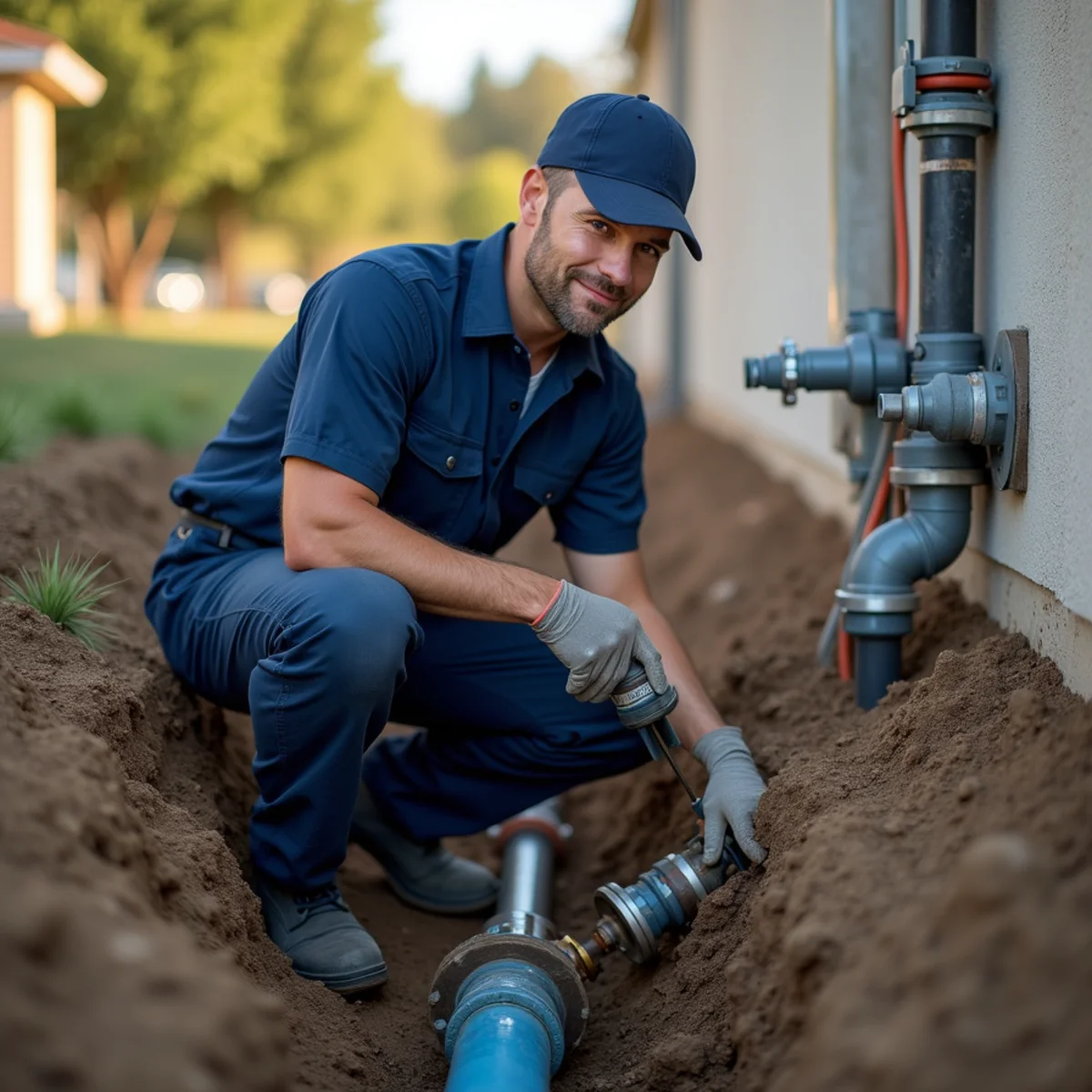
Symptoms and Warning Signs
- A failing sewer lateral running under a lawn, driveway, or established plantings
- Root intrusion, cracking, or corrosion a camera inspection has already confirmed
- A preference to avoid tearing open the yard or hardscape
- Backups that keep returning from a line that is breaking down
- Joints along the run that have shifted, offset, or begun to leak
- Infiltration where groundwater seeps into the line through failed joints
- A lateral buried beneath a patio, walkway, mature tree, or paved drive
Common Causes
- Tree roots working into the pipe at its joints, common on older tree-lined lots
- Cracks and hairline breaks in a line that still runs true
- Corrosion and general wear in aging cast-iron or clay pipe
- Joints that have separated, offset, or started to seep
- Groundwater infiltration through failing joints in clay-soil neighborhoods
- An older pipe that still holds its original path and grade
- Damage sitting under hardscape, trees, or landscaping that would be costly to trench
What to have ready when you contact us
Our Inspection & Diagnostic Process
- 1Camera the line and hydro jet it clean to judge whether it can be lined or burst
- 2Confirm the pipe holds its path and diameter and can accept a trenchless method
- 3Cut back any invading roots so the new liner or pipe seats cleanly
- 4Open small, targeted access points at each end of the run
- 5Line the existing pipe with a resin-saturated liner, or pull a new pipe through
- 6Cure and reinstate any branch connections, then let the liner set
- 7Run a final camera pass to verify the finished line before closing the accesses
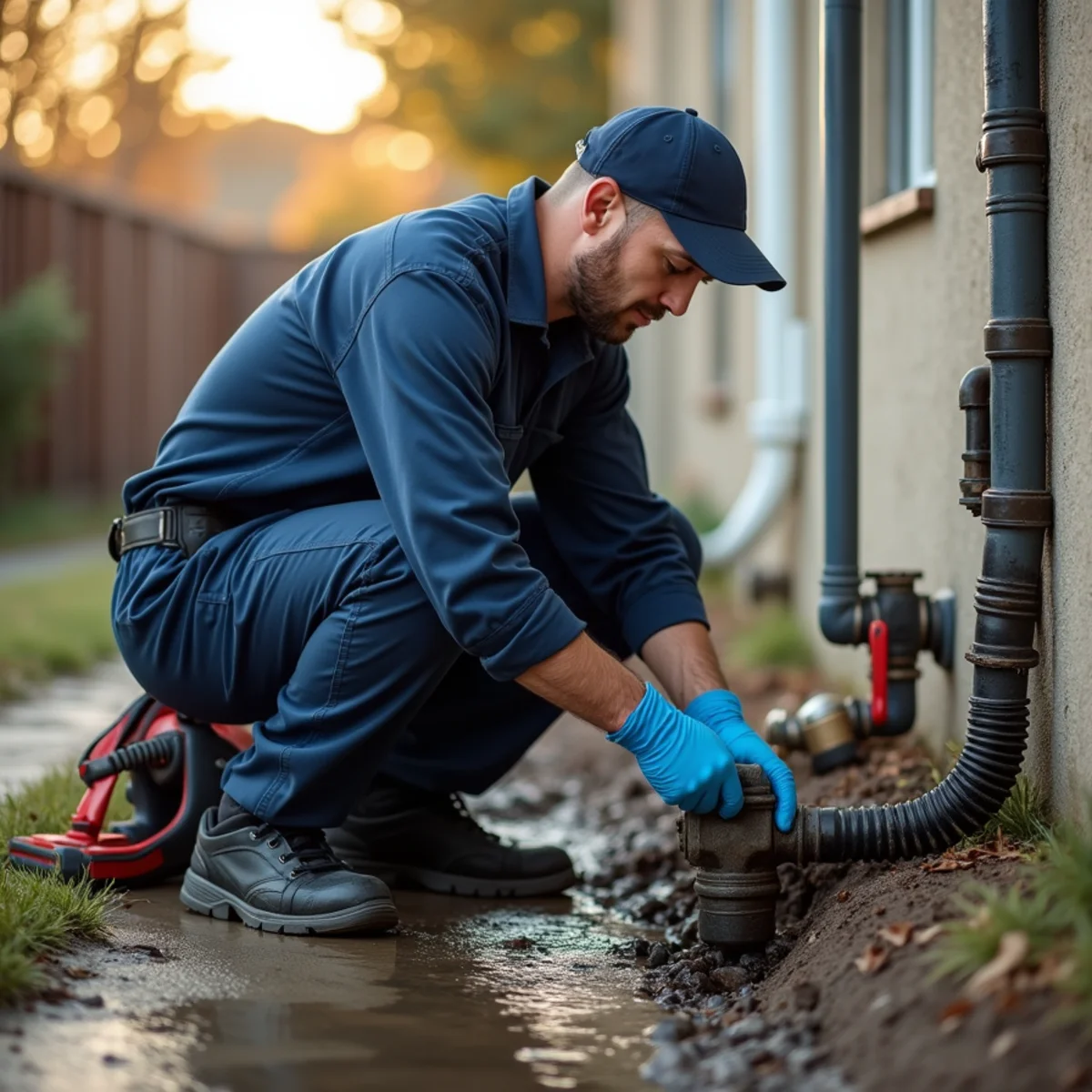
Related service
Sewer Line Repair in Sacramento
Camera-guided repair for damaged, blocked, or root-invaded sewer laterals that carry waste away from a Sacramento home.
Explore this servicePossible Repair & Service Approaches
- Cured-in-place pipe lining (CIPP) that forms a new jointless wall inside the old pipe
- Pipe bursting that fractures the old line and pulls a full new pipe through
- Spot or sectional lining to seal a single isolated defect
- Root cutting and hydro jetting to prep the pipe before lining
- Reinstating branch and cleanout connections after lining
- Camera verification of the completed work
Trenchless vs. Traditional Sewer Repair
Trenchless methods reduce digging, but they are only appropriate when the existing pipe can support them.
Traditional
Trenchless
Residential
- Trenchless lining and pipe bursting for residential sewer laterals
- Yard, driveway, mature trees, and landscaping preserved during the repair
- Rehabilitation of lines damaged by tree-root intrusion and cracked joints
- Spot lining for a single isolated defect
- Camera-verified results on every repair
Commercial
- Rehabilitation of commercial and multi-tenant sewer lines
- Repairs staged to keep tenant disruption to a minimum
- Parking lots, walkways, and other hardscape kept intact
- Lining of longer or larger-diameter runs where access is limited
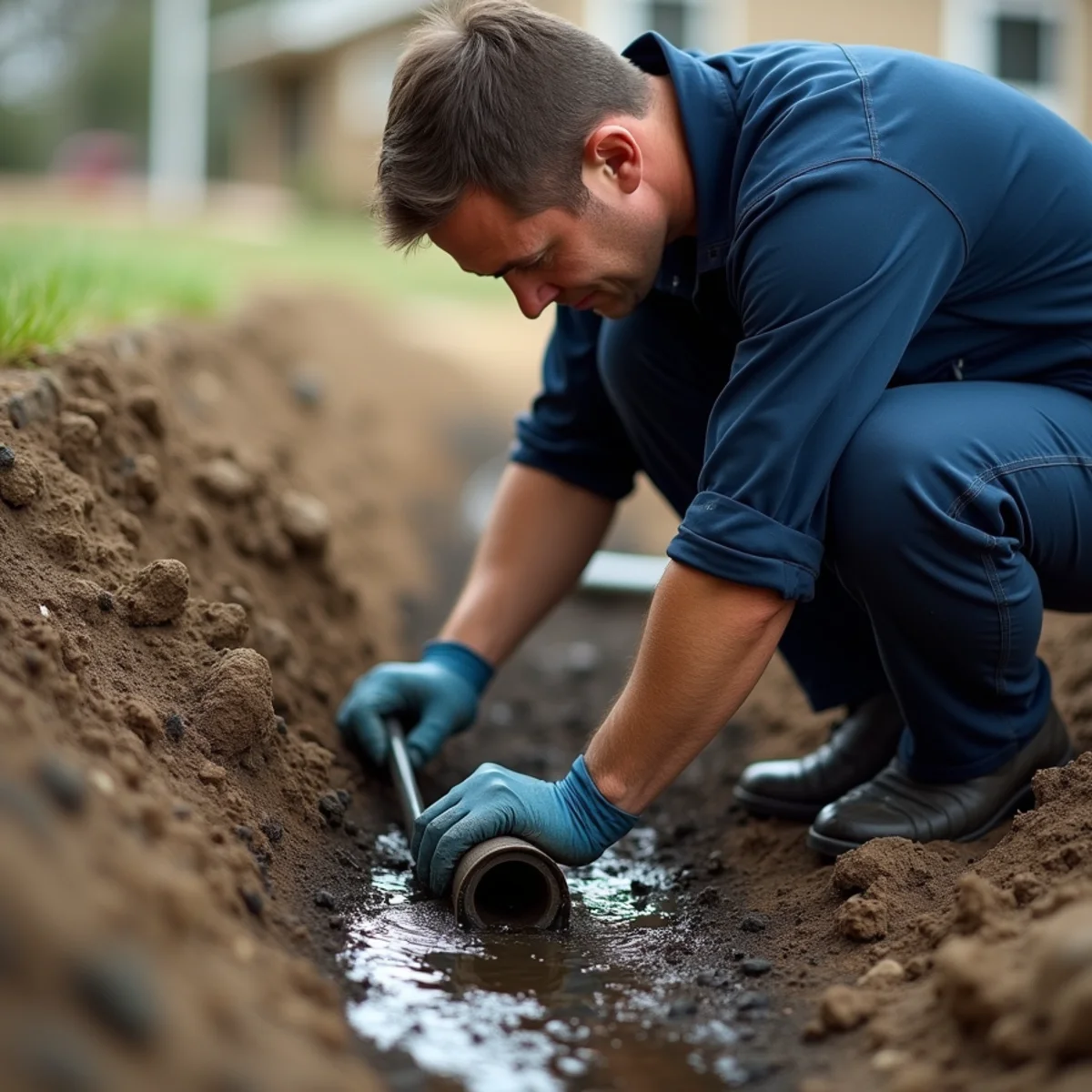
Why Professional Help Matters
Trenchless work looks straightforward, but it lives or dies on an accurate assessment: the pipe has to be in the right condition and hold its path and diameter for lining or bursting to take. A skilled technician cameras and hydro jets the line first, confirms it is a genuine candidate, cuts back roots, and verifies the cured result, so you get the surface-sparing benefit without forcing a method onto a pipe that cannot carry it. Push a liner onto a collapsed or badly offset line and you pay for the open trench anyway, which is why the honest candidacy check matters as much as the repair itself.
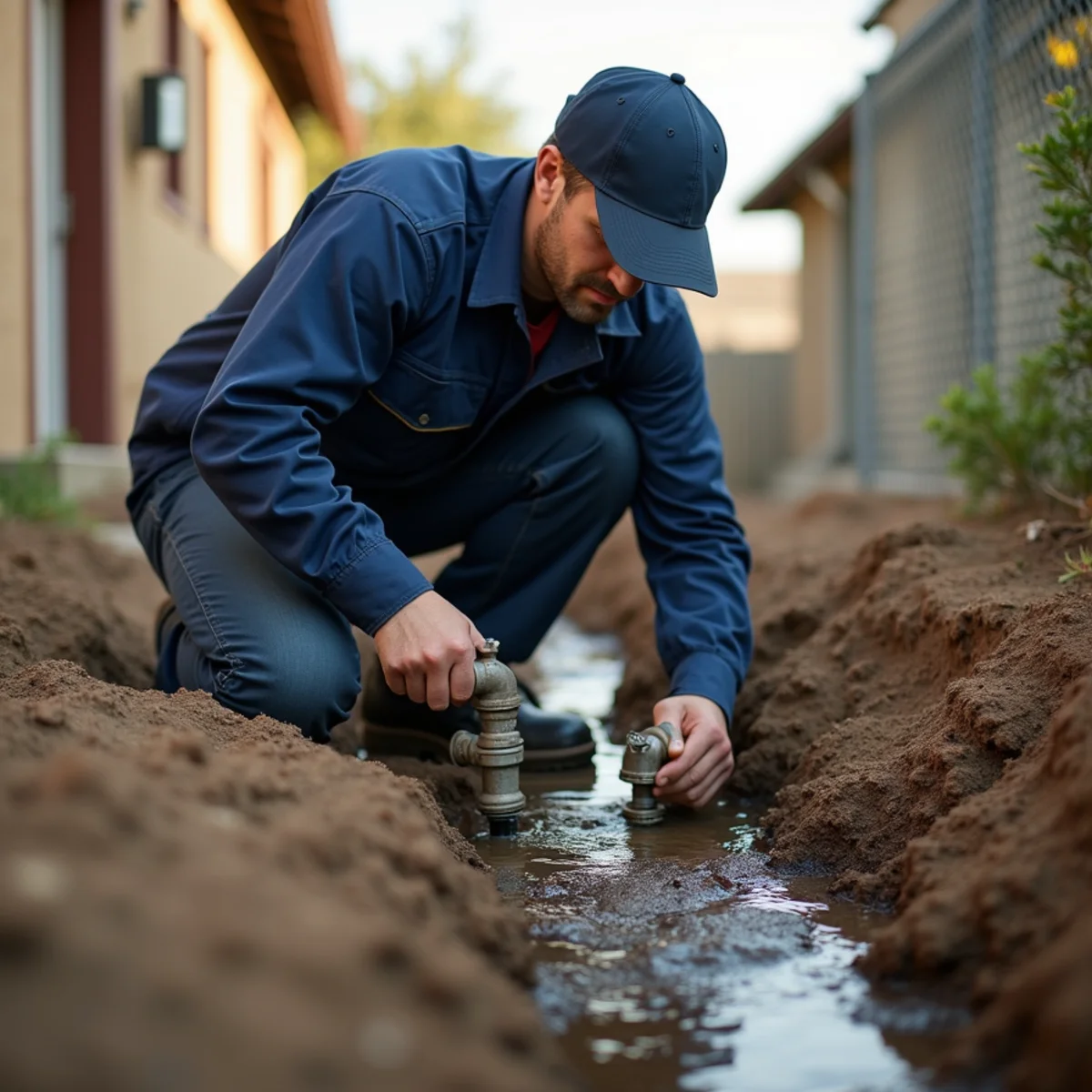
Related service
Sewer Line Replacement in Sacramento
Full replacement of a collapsed, broken, or badly deteriorated sewer lateral with new, durable pipe laid to correct grade.
Explore this serviceTrenchless Sewer Repair in the Sacramento Area
Trenchless repair fits Sacramento's older, tree-lined neighborhoods and tight central-city lots almost perfectly, because a full-length trench there often means giving up mature shade trees, an established driveway, or the only usable stretch of yard. Root intrusion from those same mature trees is one of the most common reasons local laterals fail, and clay soils that shift between the wet and dry seasons open the joints roots exploit. Because of that, we clear and camera the pipe first to make sure a liner will seat and hold, or that the line is a clean candidate for bursting, before we recommend either over a conventional dig.
Why Choose Bridelyra Plumbers
- Problem-first diagnosis before recommending work
- Clear explanation of the options and next steps
- Respectful service in homes and businesses
- Solutions matched to your actual plumbing system
- Convenient phone and online contact
- 130 customer reviews
Frequently Asked Questions
That comes down to the pipe's condition and whether it still holds its path and diameter, which we confirm by cleaning and cameraing the line. A collapsed, badly offset, or heavily bellied pipe usually is not a fit, and if a conventional dig or pipe bursting is genuinely the better call, we will tell you so.
Lining cures a resin-saturated sleeve into a new jointless wall inside the existing pipe, so the old pipe becomes the host and stays in the ground. Bursting fractures the old pipe and pulls a new one through in its place. Lining suits a pipe that is cracked or corroded but still holds its shape; bursting suits one that is crushed, offset, or too far gone to line.
It depends on the length of the run, the method, how much root cutting and cleaning the line needs, and the number of branch connections to reinstate. Trenchless often avoids the surface restoration a long trench requires, which factors into the overall picture. We camera the line and give a clear scope before any work.
Rather than digging along the entire line, we work through one or two small access points at the ends. That spares most of the lawn, driveway, mature trees, and landscaping sitting over the pipe, which matters a great deal on established Sacramento lots.
A CIPP liner adds a thin wall, so the inside diameter is slightly smaller, but the new surface is smooth and jointless, which typically improves flow rather than restricting it. For most residential laterals the net effect is a cleaner, freer-draining line.
On a suitable line, it restores a durable, seamless pipe engineered to stand up for the long term, and it seals out the root intrusion and infiltration that caused the trouble. We confirm the finished result with a camera pass before we call it done.
Many residential lining or bursting jobs are completed in a day or so once the line is cleaned and cameraed, faster than a comparable open-trench replacement because there is far less digging and surface restoration. Longer runs or extra root work can add time, and we give you a realistic timeline up front.