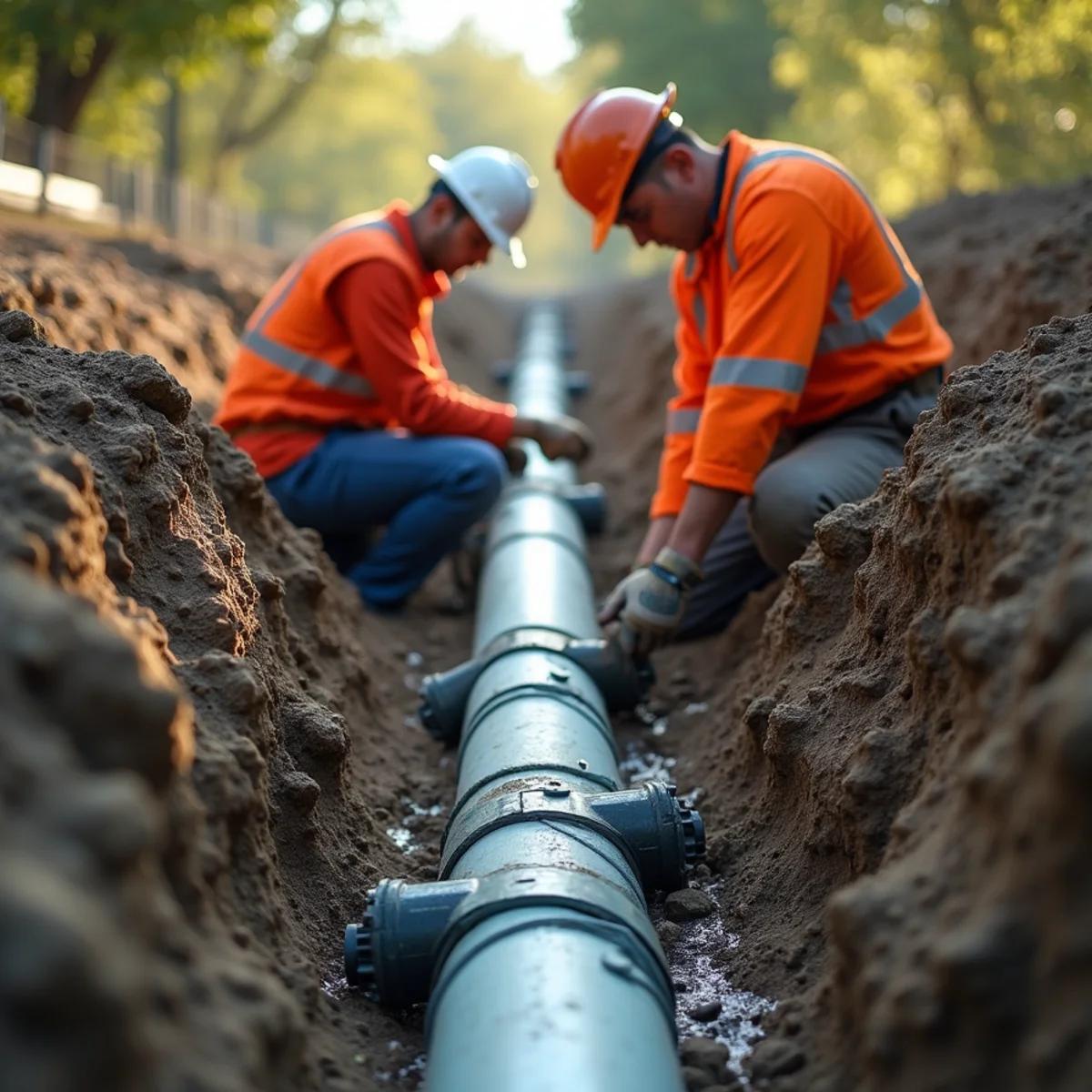
Safety note
Sewer excavation and repair involve contaminated pipe and buried utilities. Do not dig without a professional assessment and proper utility locating, and leave the line work itself to trained technicians.
What Trenchless Actually Means
Trenchless sewer repair rebuilds or replaces a line through a couple of small access points instead of an open trench running the length of the yard. The two workhorse methods are pipe lining and pipe bursting.
Pipe lining, often called cured-in-place pipe, threads a resin-saturated liner into the old pipe and cures it in place to form a smooth new pipe within the existing one. It is essentially a new pipe grown inside the old shell. Pipe bursting takes a different approach: it pulls a new pipe through the old path while a bursting head fractures the original pipe outward into the surrounding soil, leaving fresh pipe where the failed one used to be.
Both skip the wide, deep excavation that traditional replacement demands. For the homeowner, that translates to lawns, driveways, and hardscape left largely intact rather than dug up and rebuilt afterward.
- Pipe lining cures a new pipe inside the existing one
- Pipe bursting pulls new pipe through while breaking the old apart
- Both work through small access pits, not a full-length trench
- Access is often gained through existing cleanouts, keeping digging minimal
Pipe Lining vs Pipe Bursting: Which Method Fits
The two methods are not interchangeable, and matching the method to the pipe is the whole game. Lining works when the existing pipe is still largely intact and holding its shape, just cracked, corroded, or invaded by roots. Because the liner conforms to the host pipe, that pipe has to be sound enough to support it.
Bursting is the answer when the old pipe is too far gone to line, badly corroded, made of an outdated material you want gone entirely, or in need of a larger diameter. Bursting is the only trenchless method that lets you upsize, swapping an undersized line for a wider one to add capacity. Where lining preserves and reinforces, bursting replaces outright.
- Lining: pipe is intact but cracked, corroded, or root-damaged
- Bursting: pipe is severely deteriorated, collapsed in spots, or outdated material
- Bursting can upsize the line; lining keeps the existing diameter
- Lining leaves a smooth interior that can actually improve flow
When Trenchless Is a Strong Fit
Trenchless is at its best when the existing pipe still follows a workable path and the damage matches the method. Cracks, root intrusion, and general age-related wear in a line that remains structurally sound are frequently good candidates.
It is especially worth it when the sewer runs beneath a mature magnolia, a poured driveway, a patio, a mature garden, or anything else you would hate to excavate. On established Sacramento properties, where the line often threads under decades of landscaping and hardscape, that is exactly the situation homeowners find themselves in. The math also favors trenchless as depth increases, since a deep line means a deep, expensive trench to reach it by digging.
Related service
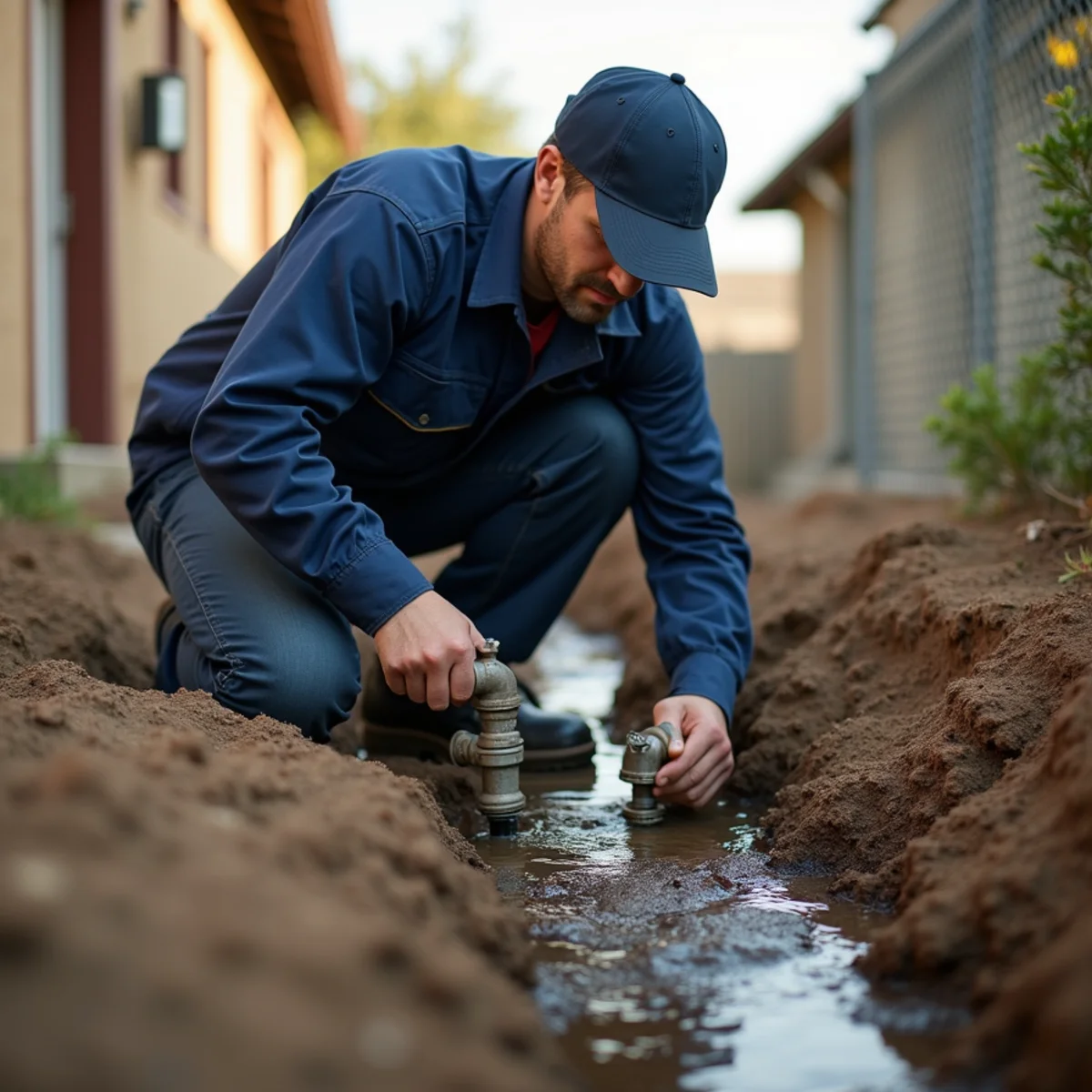
Sewer Line Replacement in Sacramento
Full replacement of a collapsed, broken, or badly deteriorated sewer lateral with new, durable pipe laid to correct grade.
Explore this serviceWhen It May Not Work
Some conditions take trenchless off the table or push toward full replacement. A pipe that has fully collapsed may leave no continuous path to line through. Severe misalignment, offset joints, or a host pipe too corroded to support a liner can rule lining out. A pronounced belly, where a section of pipe has sagged and holds standing water, is another common disqualifier, because trenchless repair restores the pipe along its existing path and does not correct the sag that caused the pooling.
That is precisely why nobody should promise trenchless sight unseen. The camera inspection and a read of the line's overall condition are what decide which method, if any, will hold up over the long run.
- A fully collapsed line may leave no path to line through
- Severe offsets or misalignment can prevent a clean cure
- A sagging belly holding water is not corrected by lining
- A badly deteriorated host pipe may not support a liner
What Trenchless Costs Compared With Digging
Trenchless is usually priced by the linear foot, and the headline number is only part of the picture. The larger savings often show up in restoration: a full-length trench can mean tearing out and rebuilding lawn, driveway, patio, or a mature garden, and that repair work is frequently where traditional replacement gets genuinely expensive. Trenchless sidesteps most of it.
Between the two trenchless methods, lining and bursting land in a similar range, with bursting sometimes running a little higher because it needs two access pits and heavier equipment. But the fair comparison is always against your specific line, not a chart. A shallow, easy-to-reach pipe can make traditional digging competitive, while a deep line under hardscape tilts the value firmly toward trenchless. That is why a real assessment comes before any number.
How Long It Takes and What to Expect
One of the quiet advantages of trenchless is speed. Many residential jobs wrap up in a day or two, versus the longer stretch that open-trench replacement and its cleanup can take. The crew locates the damage, prepares the access points, installs the liner or pulls the new pipe through, and verifies the result, often with a follow-up camera pass.
Disruption to the household is limited during the work, and because the yard is largely untouched, there is no weeks-long wait for landscaping or concrete to be redone. Trenchless is generally rated for long service life, with quality installations expected to last for decades, which is a large part of why it is worth doing correctly rather than quickly.
- Many residential jobs finish in one to two days
- A follow-up camera pass confirms the repair
- No weeks-long wait to rebuild lawn or hardscape
- Quality installations are rated for decades of service
Related service
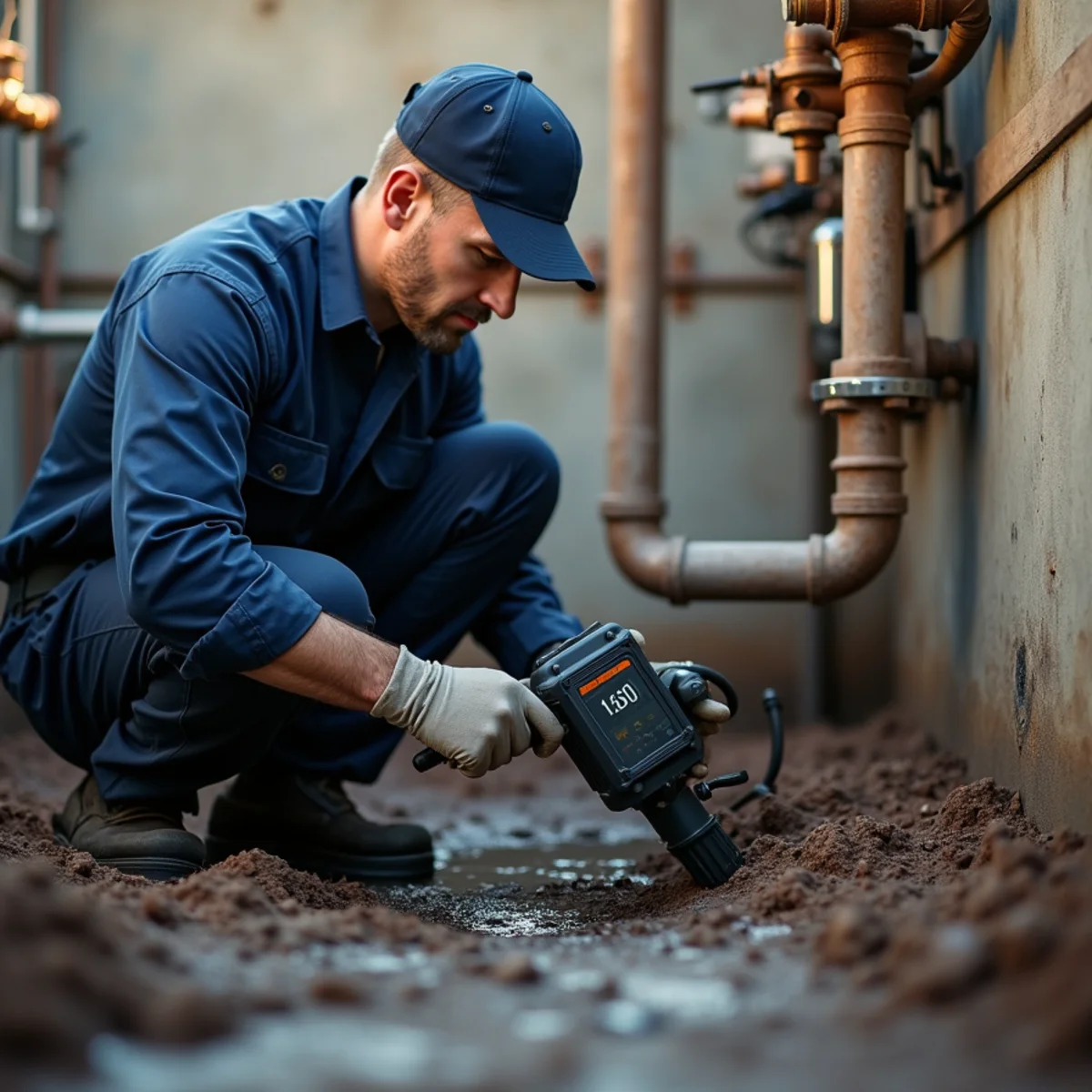
Sewer Camera Inspection in Sacramento
A recorded video look inside the sewer lateral to pinpoint root intrusion, cracks, offset joints, bellies, blockages, and true pipe condition.
Explore this serviceThe Assessment Comes First
No honest recommendation happens without looking inside the pipe first. A sewer camera inspection reveals the type, extent, and exact location of the damage, and the line's overall condition tells the plumber whether lining, bursting, or conventional replacement is the appropriate route.
Excavation and major sewer work should never start on assumptions. Insist on a professional assessment before any digging begins; it is what protects you from paying for a method that will not last, and it is the only way to know which of the paths above your line actually qualifies for.
Weighing Your Options
Trenchless can save your yard and spare you weeks of disruption, but the right answer hinges entirely on your specific line. The goal is never the flashiest method, it is the repair that lasts, chosen from a clear understanding of what the pipe is actually dealing with.
To find out whether trenchless repair fits your sewer, contact Bridelyra Plumbers at +1 (207) 419-2600 for an inspection and straightforward guidance.
Trenchless vs. Traditional Sewer Repair
Trenchless methods reduce digging, but they are only appropriate when the existing pipe can support them.
Traditional
Trenchless
Frequently Asked Questions
Not automatically. It often saves on restoration by avoiding a long trench and the landscaping or concrete repair that follows, but the fair comparison depends on your line's depth and condition. A shallow, accessible pipe can make traditional digging competitive, which is exactly why an assessment comes before any price or recommendation.
No. A fully collapsed pipe, severe misalignment, or a sagging belly holding water may leave no clean path for lining and can require bursting or traditional replacement instead. A camera inspection is what determines whether trenchless methods will work on your particular line.
Lining cures a new pipe inside your existing one, which works when the old pipe is still structurally sound. Bursting fractures the old pipe outward and pulls a new one through in its place, which suits severely damaged or outdated lines and is the only method that can also increase the pipe's diameter.
Many residential jobs are completed in a day or two, and because the yard stays largely intact there is no long wait afterward to rebuild landscaping or hardscape. A follow-up camera inspection typically confirms the finished line.
Bridelyra Plumbers Editorial Team
Reviewed for practical accuracy by our plumbing team
Published April 13, 2026 · Updated July 8, 2026