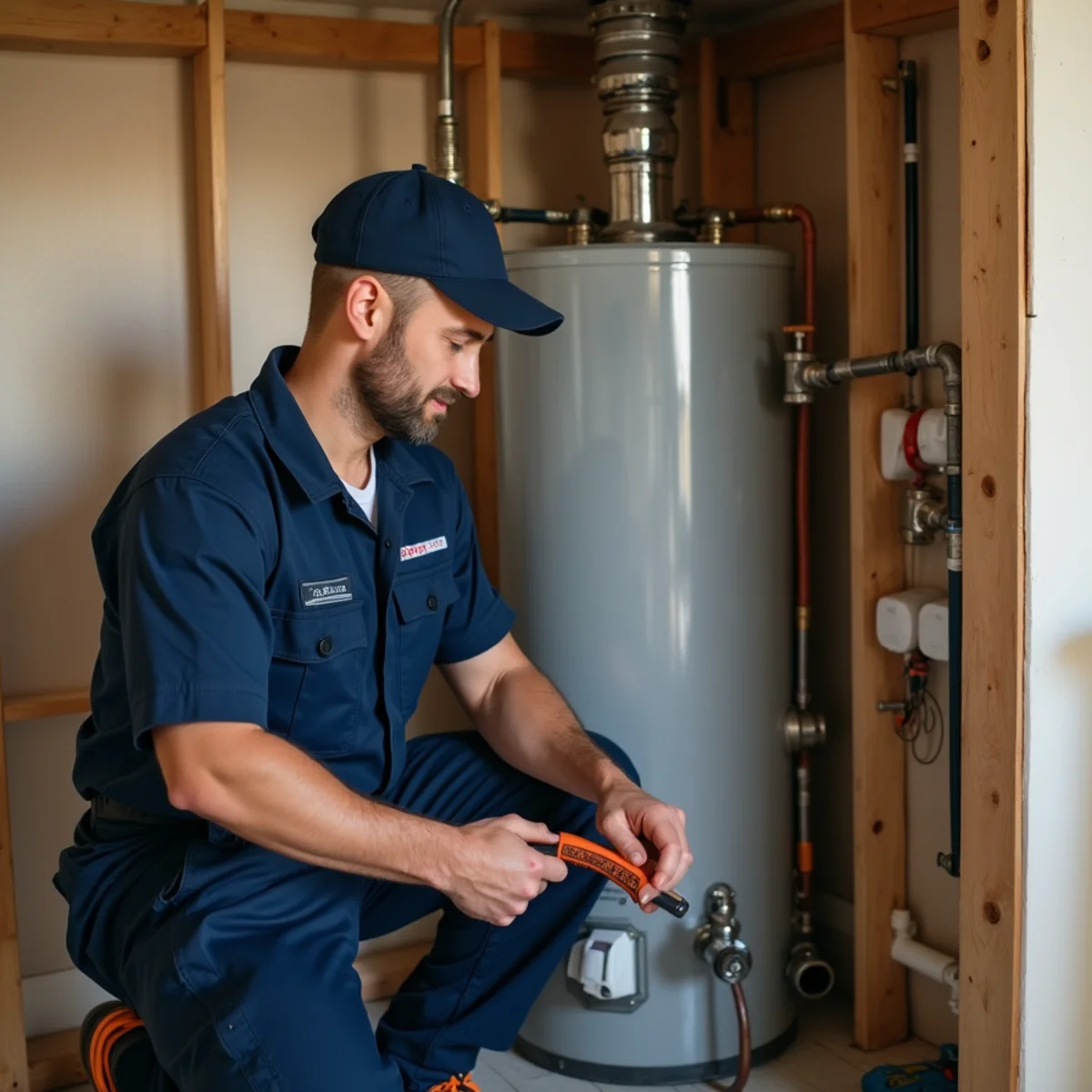
Symptoms and Warning Signs
- A water heater that has aged past its expected service life
- Repair after repair piling up on the same tired unit
- Hot water that runs out faster than the household can work around
- Rust, corrosion, or seepage forming at the base of the tank
- A heater left undersized after a remodel or a growing household
- Energy use creeping up as an old tank loses efficiency
- An older install missing an expansion tank, proper venting, or seismic strapping
- A unit tucked somewhere it no longer suits, like a closet you want back
Common Causes
- Tank corrosion sped along by years of Sacramento hard water
- Packed-in sediment that has stolen capacity and efficiency
- An original builder-installed unit reaching the end of its lifespan
- Demand outgrowing the tank after added bathrooms or occupants
- A move toward the efficiency and space savings of tankless
- Undersized capacity carried over from an earlier builder-grade install
- An older install that no longer meets current code for venting or safety fittings
What to have ready when you contact us
Our Inspection & Diagnostic Process
- 1Review your household's hot-water demand, fuel supply, and the space you have
- 2Recommend a suitable capacity and unit type for the way you actually use it
- 3Confirm the gas line, electrical, or venting the chosen unit will need
- 4Safely disconnect and remove the old unit
- 5Install the new heater with correct connections and proper venting
- 6Add or update the relief line, expansion tank, and seismic strapping, then verify safe operation
- 7Walk you through the basic care that extends its service life
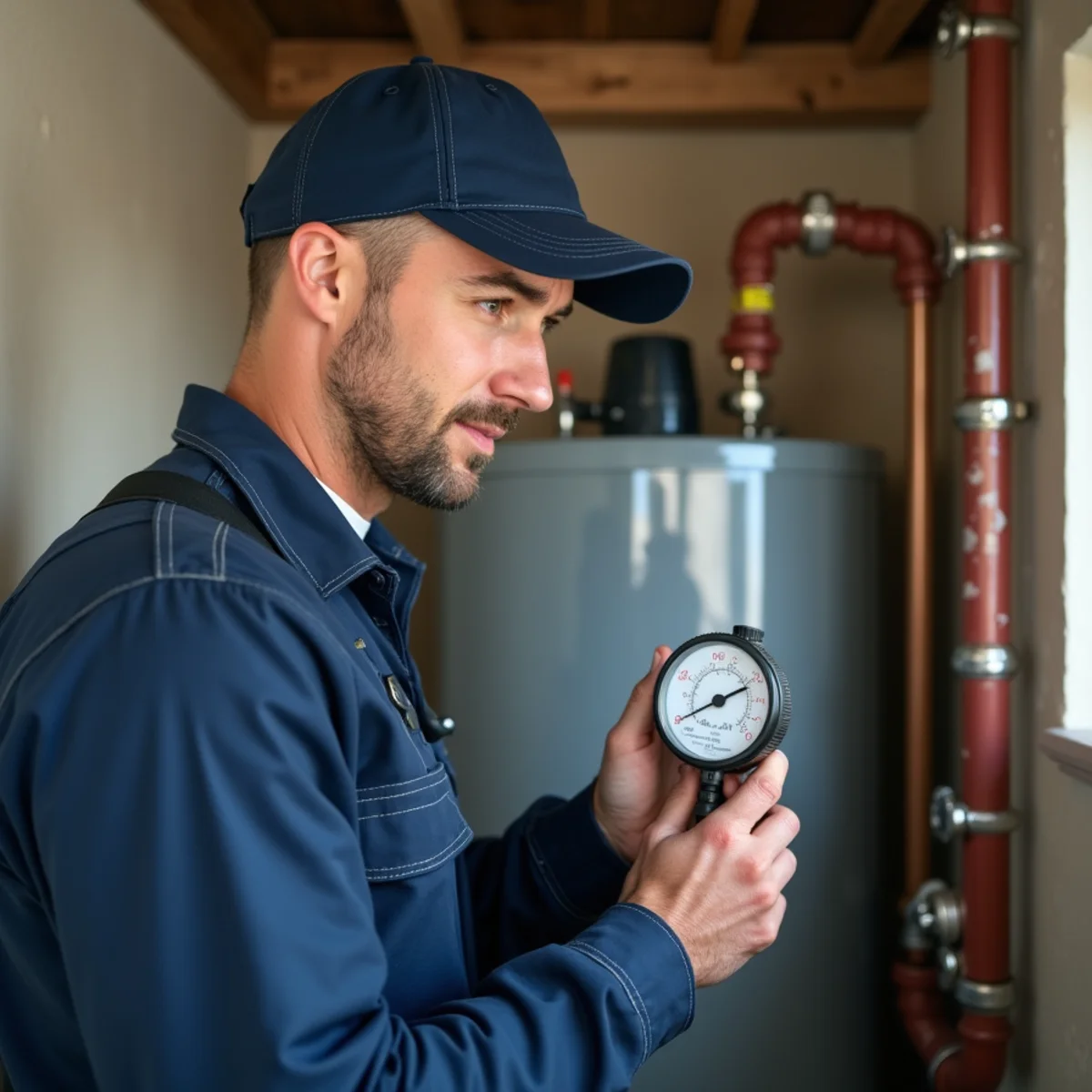
Related service
Water Heater Repair in Sacramento
Diagnosis and repair for tank and tankless water heaters that run cold, leak at the base, or heat unevenly.
Explore this servicePossible Repair & Service Approaches
- Standard tank replacement in the existing footprint
- Capacity upsizing for a growing household
- Tank-to-tankless upgrade, including the gas-line and venting changes it needs
- Gas-to-electric or electric-to-gas conversion where feasible
- Expansion tank, relief line, and seismic strapping upgrades on older installs
- Relocation when a better or safer spot is available
Repair or Replace? How to Decide
There is no single right answer — it depends on the unit's age, the problem, and whether the tank itself is leaking.
Repair
Replace
Residential
- Electric and gas tank installation
- Tankless water heater installation
- Right-sizing for family demand
- Old unit removal and disposal
- Expansion tank, relief line, and seismic strapping
- Tankless conversion planning
Commercial
- Light-commercial water heater installation
- Higher-demand capacity planning
- Break-room and facility hot-water systems
- Coordinated replacement for tenants
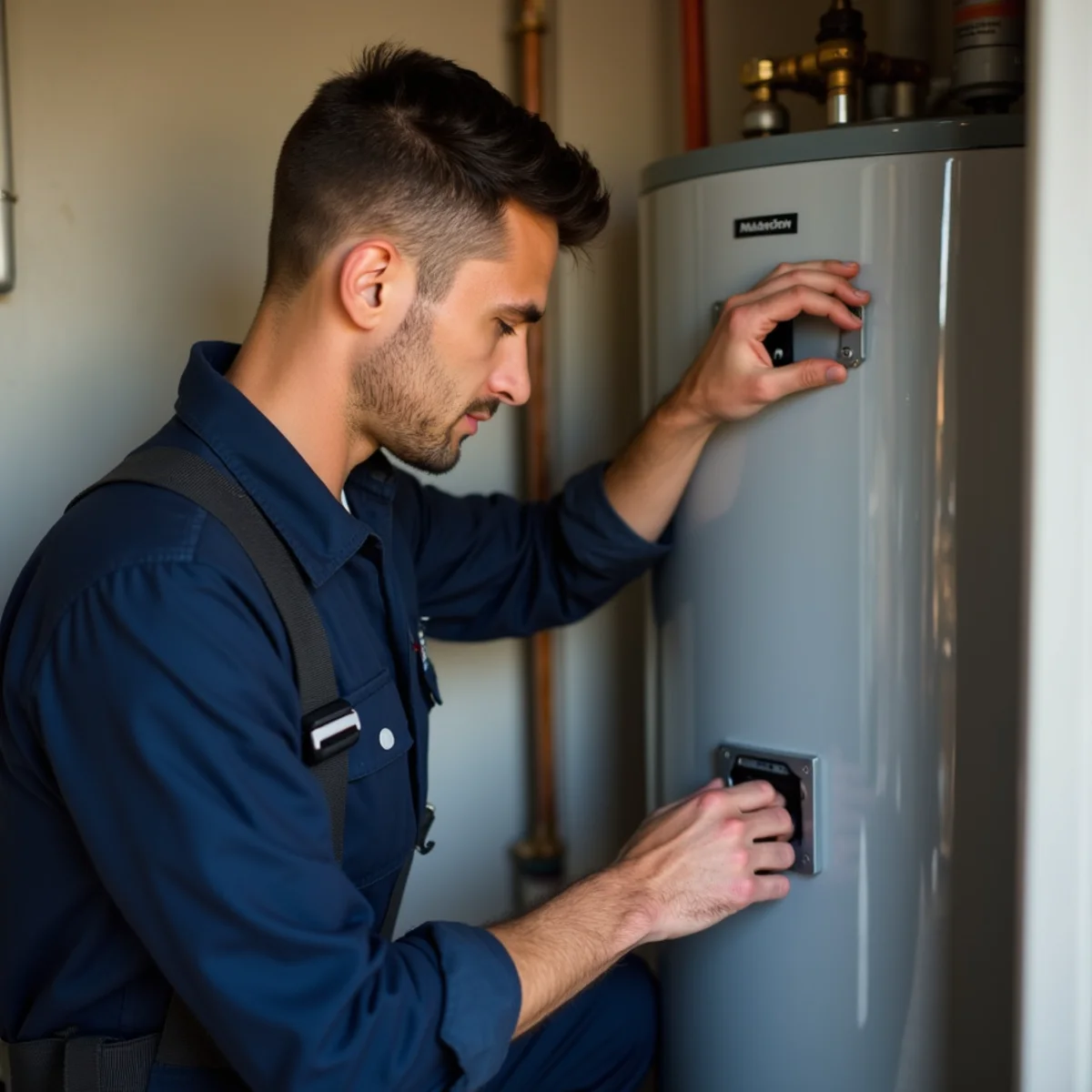
Why Professional Help Matters
A water heater install ties together gas or high-voltage electrical connections, combustion venting, temperature-and-pressure relief, an expansion tank on many closed systems, and the seismic strapping required here, and every one of those details bears on safety and how long the unit lasts. A skilled plumbing technician sizes the heater to real demand and connects it correctly, so you avoid both an undersized tank and an unsafe hookup, and knows that a gas tankless conversion usually needs a larger gas line and dedicated venting rather than the fittings the old tank used. Venting in particular is not a place for shortcuts, because a gas unit that back-drafts is a carbon-monoxide risk, not just an efficiency problem. A permitted, inspected install also creates a record that the venting, gas connection, relief piping, strapping, and clearances were done to code, which protects the next owner as much as it protects you.
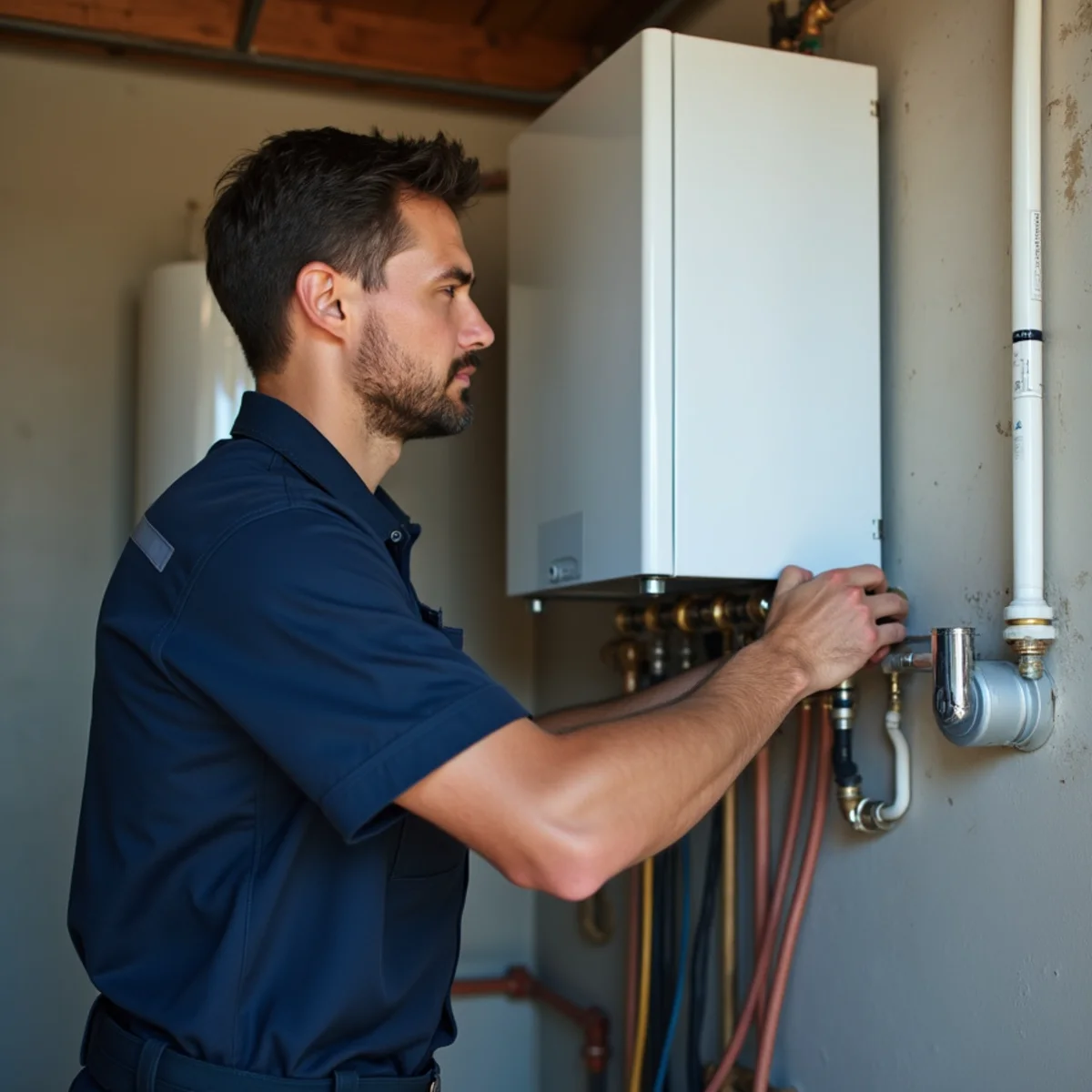
Related service
Tankless Water Heaters in Sacramento
Installation, conversion, repair, and descaling of on-demand tankless water heaters that heat water only as you draw it.
Explore this serviceWater Heater Installation in the Sacramento Area
Because Sacramento's hard water shortens tank life, careful right-sizing and a clean install pay off here in fewer premature failures, and a periodic flush after the swap keeps sediment from stealing the capacity you paid for. Older homes around the city often have their original heater wedged into a tight garage corner, a hall closet, or a raised platform, so we plan the swap around the real access you have and bring the relief line, expansion tank, and seismic strapping up to current code where earlier builder-grade installs skipped them. Tankless is popular in the region for the floor space and standby savings it frees up, but a gas tankless in an older home frequently needs a heavier gas line and new sidewall venting, which is exactly the kind of thing worth planning for before the unit is chosen rather than discovered on install day.
Why Choose Bridelyra Plumbers
- Problem-first diagnosis before recommending work
- Clear explanation of the options and next steps
- Respectful service in homes and businesses
- Solutions matched to your actual plumbing system
- Convenient phone and online contact
- 130 customer reviews
Frequently Asked Questions
It depends on how many people draw hot water and when their showers, laundry, and dishwashing overlap. For a tank we look at first-hour delivery against your peak demand; for tankless we look at flow rate and how many fixtures run at once. We size to that real demand so the unit keeps up without wasting energy heating a tank you never fully use.
Tankless units heat on demand, last longer than a typical tank, and free up floor space, but they cost more up front and a gas model often needs a larger gas line and dedicated venting. The right call depends on your usage patterns, fuel, and budget. We walk through the trade-offs honestly so you can decide with clear information rather than a sales pitch.
California treats a water heater replacement as permitted work, and the inspection that comes with it checks the venting, gas or electrical connection, relief piping, seismic strapping, and clearances. It creates a record that the install was done safely and to code, which matters when you sell the home. We handle the install to those standards.
In a closed system, water expands as it heats and needs somewhere to go. An expansion tank absorbs that pressure rise and protects the heater, the relief valve, and the rest of the plumbing from repeated spikes, which is why many Sacramento installs include one.
Yes. Disconnecting, draining, and hauling away the old unit is part of the installation, so you are not left wrestling a heavy, water-filled tank out of a garage on your own or arranging disposal yourself.
It depends on the unit and the work behind it. A straightforward gas or electric tank swap sits at the lower end; a tankless conversion runs higher because of the gas-line and venting changes, and adding an expansion tank, relief line, or seismic strapping to an older setup adds to it. Once we see your space and connections, you get an upfront service recommendation and price rather than a guess.
A straightforward tank-for-tank swap is often done in a single appointment, while a tankless conversion, a fuel change, or a relocation takes longer because of the added gas, electrical, or venting work. We give you a realistic timeline upfront so you can plan around it.
In hard-water Sacramento, the biggest factors are flushing a tank periodically to clear sediment, descaling a tankless unit on a schedule, and keeping the relief valve and connections in good order. We show you the basics when we finish, so the unit reaches the older end of its service life rather than the younger.