Symptoms and Warning Signs
- Wanting continuous, on-demand hot water that does not run out mid-shower
- An aging tank heater near the end of its life and due for replacement
- Wanting to reclaim the floor or closet space a storage tank takes up
- An existing tankless unit throwing error codes or swinging between hot and cold
- Hot water that takes longer to arrive or no longer reaches full temperature
- Reduced flow or weaker heating as scale builds on the heat exchanger
- A unit that cannot keep up when two showers and an appliance draw at once
- A jump in the gas or electric bill with no change in how you use hot water
- A brief cold burst between draws of hot water, sometimes called a cold-water sandwich
Common Causes
- Hard-water scale coating the heat exchanger and restricting flow and heat transfer
- A unit undersized for the home's real peak demand in gallons per minute
- A clogged inlet water filter or a restricted intake screen
- A venting restriction or partial blockage on a gas unit
- Aging igniters, sensors, or valves inside an older tankless unit
- Undersized gas supply or electrical service capping the unit's output
- Descaling and flush maintenance that has been put off too long
- A recirculation loop that was never balanced or has stopped working
What to have ready when you contact us
Our Inspection & Diagnostic Process
- 1Review your hot-water demand, fuel type, incoming water hardness, and available space
- 2Size the unit to your peak flow so it keeps up with simultaneous fixtures
- 3Recommend a suitable gas or electric model, or diagnose the one you already have
- 4Install with correct gas or electrical connections, venting, and required clearances
- 5Flush and descale the heat exchanger to protect performance and efficiency
- 6Service the inlet filter, sensors, and venting as needed
- 7Test output, flow, and temperature stability with several fixtures running at once
Related service
Water Heater Installation in Sacramento
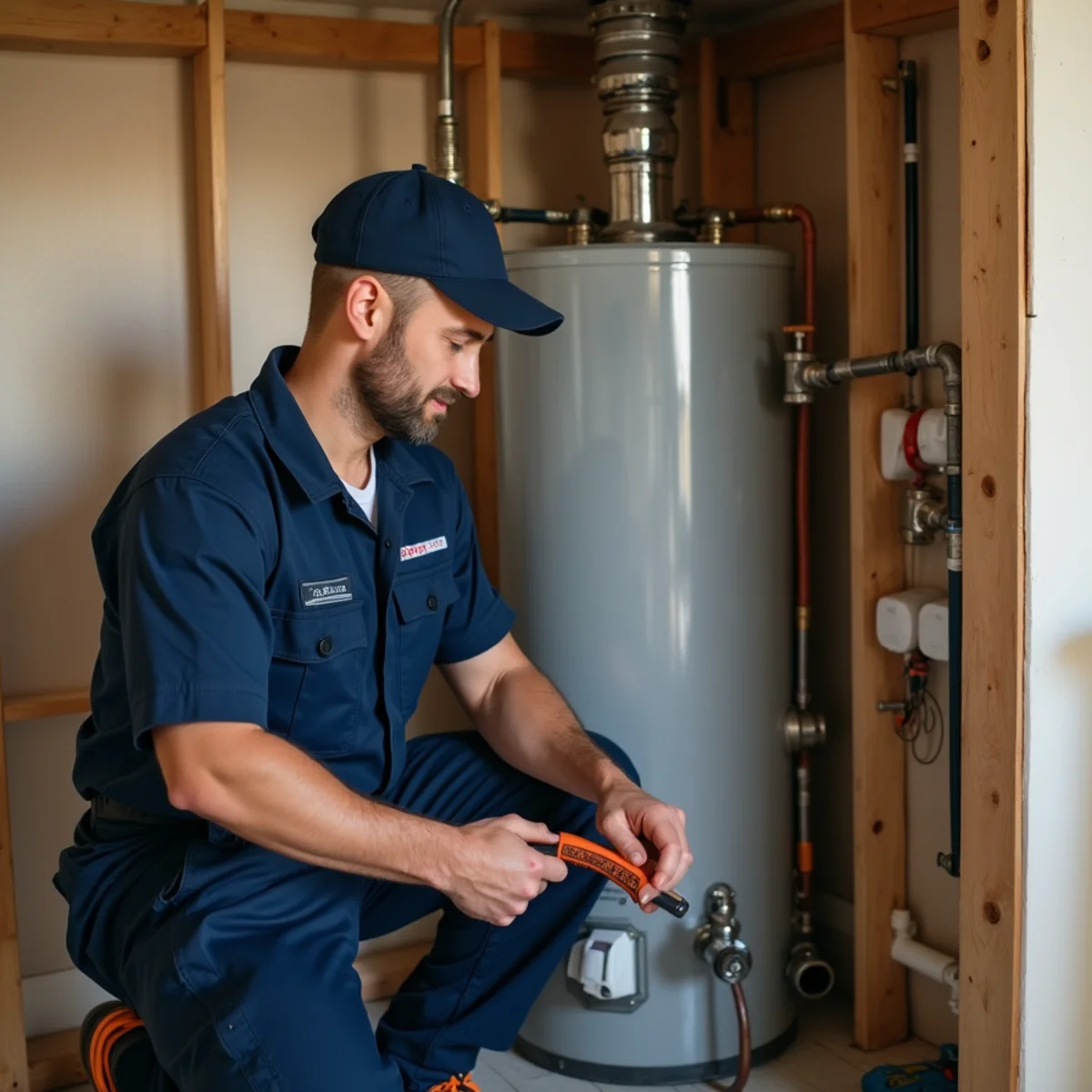
Removal of an aging unit and installation of a right-sized tank or tankless water heater matched to your household's real hot-water demand and installed to code.
Explore this servicePossible Repair & Service Approaches
- Tankless installation and tank-to-tankless conversion
- Gas and electric system selection and right-sizing
- Descaling and flush maintenance on a schedule matched to local water
- Component repair and error-code diagnosis
- Inlet-filter cleaning and venting service
- Recirculation setup or repair for faster hot water at distant fixtures
- Sizing for household or light-commercial demand
Tank vs. Tankless Water Heaters
Both deliver hot water well — the right choice depends on your usage, space, and budget priorities.
Tank
Tankless
Residential
- Tankless installation and tank-to-tankless conversion
- Descaling and flush maintenance for hard-water homes
- Repair and error-code diagnosis
- Right-sizing for the household's peak hot-water use
- Recirculation for faster hot water at far fixtures
Commercial
- Light-commercial tankless installation
- High-demand and multi-unit system service
- Facility descaling and flush maintenance
- Sizing for salons, cafes, and other steady hot-water loads
Why Professional Help Matters
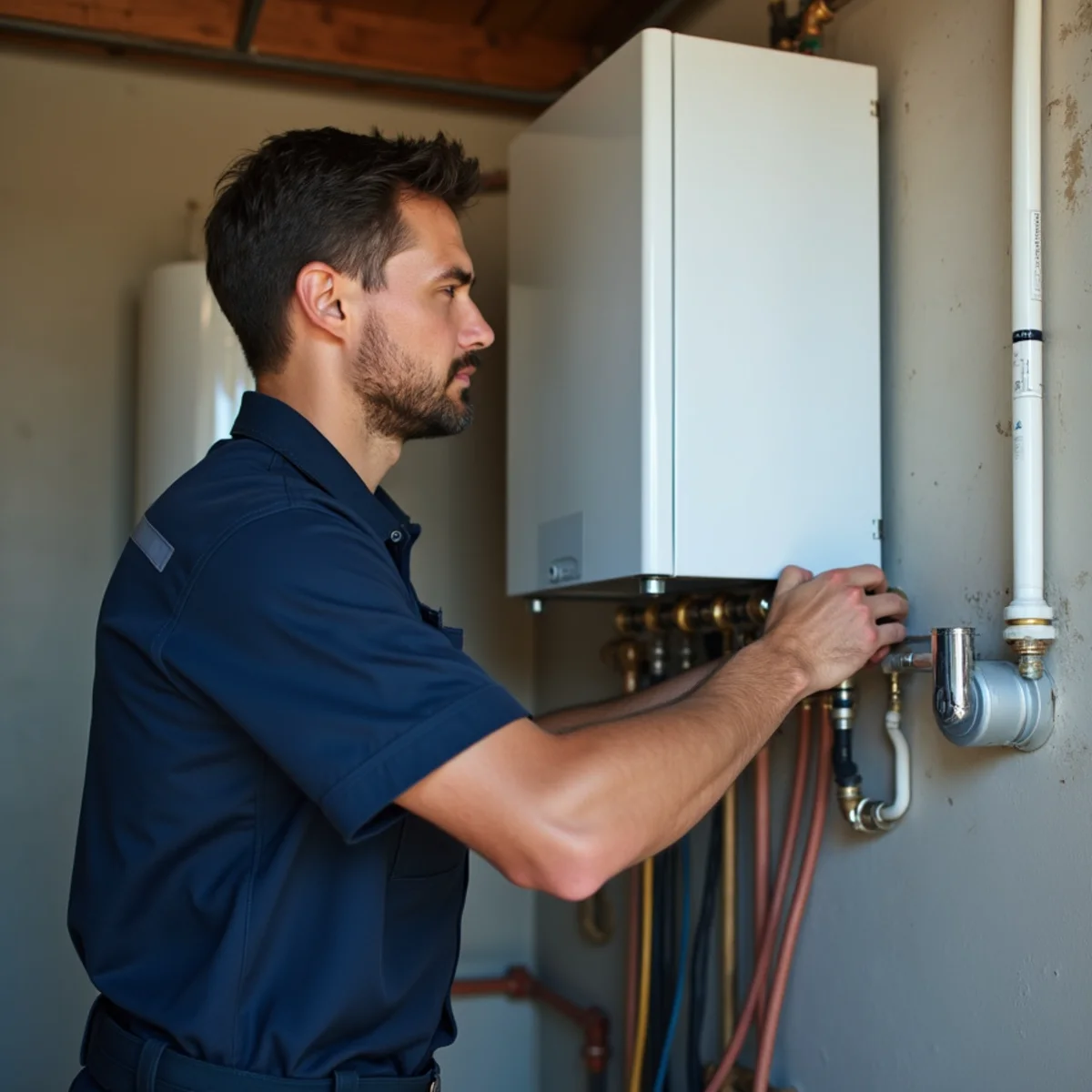
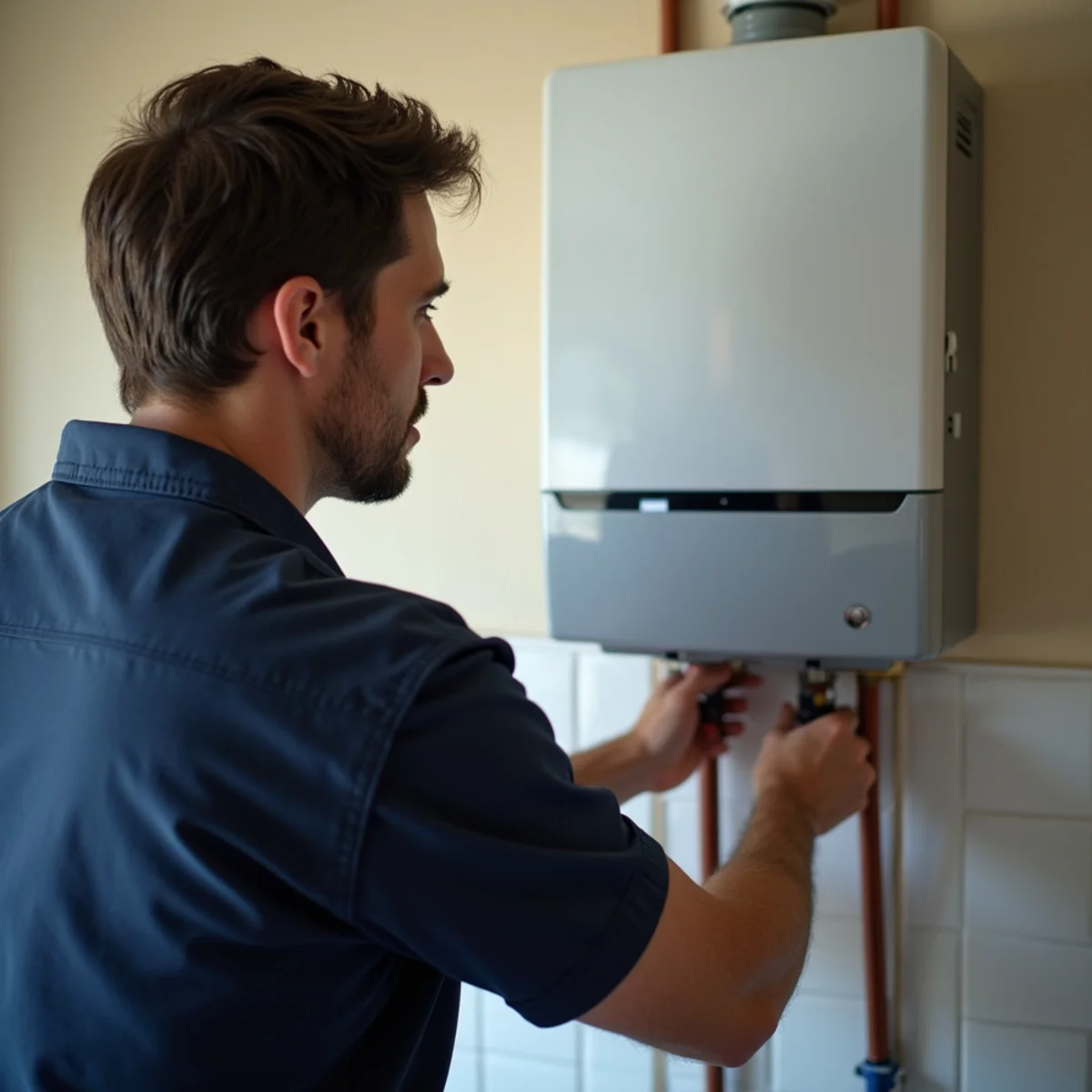
Tankless units are efficient but unforgiving of a rushed install: gas line sizing, venting, electrical capacity, and rated output all have to match the home, or the system underperforms, short-cycles, or trips into an error code. A skilled plumbing technician sizes the unit to your peak flow, makes every connection correctly, and, critically in Sacramento's hard water, keeps the heat exchanger descaled so it never chokes on mineral scale. That maintenance is precisely what protects the efficiency and the long service life you paid for, and it is easy to neglect until output quietly starts slipping.
Related service
Water Heater Repair in Sacramento
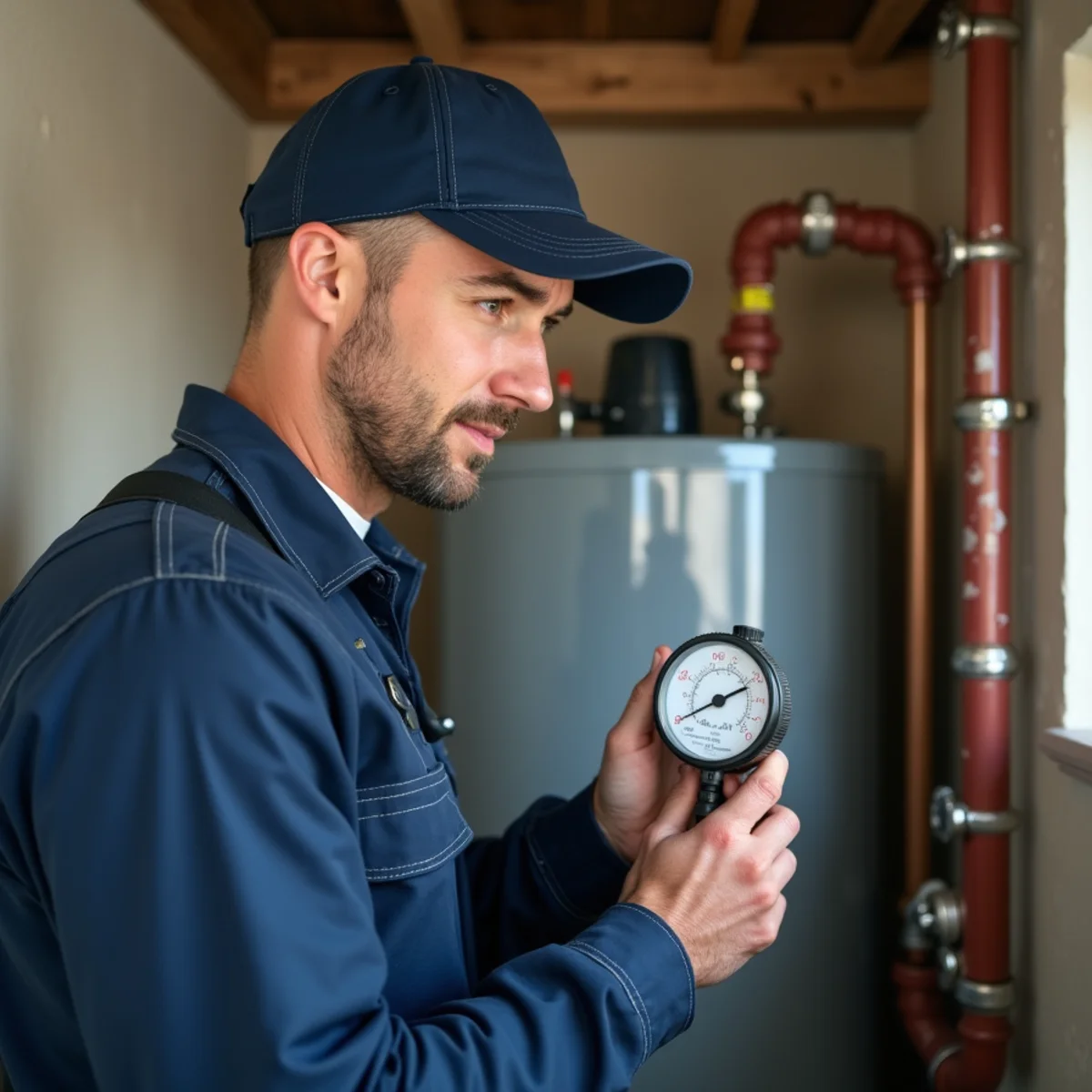
Diagnosis and repair for tank and tankless water heaters that run cold, leak at the base, or heat unevenly.
Explore this serviceTankless Water Heaters in the Sacramento Area
Sacramento's water sits on the harder end of the scale, and that mineral content is the single biggest factor in how a tankless unit performs here, because dissolved calcium and magnesium build up on the heat exchanger and steadily drag down flow, temperature, and efficiency when the unit is not descaled on schedule. Homes on harder sources often benefit from more frequent flushing, and pairing a tankless install with a water softener can slow scale and stretch the intervals between services. Many homeowners converting from a tank are also glad to reclaim a closet or garage corner in the older, space-tight houses common across the central city and inner suburbs. We match every install to the local water with a realistic descaling plan, and where it applies we flag that a new high-efficiency unit may qualify for utility rebates or a federal tax credit worth asking about before you buy.
Why Choose Bridelyra Plumbers
- Problem-first diagnosis before recommending work
- Clear explanation of the options and next steps
- Respectful service in homes and businesses
- Solutions matched to your actual plumbing system
- Convenient phone and online contact
- 130 customer reviews
Frequently Asked Questions
For many homes the continuous hot water and reclaimed space are genuinely appealing, and a well-sized unit typically uses less energy than an always-on storage tank. Whether it pays off depends on your usage pattern, fuel, and how long you plan to stay, so we walk through the trade-offs honestly rather than pushing the upgrade.
The install price depends on gas versus electric, whether the gas line or electrical panel needs upsizing, the venting run, and the unit's capacity, so a home switching from a tank often costs more than a straight unit swap. We assess your setup and give a clear scope before any work, and we can note whether utility rebates or tax credits may apply.
Gas units generally deliver higher flow for whole-home use but need proper gas sizing and venting, while electric units suit smaller homes or point-of-use spots and may require an electrical upgrade. The right choice comes down to your peak demand and your home's existing gas and electrical capacity, which we check before recommending either.
Kept descaled, a tankless unit commonly outlasts a storage tank by a wide margin, which is part of the appeal. Skipping the flush in hard water is the fastest way to cut that short, because scale on the heat exchanger shortens its life, so regular maintenance is what protects the investment.
In Sacramento's hard water, roughly once a year is a sound baseline, and homes on particularly hard water can benefit from every six to nine months. A softener can lengthen the interval. We set a schedule matched to your actual water rather than a generic default.
It delivers continuous hot water up to its rated capacity, but a unit sized too small can fall behind when several fixtures draw at once, such as two showers plus the dishwasher. Sizing it to your real peak flow in gallons per minute is what prevents that shortfall.
Common triggers are scale buildup on the exchanger, a venting issue, a clogged inlet filter, or a gas or ignition fault, several of which Sacramento's water and dust contribute to. We read the specific code, find the underlying cause, and correct it rather than just resetting the unit.
Often, yes, though it can involve gas line, venting, and electrical adjustments to meet the unit's demand, plus a condensate drain on condensing models. We assess whether your setup supports the conversion and explain plainly what it involves before you commit.