Safety note
Water heater installation involves gas or electrical connections and venting that must meet code. Leave the gas, electrical, and venting work to a professional rather than attempting it yourself.
How Each One Works
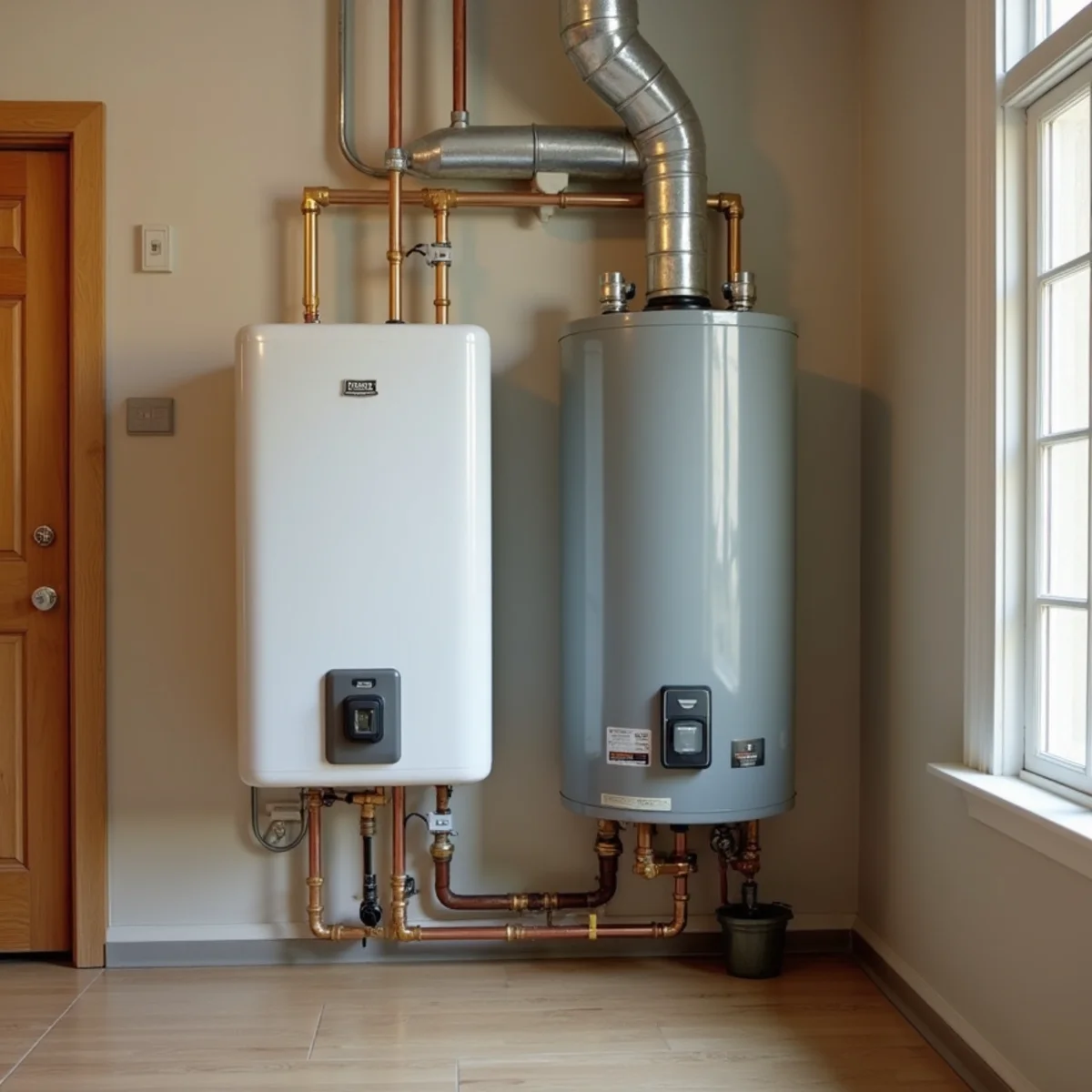
A conventional tank heater keeps a reservoir, commonly 40 to 50 gallons, hot and waiting, then refills and reheats as you draw it down. A tankless unit stores nothing; it heats water only as it flows through, firing up the instant you open a hot tap and shutting off the moment you close it.
That single difference drives everything that follows. One holds a fixed amount of hot water ready to go and is limited by how much it can store, while the other makes an effectively endless supply but is limited instead by its flow rate, the gallons per minute it can heat as water passes through.
Cost, Lifespan, and Efficiency at a Glance
The two types separate most clearly on the numbers. A tank heater is less expensive to buy and install, while a tankless unit costs more up front, partly because installation can involve upgraded gas lines, added venting, or electrical work. Over time, though, a tankless unit tends to use less energy and last longer, which is where owners hope to earn back the difference.
These are general market ranges, not quotes, and your actual figures depend on the equipment, your home's existing setup, and local requirements. Treat them as a way to frame the trade-off rather than a promise.
- Upfront and installation: tank is lower; tankless is higher, especially if gas, venting, or electrical upgrades are needed
- Typical lifespan: tanks often run about 8 to 12 years, tankless units around 15 to 20 with maintenance
- Energy use: the U.S. Department of Energy estimates tankless units can be meaningfully more efficient for lower-use homes, since there is no standby loss from reheating stored water
- Payback: the upfront gap can take several years of energy savings to recover, depending on how much hot water you use
Where Tankless Wins
Because a tankless unit heats continuously, it does not empty out the way a tank does partway through the third shower. It also reclaims a surprising amount of space, mounting on a wall roughly the size of a small suitcase instead of occupying a corner of the garage. And since it is not reheating a standing reservoir around the clock, it avoids the standby heat loss that quietly runs up a tank's energy use.
Tankless units also tend to outlast tank models, and with no reservoir of water on hand, they remove the risk of a ruptured tank dumping dozens of gallons across the floor. For a smaller household, or an owner planning to stay put long enough to benefit from the efficiency, those advantages add up.
- Endless hot water within the unit's flow capacity
- Compact, wall-mounted footprint
- No standby energy loss from a stored reservoir
- Generally a longer service life than a tank
- No large stored volume to rupture and flood
Related service
Water Heater Installation in Sacramento
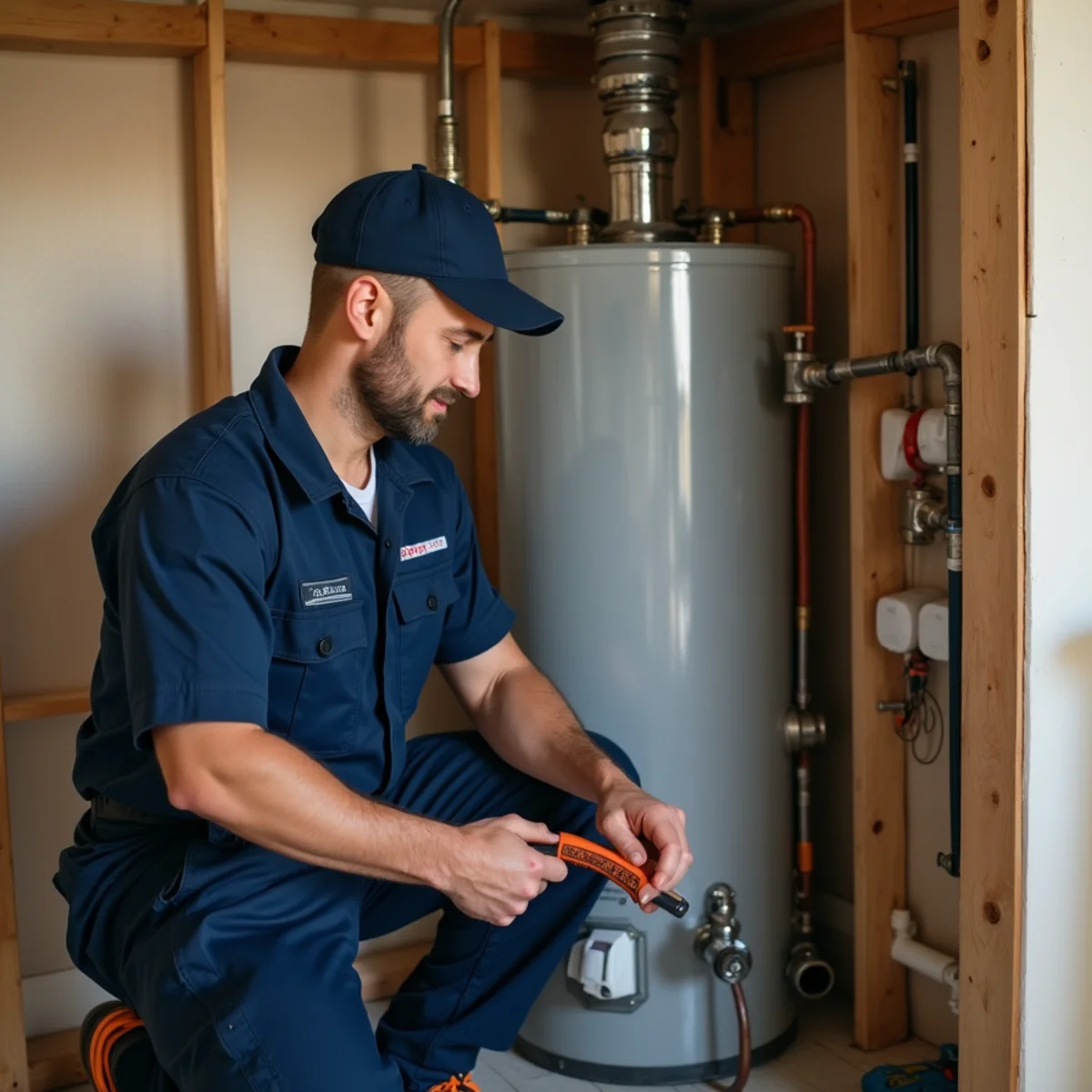
Removal of an aging unit and installation of a right-sized tank or tankless water heater matched to your household's real hot-water demand and installed to code.
Explore this serviceWhere a Tank Wins
A tank heater costs less up front and installs more simply, especially as a like-for-like swap where the connections and venting are already sized for it. It also handles high simultaneous demand well, feeding a shower, the dishwasher, and a sink at once from its stored reservoir instead of straining against a flow-rate ceiling. There is no lag and no cold-water sandwich, that brief cool slug some tankless units send through when hot water restarts after a short pause.
For a household with steady, predictable hot-water use, several fixtures that often run together, or an existing tank setup, replacing it with another tank is frequently the most direct and practical route.
- Lower upfront and installation cost
- Simple like-for-like replacement in most homes
- Handles several fixtures running at once from stored volume
- No flow-rate ceiling or cold-water sandwich effect
Sizing and Simultaneous Demand
Both types have to be matched to how your household actually uses hot water, but they are sized on different terms. A tank is chosen by capacity and recovery, roughly how many gallons it holds and how fast it reheats, so you size it to cover your busiest stretch of back-to-back use. A tankless unit is chosen by flow rate in gallons per minute, so you size it to the peak number of hot fixtures likely to run at the same time.
Get the sizing wrong and either can disappoint. An undersized tank runs cold during the morning rush; an undersized tankless unit cannot keep two showers and the dishwasher hot at once. In larger homes, some owners solve this with a higher-capacity unit or by adding a second tankless heater for a distant bathroom. This is exactly the kind of judgment worth walking through with a plumber rather than guessing.
Related service
Water Softener Services in Sacramento
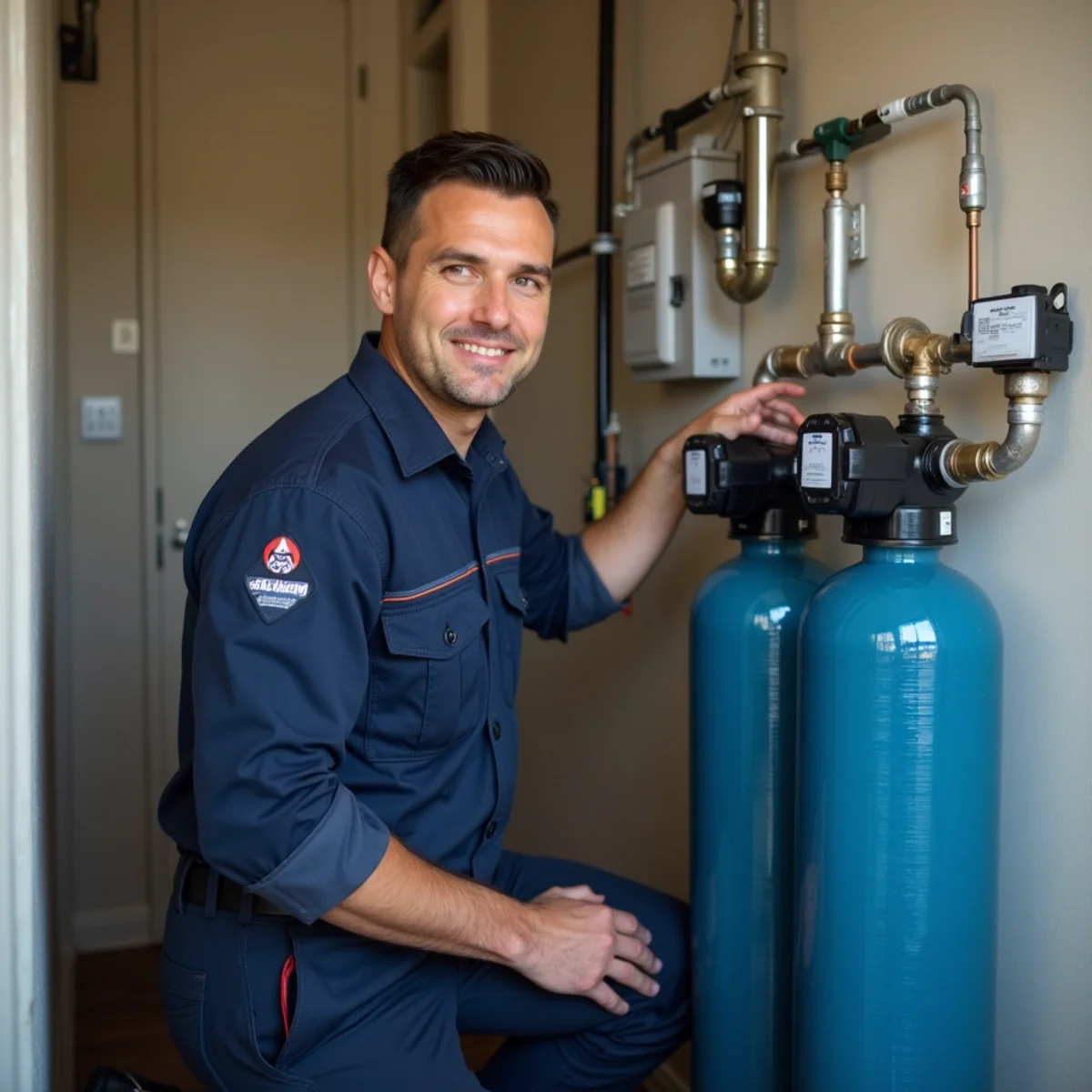
Installation, repair, and service of water softeners that tame hard water and its mineral buildup.
Explore this serviceThe Sacramento Hard-Water Factor
Hard water works on both types, but tankless units feel it more acutely. Mineral scale collects on the compact heat exchanger they rely on, and even a thin coating drags down efficiency and output faster than sediment troubles a roomy tank. In an area with water as hard as ours, that is not a footnote.
The fix is to plan for it: pair a tankless unit with water treatment, or commit to periodic descaling, and scale never gets the chance to undercut the advantages you paid for. Tank heaters are not immune either; they still need regular flushing to clear sediment. Going in with that maintenance expectation is the difference between a heater that stays efficient and one that slowly disappoints.
Choosing What Fits Your Home
The right answer comes down to your household size, hot-water habits, how many fixtures run at once, the space you have, your budget, how long you plan to stay in the home, and how much maintenance you are willing to keep up with. A small, efficiency-minded household that stays put often leans tankless; a busy family with heavy simultaneous demand and an existing tank often leans tank. There is no universal winner here, only the unit that suits your particular situation best.
To talk through which type fits your home, size it correctly, and plan an installation in the Sacramento area, contact Bridelyra Plumbers at +1 (207) 419-2600.
Tank vs. Tankless Water Heaters
Both deliver hot water well — the right choice depends on your usage, space, and budget priorities.
Tank
Tankless
Frequently Asked Questions
It supplies continuous hot water within its flow capacity, so it will not deplete the way a tank does. Running many fixtures at the same time can outrun its flow rate, though, which is why sizing it correctly for your home matters.
It depends on your priorities. Tankless brings endless hot water, a compact footprint, no standby energy loss, and a longer typical lifespan, while a tank costs less to install and handles simultaneous demand easily. The upfront gap can take several years of energy savings to recover, so the value hinges on your household's usage and how long you plan to stay.
A tank heater commonly lasts about 8 to 12 years, while a well-maintained tankless unit often runs 15 to 20. Both figures depend heavily on water quality and upkeep, and in hard water regular flushing or descaling makes a real difference to how close you get to the top of those ranges.
Yes. Tankless units are more sensitive to scale, which collects on the heat exchanger and saps performance. In Sacramento's hard water, periodic descaling or paired water treatment keeps a tankless unit running efficiently, while a tank simply needs regular flushing.
Bridelyra Plumbers Editorial Team
Reviewed for practical accuracy by our plumbing team
Published December 8, 2025 · Updated April 8, 2026