Symptoms and Warning Signs
- A rotten-egg or sulfur smell near an appliance, meter, or run of pipe
- A faint hiss or whistle coming from a gas connection or fitting
- A stovetop or burner flame that burns yellow or orange instead of steady blue
- A pilot or burner that struggles, starves, or will not stay lit
- A new range, dryer, water heater, furnace, or fire pit that needs a gas connection
- Plans to extend gas to a patio, garage, pool heater, or other new spot
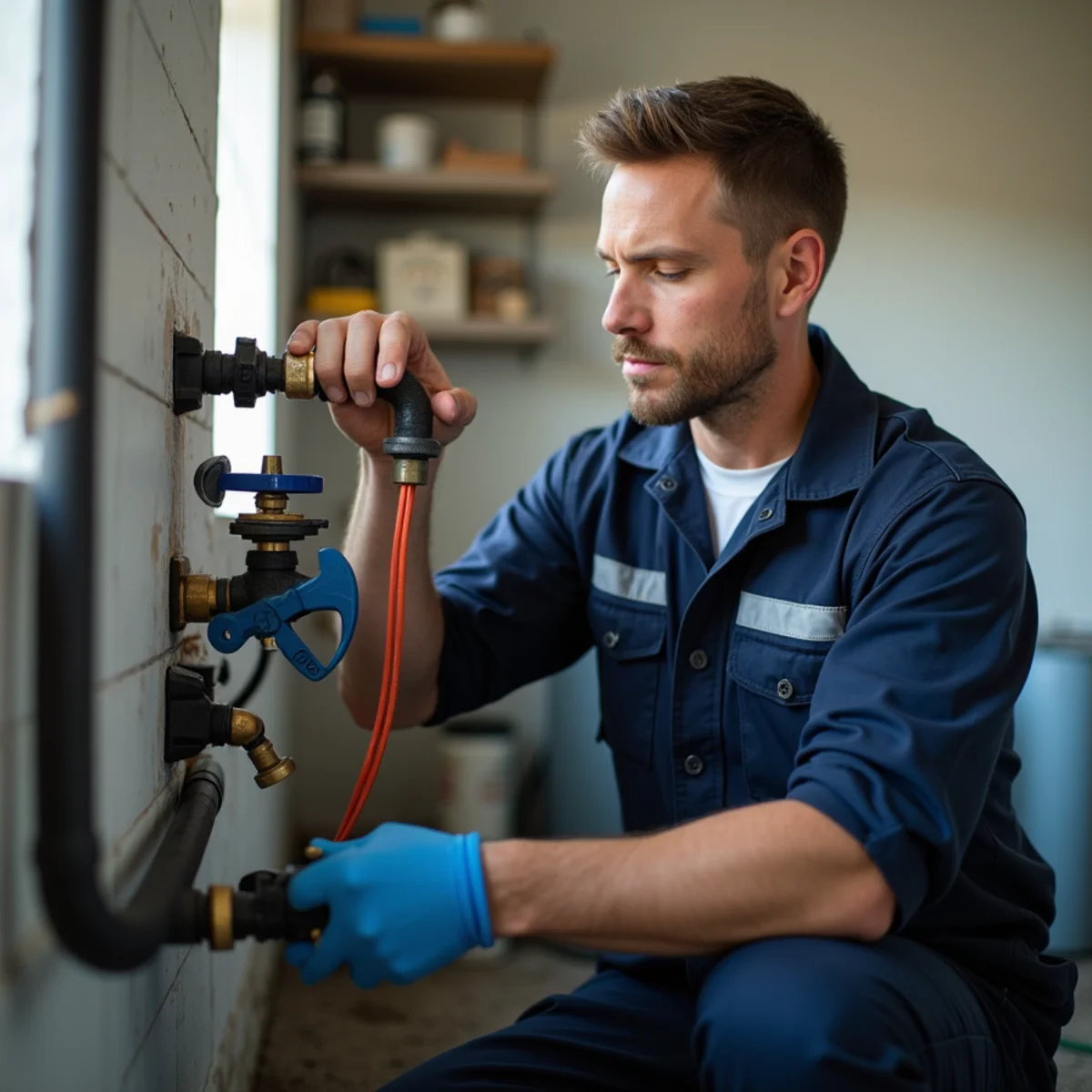
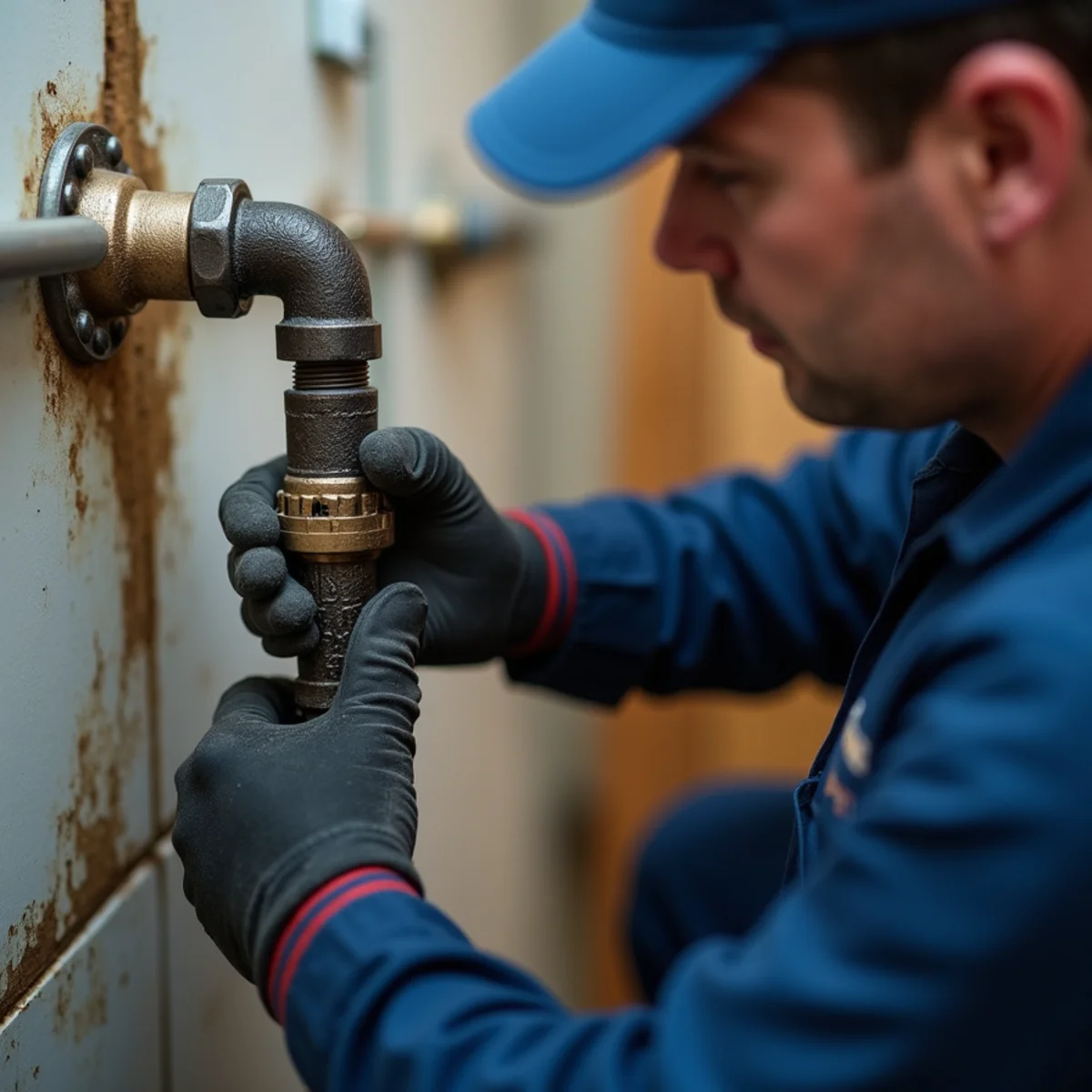
- An older gas line showing corrosion, surface rust, or scale at the threads
- A gas bill creeping up with no change in how much you use
- Headaches, dizziness, or nausea that ease when you leave the house
- Dead patches of grass or bubbling in standing water over a buried line
Common Causes
- Gas piping that has corroded from the inside or taken physical damage
- Threaded fittings and connections that have loosened or failed over time
- An appliance tapped into a line too small to feed its BTU demand
- An exposed line knocked or bent in a garage, yard, or crawlspace
- Aging black-iron or galvanized pipe in an older home reaching the end of its service life
- A flex connector or CSST run that was kinked, over-bent, or improperly bonded
- A missing or clogged sediment trap letting debris reach the appliance valve
- Prior work done without a permit, the right sealant, or a proper pressure test
What to have ready when you contact us
Our Inspection & Diagnostic Process
- 1Talk through your goal and inspect the existing gas system, meter, and appliance connections
- 2Calculate the load and size the line to the combined BTU demand it must carry
- 3Plan the routing, shutoffs, and the appliance connection
- 4Install or repair the piping with materials rated for fuel gas, adding sediment traps where needed
- 5Pressure-test the line and check every joint and connection
- 6Confirm the whole system holds, relight and verify appliances, then return it to service
Related service
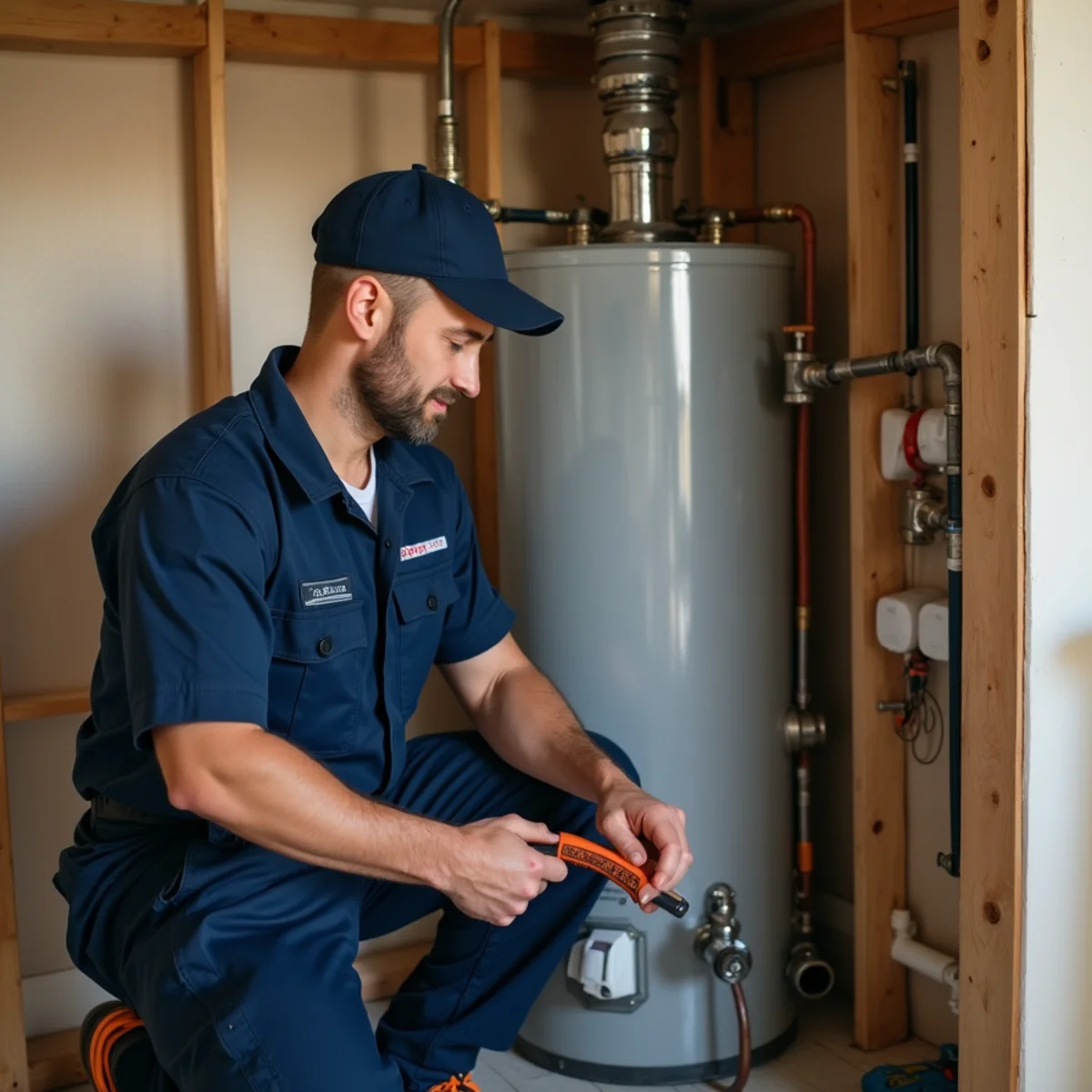
Water Heater Installation in Sacramento
Removal of an aging unit and installation of a right-sized tank or tankless water heater matched to your household's real hot-water demand and installed to code.
Explore this servicePossible Repair & Service Approaches
- Installing new gas lines and branch runs
- Extending gas to appliances or to outdoor use
- Sizing lines to appliance BTU demand and total system load
- Connecting and reconnecting gas appliances
- Leak testing and repairing failed connections
- Replacing aging, corroded, or damaged lines
- Adding or relocating shutoff valves and sediment traps
- Capping and safely retiring lines to removed appliances
Residential
- Hooking up ranges, cooktops, dryers, furnaces, and other gas appliances
- Running gas out to grills, outdoor kitchens, fire pits, and pool heaters
- Sizing and installing lines for electric-to-gas conversions
- Repairing and replacing residential gas lines
- Leak testing existing gas piping
Commercial
- Gas lines for restaurant and commercial kitchens
- Connections for commercial gas appliances and equipment
- Rooftop and mechanical-room gas piping for facilities
- Ongoing gas line service and leak testing for facilities
Why Professional Help Matters
Gas is one area where doing it yourself simply is not worth the risk, because an undetected leak puts everyone in the building in danger. A qualified technician calculates the load, sizes the line to the appliance's BTU demand, makes proper connections with fuel-rated materials, and pressure-tests the system to confirm it holds before anything is lit. Gas work also involves permits and code requirements around routing, support, and shutoffs that a professional handles as a matter of course. If you suspect a leak right now, leave the area and contact your gas utility and a professional from somewhere safe rather than trying to find it yourself.
Related service
Commercial Plumbing in Sacramento
Repair, service, and preventive maintenance for Sacramento restaurants, offices, retail, and multi-tenant buildings, scheduled to keep the doors open.
Explore this serviceGas Line Plumbing in the Sacramento Area
Sacramento's blend of historic and newer homes means gas systems here run from decades-old black-iron pipe in a Land Park or Curtis Park bungalow to modern CSST installations in a recent build, and the older runs can corrode from the inside or sit in configurations that predate current code. Central-city homes often hide their gas lines in tight crawlspaces or against the back of a narrow lot, which makes careful routing and access part of the job. The region also sits in seismically active territory, so a well-supported line and a functioning shutoff matter here in ways they might not elsewhere. Whether we are connecting a new range in a remodeled midtown kitchen or extending gas to a backyard patio, every connection in these varied systems is treated as a safety-first task.
Why Choose Bridelyra Plumbers
- Problem-first diagnosis before recommending work
- Clear explanation of the options and next steps
- Respectful service in homes and businesses
- Solutions matched to your actual plumbing system
- Convenient phone and online contact
- 130 customer reviews
Frequently Asked Questions
Leave the area right away, do not touch light switches, appliances, or anything that could spark, and avoid open flames. Do not start a car in an attached garage. From somewhere safe outside, contact your gas utility and a professional. Do not try to locate or repair a suspected gas leak yourself.
Yes. We calculate the load, plan the routing, install a line sized for that appliance's BTU demand, and pressure-test the connection before it is put into service, so it runs the equipment properly and holds tight.
Often, yes, for grills, outdoor kitchens, fire features, and pool heaters. We assess the route and whether the system has the capacity to feed the added load, then install and test the extension before you use it.
A pressure test confirms the line holds with no leaks before it ever carries gas. The line is charged with air or inert gas and watched on a gauge to prove it stays tight. It is the core safety step on any gas work, new or repaired, and it is not something to skip.
Common materials include black-iron or steel pipe, corrugated stainless steel tubing known as CSST, copper in some applications, and polyethylene for buried runs. The right choice depends on the location, the load, and local code, which is part of what a technician sorts out on site.
Undersized lines show up as burners that struggle, a water heater that recovers slowly, or appliances that starve when several run at once. The fix is a load calculation across everything the line feeds, then sizing or upgrading the pipe to match.
Cost tracks with the length of the run, the pipe material, how accessible the route is, whether excavation is involved, and the number of appliances and shutoffs. A buried or in-wall line naturally takes more work than an exposed one in a garage. We assess the specifics before quoting so the price reflects your actual job.
If a line has corroded, been damaged, or no longer meets the demand placed on it, replacing it is safer than patching it. We inspect the system and advise based on its actual condition rather than its age alone.