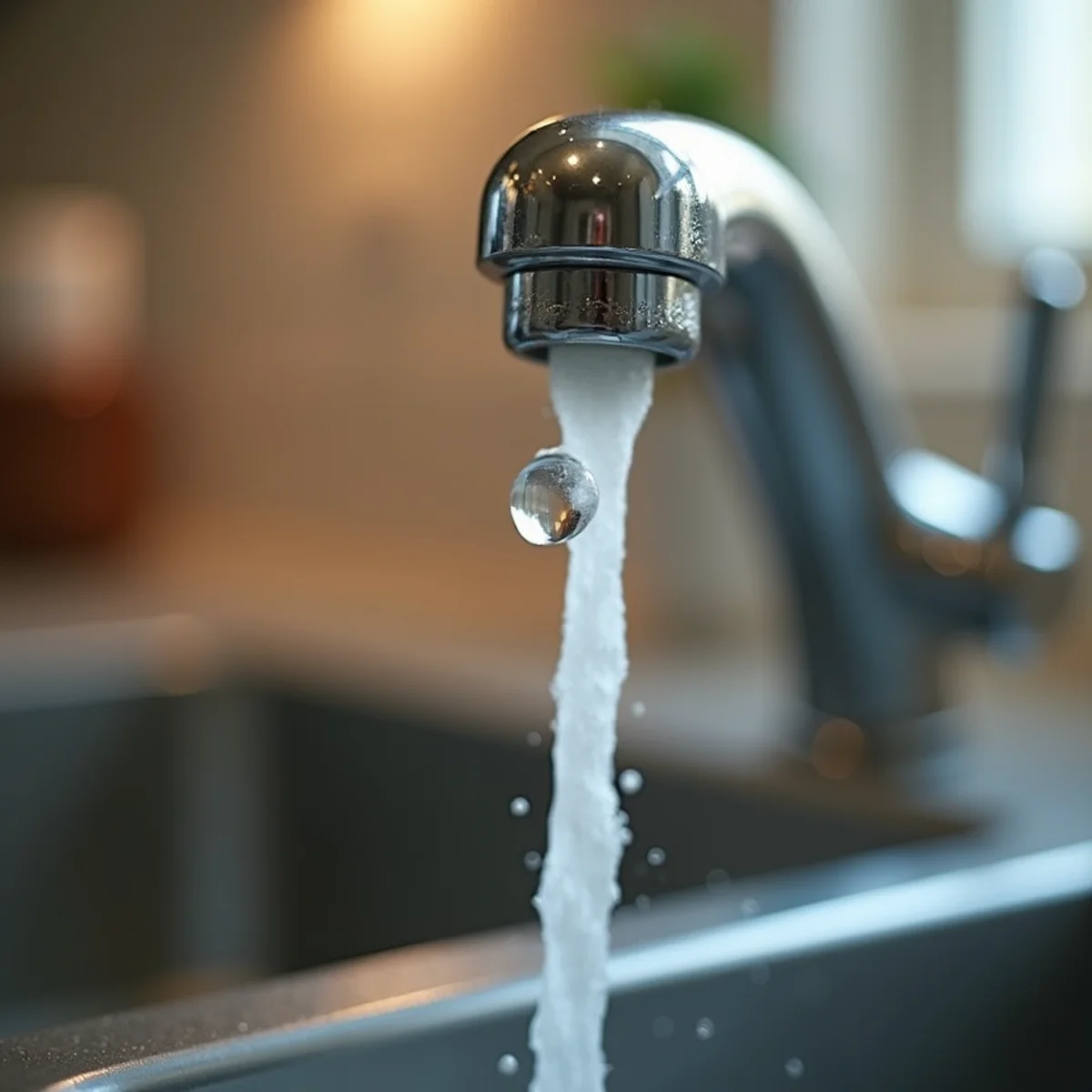
Know Your Faucet Type
Faucets come in a few families, and each one fails in its own way. Compression faucets rely on rubber washers that flatten and wear out. Cartridge, ball, and ceramic-disc faucets use entirely different internals, each with its own seals and O-rings.
Figuring out which type you have narrows the repair right away. A single handle that swings to mix hot and cold usually rides on a cartridge or ball assembly, while separate hot and cold handles typically mean a compression or ceramic-disc design. Ceramic-disc models are the most durable of the group, but even they eventually give up their seals.
Where the Drip Appears Tells You a Lot
Before anyone opens the faucet, the location of the water narrows the cause. A drip from the end of the spout points to a worn washer, cartridge, or valve seat deep inside. Water seeping from around the base of the handle usually means a failed O-ring on the stem. A puddle underneath the sink, rather than at the fixture itself, is a supply-line or connection leak, which is a different problem than a true drip.
Reading the leak this way saves time and often tells you whether it is a quick part swap or something that needs a closer look.
- Drip from the spout tip: washer, cartridge, or valve seat
- Water around the handle base: worn stem O-ring
- Puddle under the cabinet: supply line or connection, not the faucet
Worn Washers, O-Rings, and Seals
In a compression faucet, a rubber washer presses down against a seat to shut off the flow. Every time you crank the handle tight, that washer wears a little flatter, until it can no longer seal and the spout drips even fully closed.
Cartridge and disc faucets depend instead on O-rings and seals that harden and crack as they age. Swapping these small, inexpensive parts usually restores a crisp shutoff without replacing the whole faucet.
- Flattened rubber washers in a compression faucet
- Hardened or cracked O-rings around the stem
- A worn cartridge that no longer seals cleanly

Related service
Plumbing Repair in Sacramento
Diagnosis and repair for the everyday leaks, drips, running toilets, and low-pressure complaints that quietly wear down a Sacramento home's plumbing.
Explore this serviceHow Hard Water Speeds the Wear
Sacramento's mineral-heavy water leaves scale on valve seats and internal parts, and those gritty deposits grind through washers and seals faster than soft water ever would. Fine sediment adds to the abrasion.
That is why a faucet can run fine for years, then start dripping and need attention again sooner than you would expect. Treating the water hardness itself, with a softener, can stretch the life of every faucet in the house and cut down how often internal parts need replacing.
A Corroded Valve Seat
The valve seat is the surface the washer closes against. When mineral buildup or corrosion pits and roughens that surface, even a brand-new washer cannot settle into a perfect seal, and the drip carries right on.
When that happens, the seat has to be cleaned, resurfaced, or replaced. It is the most common reason a do-it-yourself washer swap fails to stop a stubborn drip, and why the same faucet keeps dripping after a fresh part goes in.
When High Water Pressure Is the Culprit
Sometimes the parts are fine and the pressure is the problem. If a faucet only drips at certain times of day, or briefly after you shut it off, unusually high household water pressure can be forcing past seals that would otherwise hold. The same excess pressure is often behind banging pipes and running toilets elsewhere in the house.
When several fixtures drip or hammer at once, the pressure across the whole system is worth checking rather than repairing each faucet in isolation. A plumber can measure it and, if needed, look at a pressure-reducing valve so the entire system runs in a safe range.
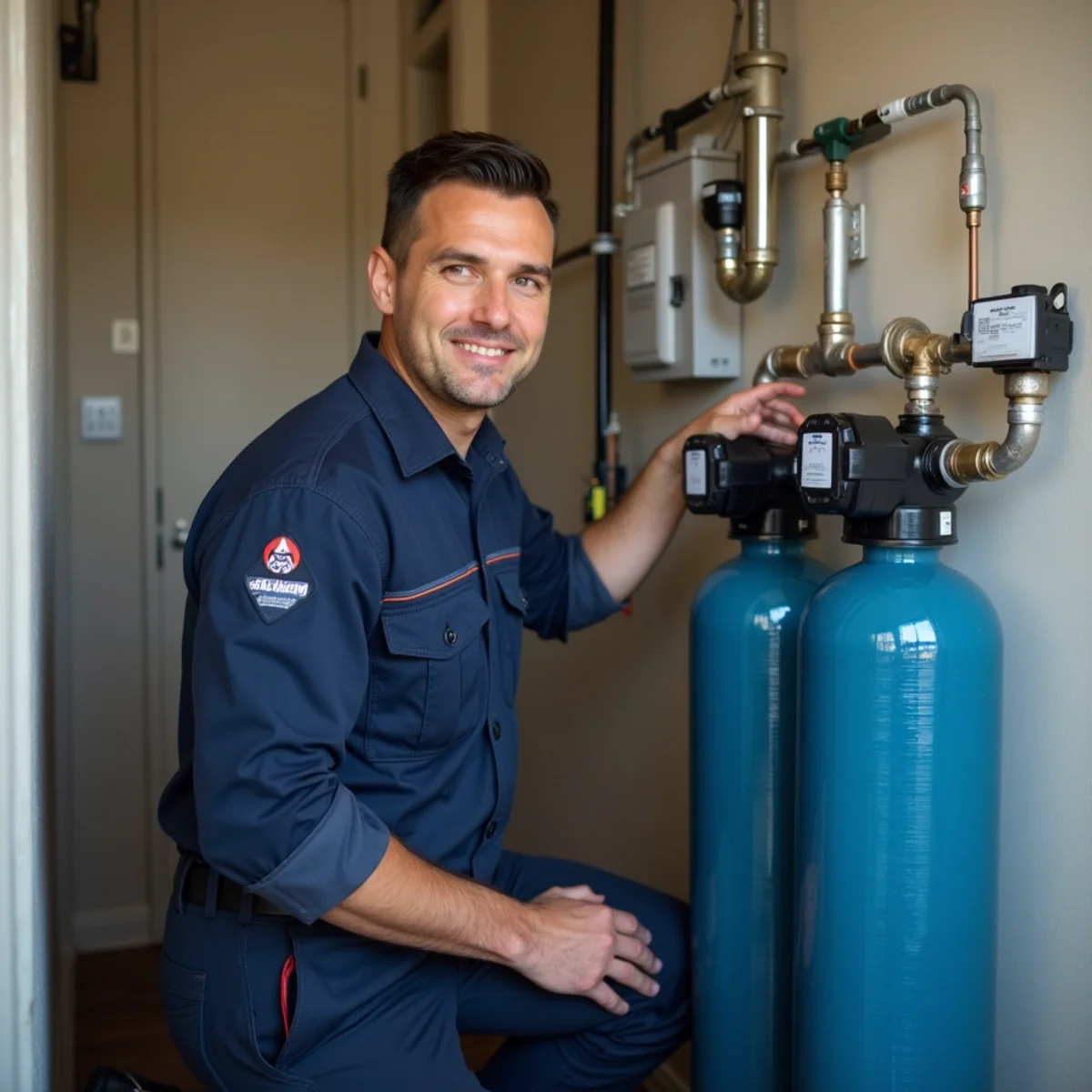
Related service
Water Softener Services in Sacramento
Installation, repair, and service of water softeners that tame hard water and its mineral buildup.
Explore this serviceSafe Steps You Can Try First
A basic drip is often within reach for a careful homeowner. Start by closing the shutoff valves under the sink and opening the faucet to relieve any pressure. Plug the drain so small parts cannot escape, then take the handle apart, inspect the washer, O-ring, and cartridge, and replace whatever looks flattened, cracked, or scaled. Soaking mineral-crusted parts in white vinegar can clean them up.
If the drip returns after a fresh washer or cartridge, the valve seat or faucet body is likely the issue, and that is the point to hand it to a professional rather than forcing parts that will not seal.
When Repair Makes Sense
Almost every drip is worth repairing rather than living with, since the parts are inexpensive and the waste never lets up. If new washers or a fresh cartridge do not stop it, a corroded seat or a worn faucet body is often the reason, and a plumber can tell you whether a repair or a replacement is the better value.
For a drip that will not quit, reach Bridelyra Plumbers at +1 (207) 419-2600 to have the faucet assessed and repaired.
Frequently Asked Questions
A corroded or pitted valve seat is the usual reason. If the surface the washer closes against is damaged, even a new washer cannot form a seal, so the seat itself needs cleaning, resurfacing, or replacement.
Intermittent dripping often points to water pressure rather than a worn part. When pressure spikes at certain times of day, it can push past a seal that otherwise holds. If the drip comes and goes, it is worth having household pressure measured.
A steady drip adds up to gallons a day and hundreds of gallons over a year. Beyond the constant annoyance, it is a small but continuous cost, and an easy one to eliminate with a quick repair.
A single slow drip is not an emergency, but it should not be ignored either, because the waste is constant and a failing seal only gets worse. Water spreading under the cabinet or a spray you cannot shut off is more urgent and worth addressing promptly.
Bridelyra Plumbers Editorial Team
Reviewed for practical accuracy by our plumbing team
Published December 1, 2025 · Updated April 15, 2026