
Set a Simple Maintenance Cadence
Maintenance sticks when it becomes a rhythm rather than a project you keep meaning to get to. The easiest way to keep a whole-house system healthy is to sort the tasks by how often they actually need doing, then attach them to something you already track, like the start of a season or the arrival of the water bill.
Most of what matters falls into three buckets. A few things deserve a monthly glance, a few more suit a seasonal walk-through, and a small number of bigger jobs belong on an annual calendar. Working the list this way means nothing important goes years without attention, which is exactly how small issues turn into flooded floors.
- Monthly: scan under sinks and around toilets, check drain speed, listen for running toilets
- Seasonally: inspect visible pipes and valves, test outdoor fixtures, clear aerators and showerheads
- Annually: flush the water heater, exercise the main shutoff, book a professional inspection if the home is older
Watch for Leaks Regularly
Leaks are the most common plumbing problem and the most destructive, and plenty of them stay hidden until the damage is already done. Get in the habit of glancing under sinks, around the base of toilets, and near the water heater for any dampness, softened cabinet floors, or the faint musty smell that hints at moisture behind a wall.
The meter test is a reliable periodic check. Shut off every fixture and appliance, note the meter reading or watch the small leak-indicator dial, and check again after an hour or two of no use. Any movement means water is escaping somewhere, and catching it now keeps the repair small. A silent toilet leak is the classic culprit here, so a few drops of food coloring in the tank that show up in the bowl without a flush is a quick way to catch a worn flapper.
- Inspect under sinks and around toilets for moisture
- Watch the water bill for unexplained jumps
- Run the meter test with all water off
- Dye-test toilets to catch a silent tank-to-bowl leak
Keep Drains Flowing
Steady drain care heads off the clogs that eventually become backups. Keep grease and cooking oil out of the kitchen drain entirely, since they pour in as a liquid and harden into a lining that catches everything after it. Drop strainers into sinks and tubs to trap food scraps and hair, and flush drains with hot water now and then to move residue along before it settles.
If a drain is slowing despite good habits, deal with it before it plugs completely. Reach for a plunger or a drain snake rather than harsh chemical drain openers, which can sit against pipe walls and corrode older metal lines while doing little for a solid clog. Slow drains that keep coming back, especially across several fixtures at once, point past a single clog toward the main line and are a signal to have the system checked professionally.
- Never pour grease or oil down the kitchen drain
- Use strainers to catch food scraps and hair
- Favor a plunger or snake over caustic drain chemicals
- Treat several slow drains at once as a main-line warning
Maintain the Water Heater
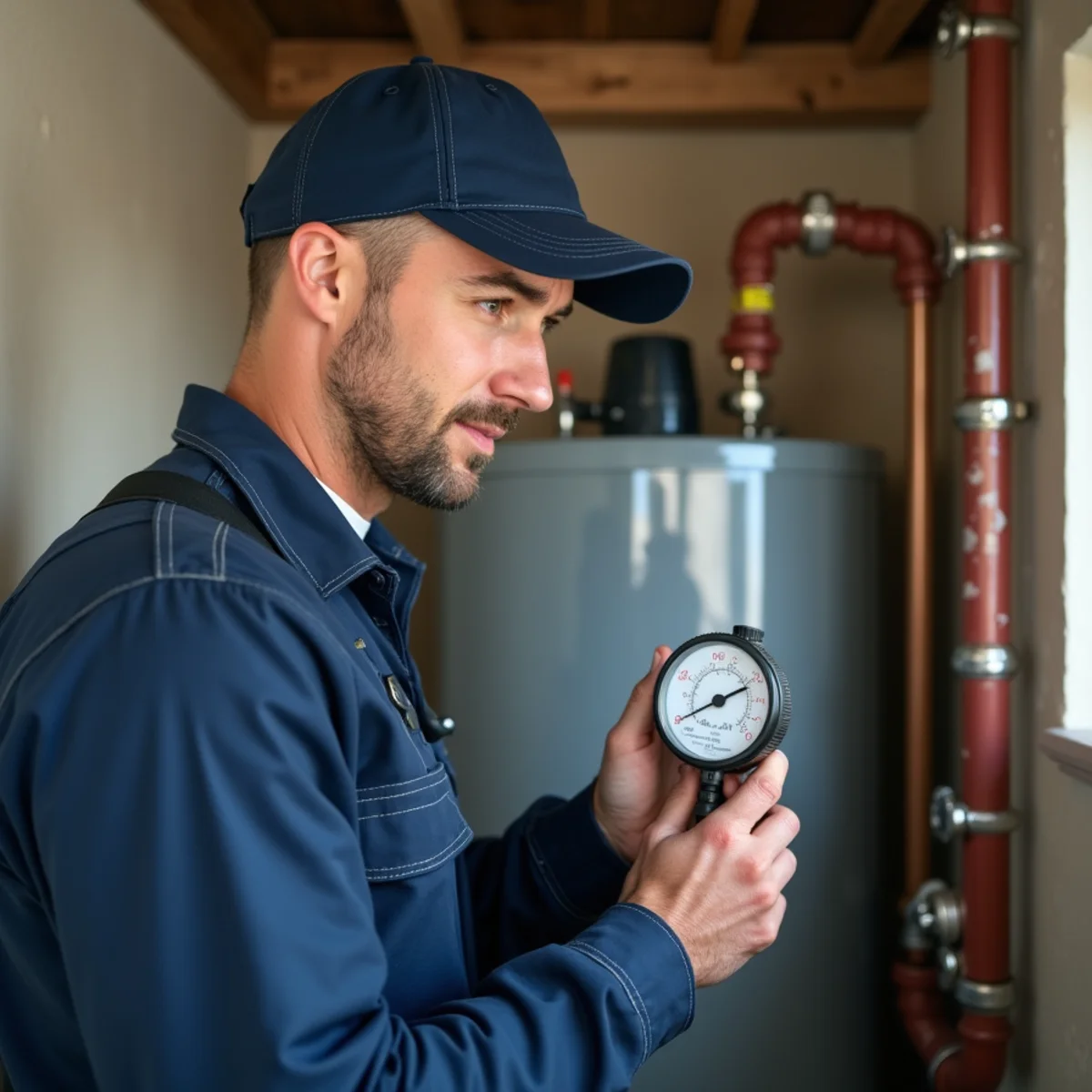
In hard-water Sacramento, the water heater earns a spot near the top of any maintenance list because minerals settle out of the water and pile up as sediment on the tank bottom. Flushing the tank roughly once a year, or more often if your water runs especially hard, clears that sediment before it insulates the burner from the water, drives up energy use, and shortens the unit's life.
While you are there, scan the base and connections for moisture or rust streaks, and look over the temperature and pressure relief valve, the safety device that guards against dangerous pressure buildup. Listen, too, for the popping or rumbling that a sediment-packed tank makes as it heats. Setting the thermostat around 120 degrees is a sensible balance of comfort, scald safety, and efficiency. Draining a tank involves hot water and, on gas models, a pilot and gas control, so if you are not comfortable with the process it is a reasonable one to hand off.

Related service
Plumbing Inspection in Sacramento
A methodical, whole-home evaluation of your plumbing system that finds hidden problems and ranks them before they turn into expensive emergencies.
Explore this serviceManage Sacramento's Hard Water
Hard water is a fact of life across the Sacramento region, and managing it protects the entire system rather than one fixture at a time. The dissolved minerals leave scale that narrows pipes, stiffens valves, crusts over faucet aerators and showerheads, and shortens the life of every water-using appliance in the house.
Clearing that scale is often a simple job: unthread an aerator or showerhead and soak it in white vinegar to dissolve the deposits and bring a stalled tap back to full flow. Treating the water at its source with a softener or conditioner goes further, slowing the buildup working its way through the whole system. Because this one factor touches pipe life, fixture wear, and water-heater performance all at once, getting ahead of it pays off across the entire home instead of in a single spot.
- Soak clogged aerators and showerheads in white vinegar
- Consider whole-house softening or conditioning at the source
- Expect hard water to accelerate water-heater sediment
Work the Seasonal Passes
Sacramento's mild climate spares homeowners the deep-freeze plumbing worries of colder regions, but the seasons still shape a sensible maintenance calendar. Spring is a natural reset after winter: check outdoor faucets and irrigation for splits or leaks that showed up during cold snaps, and confirm hose bibs run freely before the watering season ramps up.
Summer and its heavy irrigation and guest traffic put the most demand on drains and the water heater, so it is a good time to confirm everything is draining well and the heater is keeping up. Fall is when the region's short list of frost nights starts to matter. When a hard freeze is in the forecast, disconnect and drain garden hoses and cover exposed hose bibs, since even Sacramento's occasional overnight dip below freezing can split an unprotected outdoor line or a pipe in an uninsulated space.
- Spring: inspect outdoor faucets and irrigation after winter
- Summer: verify drains and the water heater handle peak demand
- Fall and winter: disconnect hoses and cover hose bibs before frost nights
Do Not Overlook Outdoor Plumbing
The plumbing outside the walls tends to get the least attention and can cause the most disruption when it fails. Walk the yard and check hose bibs and spigots for drips, look over any visible irrigation manifolds and backflow devices, and note where your sewer cleanout is so it can be found quickly if a backup ever strikes.
Pay attention to the ground itself. A patch of lawn that stays soggy without a sprinkler running, a stripe of grass that is greener and faster-growing than the rest, or a soft depression along the sewer path can all signal an underground leak or a line under strain. These clues are easy to miss precisely because they are outdoors, so a deliberate seasonal look pays off.
Related service
Water Heater Repair in Sacramento
Diagnosis and repair for tank and tankless water heaters that run cold, leak at the base, or heat unevenly.
Explore this serviceKnow Your Shutoffs
Every property owner should know where the main water shutoff is and confirm it actually turns, because it is your first line of defense when a pipe or supply line lets go. Locate it, label it if it is hard to find, and gently work it once a year so it does not seize in place. Note that in a real burst, closing the main is the safe, effective move, while the meter shutoff at the street is generally the utility's to operate.
Exercise the smaller fixture shutoff valves under sinks and behind toilets too, since valves that sit untouched for years are exactly the ones that seize or start weeping the moment you finally need them. A shutoff you have already tested is the difference between a quick save and a soaked floor.
- Find, label, and yearly-test the main shutoff
- Exercise fixture valves under sinks and toilets
- Make sure everyone in the household knows where the main is
Know What to Leave to a Professional
A homeowner can safely handle the glances, the strainers, the vinegar soaks, and the shutoff tests. Beyond that, some work carries risks that call for a trained plumber: anything involving the gas line on a water heater, opening up a sewer or main drain, chasing a leak inside a wall, or diagnosing recurring backups across the whole house. Pushing past your comfort level on those can turn a manageable repair into a bigger and costlier one.
A periodic professional inspection is the backstop for everything a homeowner cannot see, from corrosion inside walls and slab leaks to the early stages of root intrusion in the sewer. It is especially worthwhile for Sacramento's many older homes, where aging galvanized supply lines and clay or cast-iron sewer pipe are nearing the end of their service lives. To schedule a maintenance inspection, contact Bridelyra Plumbers at +1 (207) 419-2600.
Frequently Asked Questions
A periodic inspection, roughly once a year or whenever you notice recurring trouble, catches hidden problems early. Older Sacramento homes with aging galvanized or cast-iron lines benefit from more regular professional attention.
Flushing the water heater at least yearly, soaking mineral scale off aerators and showerheads, and treating the water at its source all counter the hard-water effects that otherwise shorten the life of pipes, fixtures, and appliances.
Hard freezes are uncommon here, but the region does get a handful of nights below freezing each winter. Disconnecting and draining garden hoses and covering exposed hose bibs before a cold snap is usually enough to protect outdoor lines and pipes in uninsulated spaces.
Shutoff valves left untouched for years can seize or start weeping the moment you finally turn them. Testing them ahead of time makes sure your main shutoff works in an emergency, when stopping the water fast is what saves the floor.
Bridelyra Plumbers Editorial Team
Reviewed for practical accuracy by our plumbing team
Published November 24, 2025 · Updated March 25, 2026