Safety note
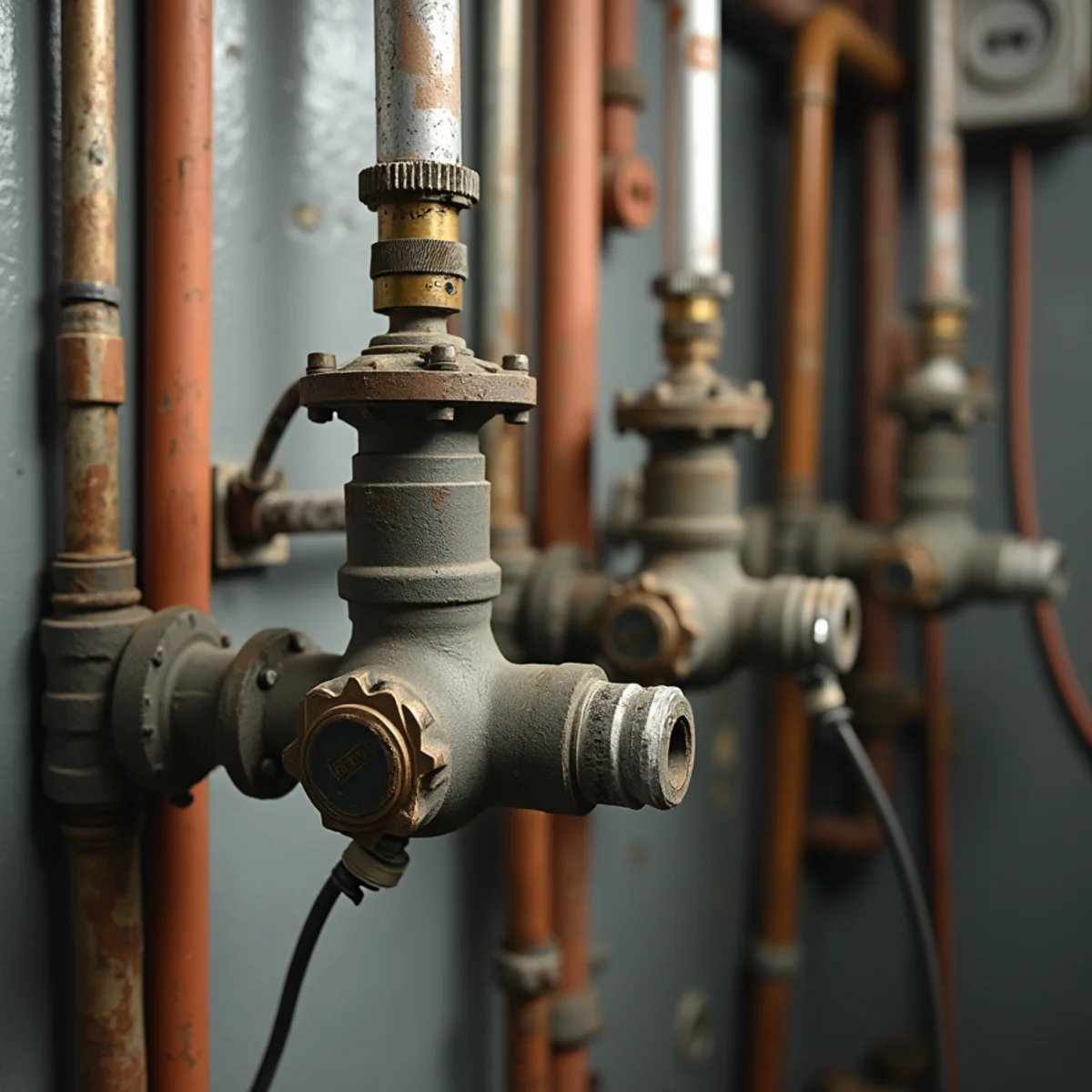
Backflow prevention testing, grease interceptor service, and sewer work in an occupied commercial building involve contamination and code-compliance risks that call for a qualified professional. Do not attempt to open or clear a sewer or grease line yourself.
Aging Infrastructure Under Heavy Use
A lot of downtown plumbing is decades old and yet serves far more people than the single household it might once have. Pile that volume onto that age and the wear on supply lines, drains, and fixtures speeds up considerably.
Corroding pipe, valves that no longer hold, and worn-out fixtures are all common, and when one lets go it rarely affects just one tenant. That is why a planned assessment carries more weight here than in a single-family home: one failure can take an entire floor offline and disrupt several businesses at once.
Drain, Sewer, and Grease Demands
Commercial and mixed-use buildings lean hard on their drains, and nowhere harder than where there is a kitchen. Grease from restaurant lines cools and cakes onto the inside of shared pipe, and grease is a leading cause of commercial sewer backups, which is why food-service tenants rely on grease traps or interceptors that themselves need scheduled pumping and cleaning. Meanwhile heavy fixture use across offices and retail keeps the whole drainage system working overtime.
The payoff for neglect is frequent clogs and backups that ripple through shared plumbing. Staying ahead with regular drain maintenance, including hydro-jetting the grease-prone lines and keeping traps on a pumping schedule, is what keeps a backup from landing in the middle of a lunch rush.
- Grease buildup in restaurant and shared kitchen lines
- Grease traps and interceptors that need scheduled pumping
- High-volume fixture use straining shared drains
- Backups that can affect multiple tenants at once
Water Pressure and Distribution
A multi-story, multi-tenant building has to push water evenly to dozens of fixtures across several floors. Aging pipe and mineral scale throw that balance off, and the upper floors or the fixtures farthest from the riser are usually the first to run weak. At the other extreme, pressure that runs too high strains valves, fittings, and fixtures and shortens their life, so the goal is balance rather than simply more force.
Running down a distribution problem in a larger building calls for a methodical approach, because the culprit might be a failing pressure regulator, a booster pump issue, corroded risers, or scale narrowing a few specific branches rather than one obvious fault you can point to. A systematic diagnosis saves guesswork and avoids replacing the wrong component.
Related service
Hydro Jetting in Sacramento
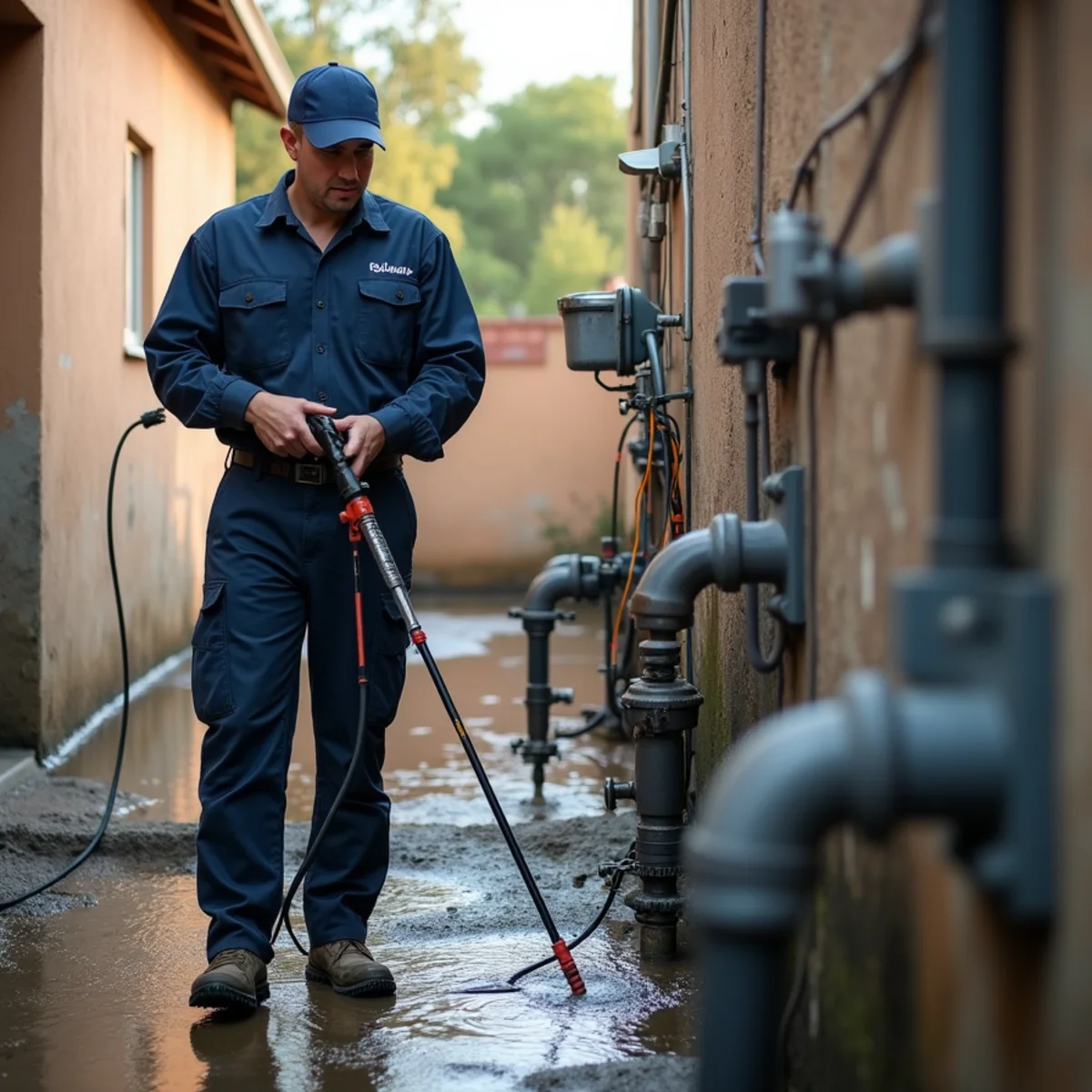
High-pressure water cleaning that scours grease, hard-water scale, root hairs, and packed sludge off the full inside wall of a drain or sewer line.
Explore this serviceBackflow Prevention and Water Safety
Commercial buildings, especially those with food service, irrigation, or mechanical systems, carry a real risk of backflow, where a drop in supply pressure can pull used or contaminated water back toward the clean supply. Backflow prevention assemblies guard against this, and in most jurisdictions they are subject to testing requirements to confirm they still function.
For a property owner, keeping backflow preventers in working order is both a health safeguard and a compliance matter. A commercial plumber can test the assemblies, flag any that are failing, and keep the paperwork current so the building stays on the right side of local requirements. This is specialized work best left to a professional rather than handled in-house.

Related service
Leak Detection in Sacramento
Pinpointing hidden water leaks behind walls, under floors, and beneath slabs with acoustic and thermal methods, before they turn into major damage.
Explore this serviceAging Fixtures and Restroom Reliability
Shared and public restrooms take relentless use, and their fixtures wear accordingly. Constantly running toilets, dripping faucets, faulty flush valves, and failing shutoffs are minor on their own but add up across a building, wasting water and generating a steady stream of tenant complaints.
Upgrading tired fixtures and keeping flush valves and shutoffs serviced reduces both water waste and the small emergencies that pull maintenance staff away from planned work. In a high-traffic setting, reliable restrooms are part of what keeps tenants and their customers satisfied.
The Value of Proactive Commercial Care
The common thread through all of it is simple: reactive repairs are expensive and disruptive, while planned maintenance keeps a building running quietly. A commercial plumbing assessment flags the aging components, the grease and drain risks, and the backflow devices due for testing while they are still manageable, not after they have become an emergency.
For owners and managers, scheduled care protects tenants and reputation in one move, and it makes budgeting predictable instead of reactive. To arrange a commercial plumbing evaluation, contact Bridelyra Plumbers at +1 (207) 419-2600.
Frequently Asked Questions
Heavy fixture use and grease from food service put far more strain on shared drains than a single home ever does, so buildup and clogs happen more often. Grease is a leading cause of commercial sewer backups, and when a line clogs it can affect several tenants at once.
It depends on the volume of food the kitchen produces, but grease traps and interceptors generally need pumping and cleaning on a regular monthly or quarterly schedule. A plumber can set the right interval for a given kitchen and keep the line from backing up between services.
Backflow happens when a pressure drop pulls used or contaminated water back toward the clean supply. Backflow prevention assemblies stop that, and they are typically subject to periodic testing. Keeping them working is both a health safeguard and a compliance matter, and it is specialized work for a professional.
In a multi-tenant building, water from a concealed leak can travel between units and down through floors, damaging spaces well beyond where it started. That reach is what makes early detection, and watching for signs like bill spikes and ceiling staining, especially important downtown.
Bridelyra Plumbers Editorial Team
Reviewed for practical accuracy by our plumbing team
Published October 27, 2025 · Updated February 3, 2026