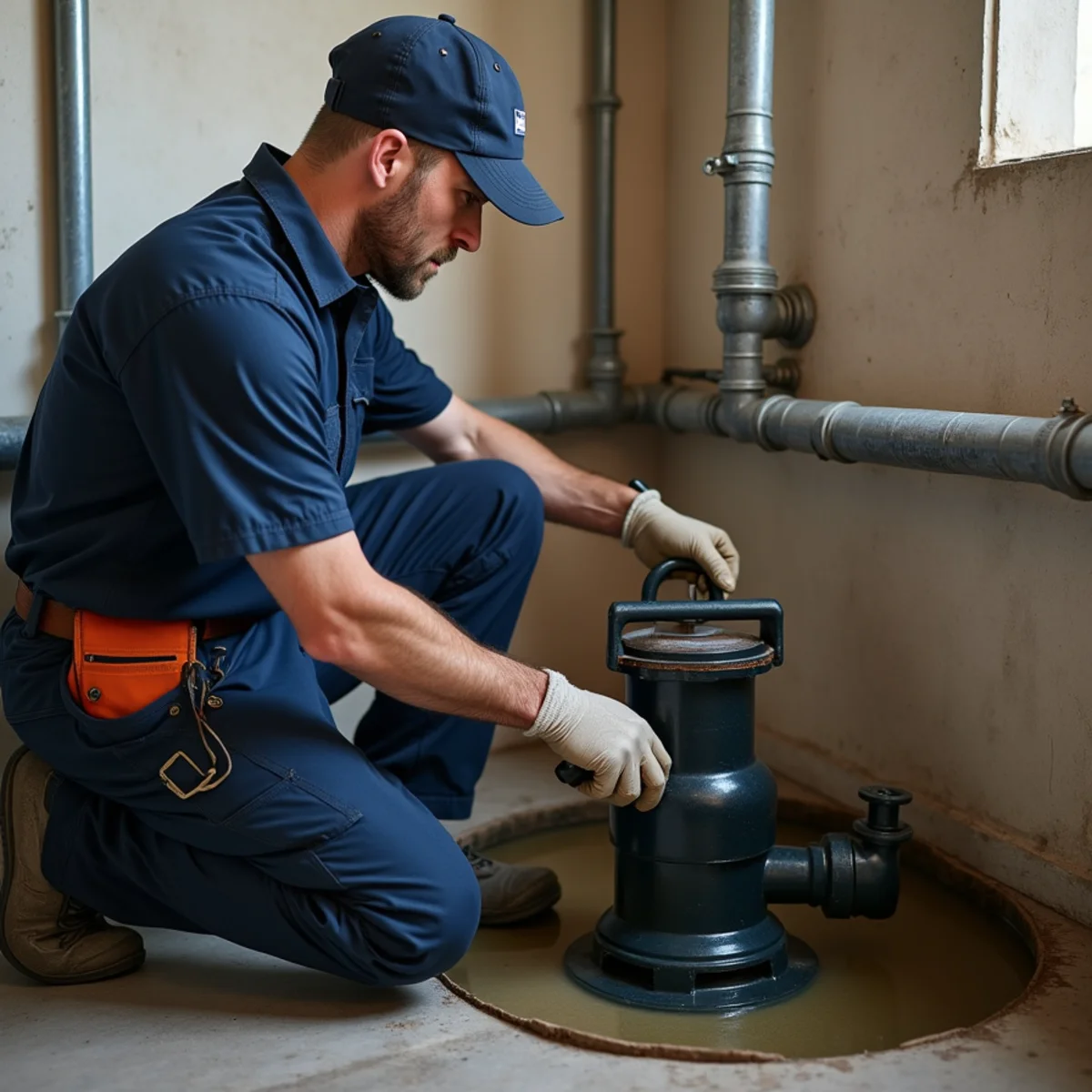
Symptoms and Warning Signs
- A pump that runs nonstop or clicks on and off in short bursts
- A sump pit filling up while the pump never kicks in
- Water pooling on a basement floor or across a crawlspace
- A musty, damp smell or standing moisture in a low space
- Grinding, rattling, or heavy vibration coming from the pump
- A pump that hums but does not move water
- A discharge line that backs up, freezes at the outlet, or dumps too close to the house
- A pump that has gone a long time without being tested
- No battery backup on a home that floods when the power goes out
- Rust, scale, or obvious age on a unit that has been in service for years
Common Causes
- A float switch that has stuck, hung up, or failed outright
- A pump motor worn out or burned up from age or overwork
- An impeller jammed or clogged with grit and debris
- An intake screen or discharge line clogged with sediment
- A pump undersized for the volume the pit actually collects
- A failed check valve letting discharged water run back into the pit
- A discharge line that is crushed, disconnected, or routed uphill
- A power outage during a storm with no battery backup in place
- Years of sitting untested with no maintenance
What to have ready when you contact us
Our Inspection & Diagnostic Process
- 1Assess the pit, the pump, the float, and the full discharge path
- 2Test the float switch and watch the pump cycle on and off
- 3Check the check valve, intake, and discharge for clogs or backflow
- 4Diagnose the fault or size a suitable replacement pump for the pit
- 5Repair or install the unit, clear the discharge line, and set the float
- 6Run it under simulated flow to confirm it is storm-ready
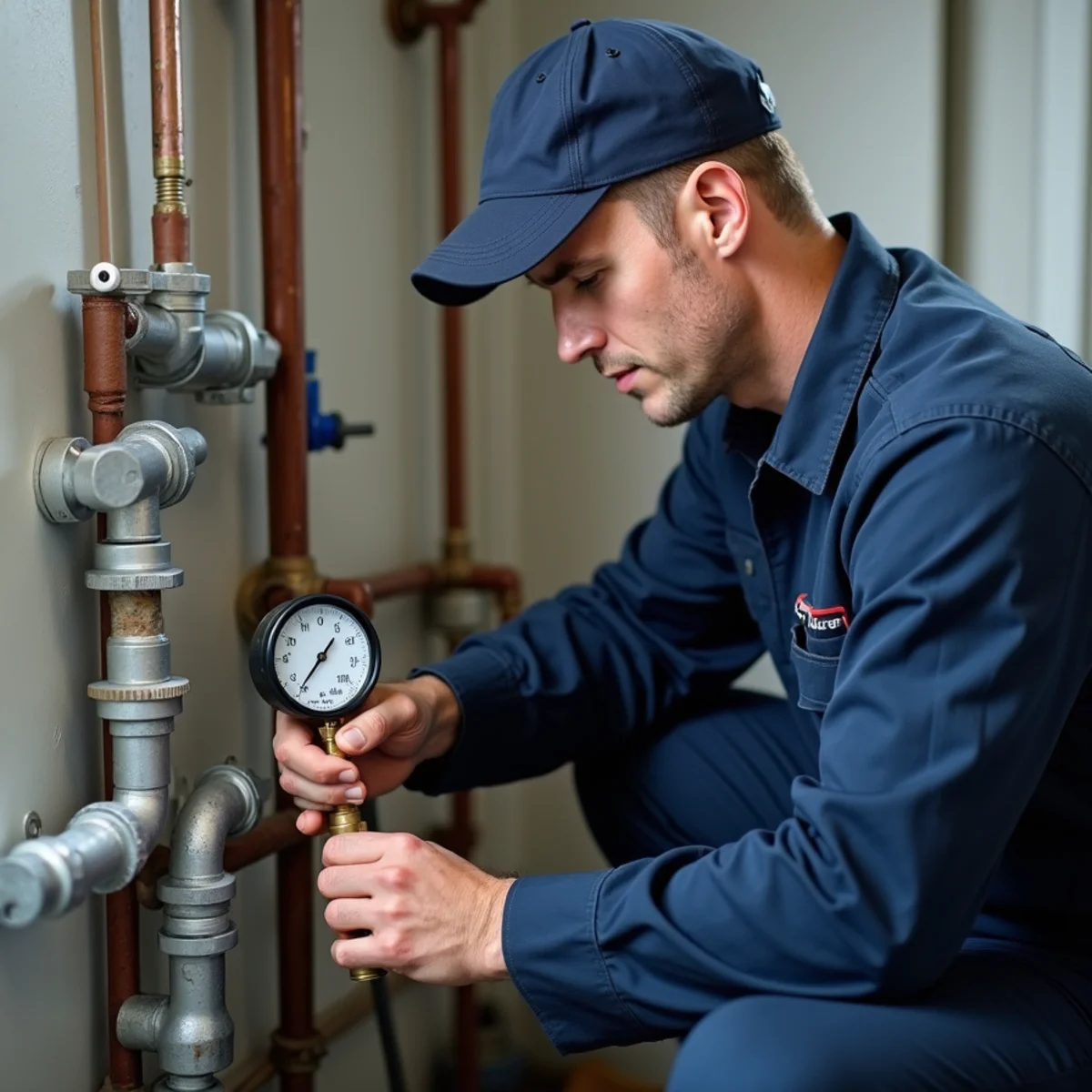
Related service
Backflow Prevention in Sacramento
Install, service, repair, and rebuilds of backflow prevention devices that protect drinking water from contamination, with the certified annual test coordinated.
Explore this servicePossible Repair & Service Approaches
- Installing and replacing submersible and pedestal sump pumps
- Adding battery backup pumps for power outages
- Repairing float switches and check valves
- Clearing and re-routing the discharge line away from the foundation
- Sizing the pump to the pit and the water it handles
- Adding high-water alarms and monitoring
- Testing and preventive service ahead of the rains
Residential
- Sump pump service for basements and crawlspaces
- Submersible and pedestal pump installation
- Battery backup installation for outage protection
- Repairing and replacing worn or failed pumps
- Fixing stuck float switches and failed check valves
- Testing the pump before the rainy season starts
Commercial
- Service for commercial sumps and pits
- Water-control pumps for facilities and equipment areas
- Backup pumps and alarms for critical low spaces
- Maintenance of discharge lines and systems
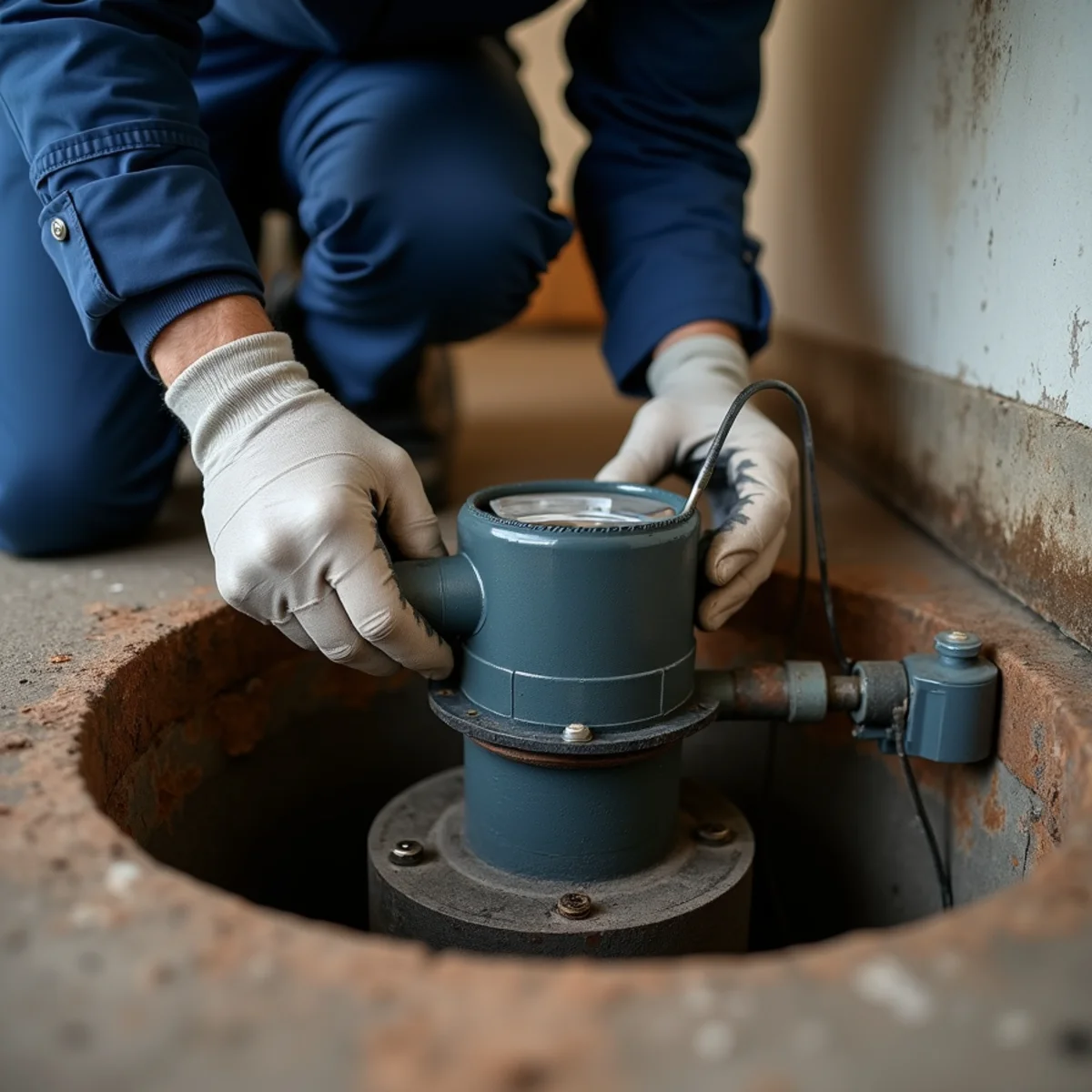
Why Professional Help Matters
A sump pump is a set-and-forget device that tends to fail silently, so testing and a correct installation are the whole point. A skilled technician checks the float, the check valve, the impeller, and the discharge path, and sizes the pump to the water it actually has to move rather than to whatever was there before. A professional can also advise whether a battery backup makes sense, since the storms that flood a home are exactly the ones that knock out power. That bit of preventive attention is what stands between a pump that runs on cue and a crawlspace under water during the season's first real storm.

Related service
Leak Detection in Sacramento
Pinpointing hidden water leaks behind walls, under floors, and beneath slabs with acoustic and thermal methods, before they turn into major damage.
Explore this serviceSump Pump Services in the Sacramento Area
Sacramento packs most of its yearly rain into a handful of winter months, so a sump pump can sit dormant through a long dry summer and then face sudden, sustained demand overnight. The valley's low, flat terrain and the seasonal rise of the water table mean groundwater can push up into a crawlspace even when it is not actively raining, and homes near the American and Sacramento river corridors feel this most. Older central-city homes often rely on tight crawlspaces rather than full basements, where a failed pump is easy to overlook until the moisture and musty smell give it away. A pump proven before the rains, ideally with a backup for the outages that come with winter storms, is far better than one found failed in the middle of them.
Why Choose Bridelyra Plumbers
- Problem-first diagnosis before recommending work
- Clear explanation of the options and next steps
- Respectful service in homes and businesses
- Solutions matched to your actual plumbing system
- Convenient phone and online contact
- 130 customer reviews
Frequently Asked Questions
Before the rainy season, then again periodically through it. A pump that sits idle for months can fail with no warning, so pouring a bucket of water into the pit to confirm the float lifts and the pump kicks on ahead of the storms is well worth it.
A stuck float, a failed check valve letting discharged water flow back into the pit, a discharge clog, or a genuinely high water table can each keep a pump running. We diagnose which one it is and correct it before the motor wears out.
The float switch may be stuck or dead, the motor may be burned out, the impeller may be jammed, or the intake may be clogged with debris. We test each in turn to pin down the cause rather than just swapping parts.
A submersible pump sits down in the pit, runs quietly, and handles frequent or heavy water well. A pedestal pump mounts above the pit, is easier to service, and suits lighter, occasional water. We match the type to how much water your pit sees and how the space is laid out.
If your home floods when the power fails, a backup is worth serious consideration, because the winter storms that overwhelm a pit are the same ones that cut power. A backup pump keeps water moving through an outage until utility power returns.
It comes down to how much water the pit collects during a heavy rain and how high the water has to be lifted to reach the discharge point. We size the pump to your conditions so it keeps up when the water table rises and the storms stack up.
Away from the foundation, so it does not simply drain back toward the pit. A discharge line that empties too close to the house recirculates the same water and overworks the pump, so correcting the routing is often part of the fix.
Many units run for years, but age, sediment, and how often the pump cycles all shorten that. Grinding noises, constant running, or a unit that predates your memory of it are all good reasons to have it checked before the next wet season.